
Two names dominate the conversation at trailheads, gravel events, and cycling forums in 2025: the Canyon Grizl and the Specialized Diverge 4. Both are arguably the best-selling adventure gravel bikes in their respective brand lineups, both received major updates in the past year, and both are vying for the same rider — someone who wants a capable, versatile drop-bar bike that can handle everything from long gravel epics to loaded bikepacking tours. But they take strikingly different approaches to the same problem. This comparison digs deep into every dimension that matters: geometry, ride feel, suspension technology, storage, pricing, and long-term ownership — and by the end, makes a clear recommendation.
Brand Philosophy and Context
Before comparing individual specs, it helps to understand the DNA of each brand. Canyon is a German direct-to-consumer manufacturer that has disrupted the cycling industry with aggressive pricing by cutting out the middlemen — no dealers, no showrooms, just a website and a shipping box. That model has made the Grizl one of the most ubiquitous gravel bikes in the world, spotted at events ranging from local weekend rides to ultra-endurance races. The trade-off is that you buy sight unseen, and after-sales support relies on Canyon’s own network.
Specialized, founded in California in 1974, is a traditional full-service brand with a global network of dealers, its own retail stores, and decades of high-profile sponsorships. When you buy a Diverge, you buy into an ecosystem with local support, demo opportunities, and a brand that has genuine racing pedigree. The Diverge itself was launched back in 2014 — making it one of the original purpose-built gravel bikes — and has been refined through several generations. The Diverge 4, unveiled at Unbound 2025, is the most evolved version yet. Canyon’s Grizl, meanwhile, completed its own full second-generation redesign in July 2025.
In short: Canyon wins on value and innovation-per-dollar; Specialized wins on brand trust, dealer access, and ecosystem depth. That framing matters because it colours every other comparison that follows.
The 2025 Models: What’s New?
Canyon Grizl (2nd Generation, July 2025)
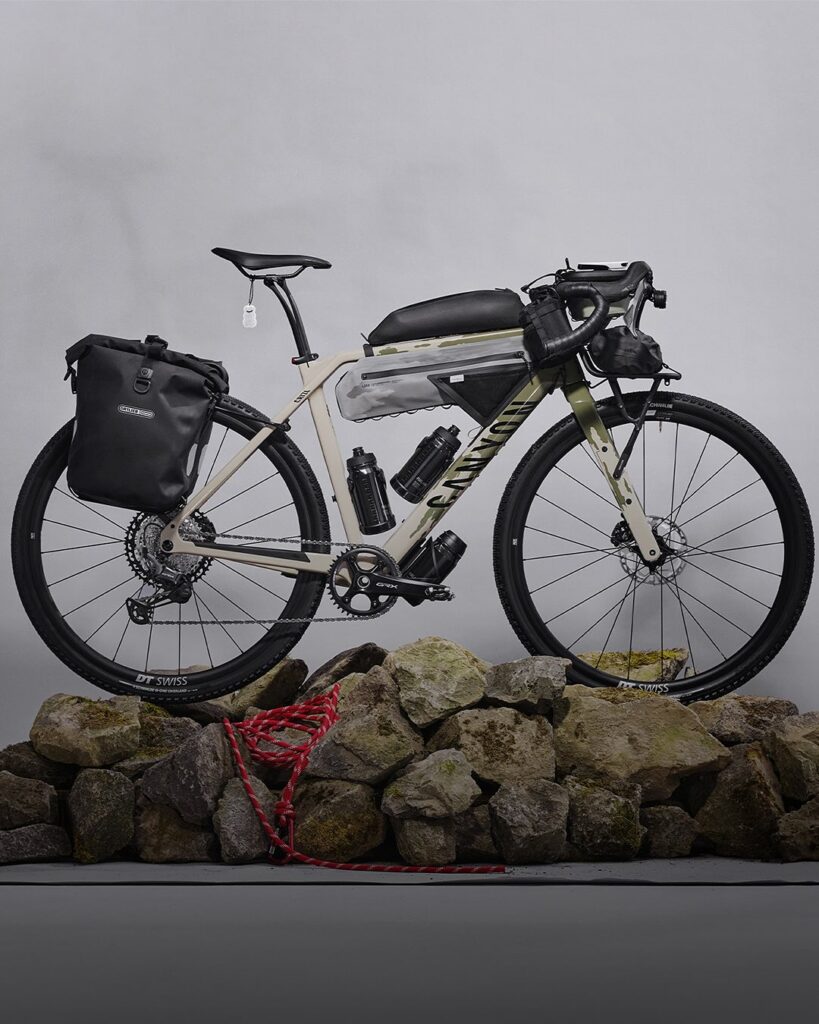
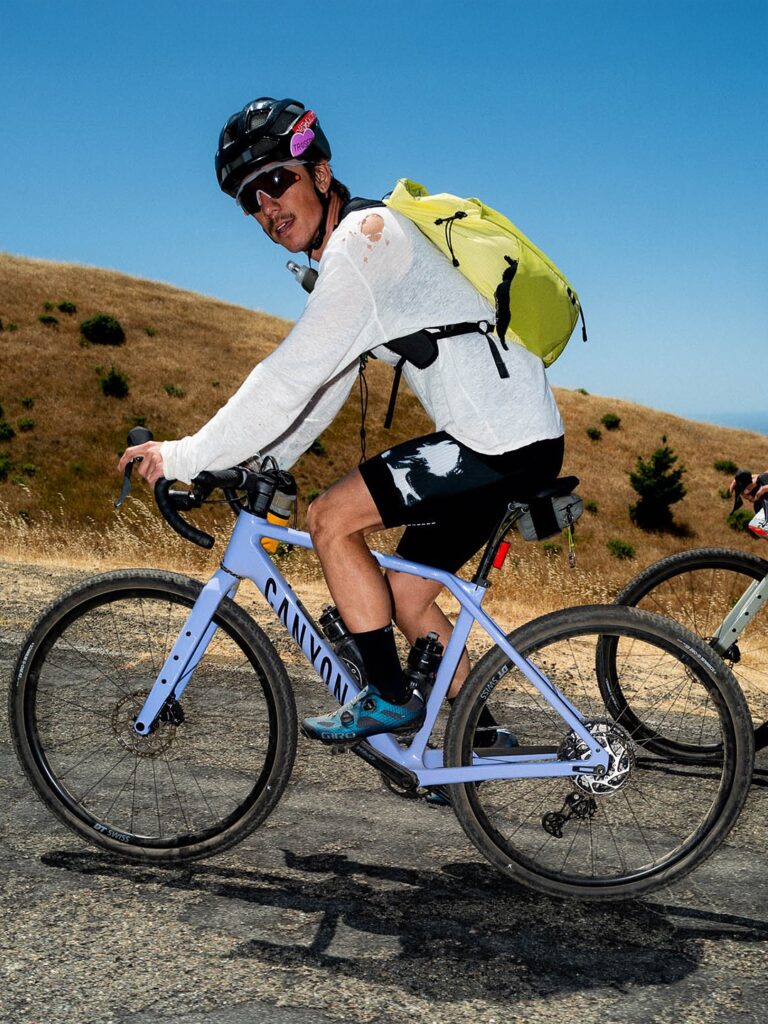
The new Grizl is a ground-up redesign. Canyon split the lineup into two clearly defined sub-models: the OG (Original Grizzler), which retains a more traditional gravel orientation, and the Escape, which doubles down on adventure and bikepacking. Key updates include a substantially revised geometry with a slackened 71-degree head tube angle, a 56 mm fork rake, and a wheelbase that grew by up to 39 mm compared to the first generation — making it one of the longest-wheelbase gravel bikes in its class. Tire clearance was bumped to 54 mm, and the carbon frame now features integrated downtube storage for the first time. The headline feature on Escape builds is ECLIPS: a fully integrated dynamo-powered lighting and charging system.
Specialized Diverge 4 (September 2025)
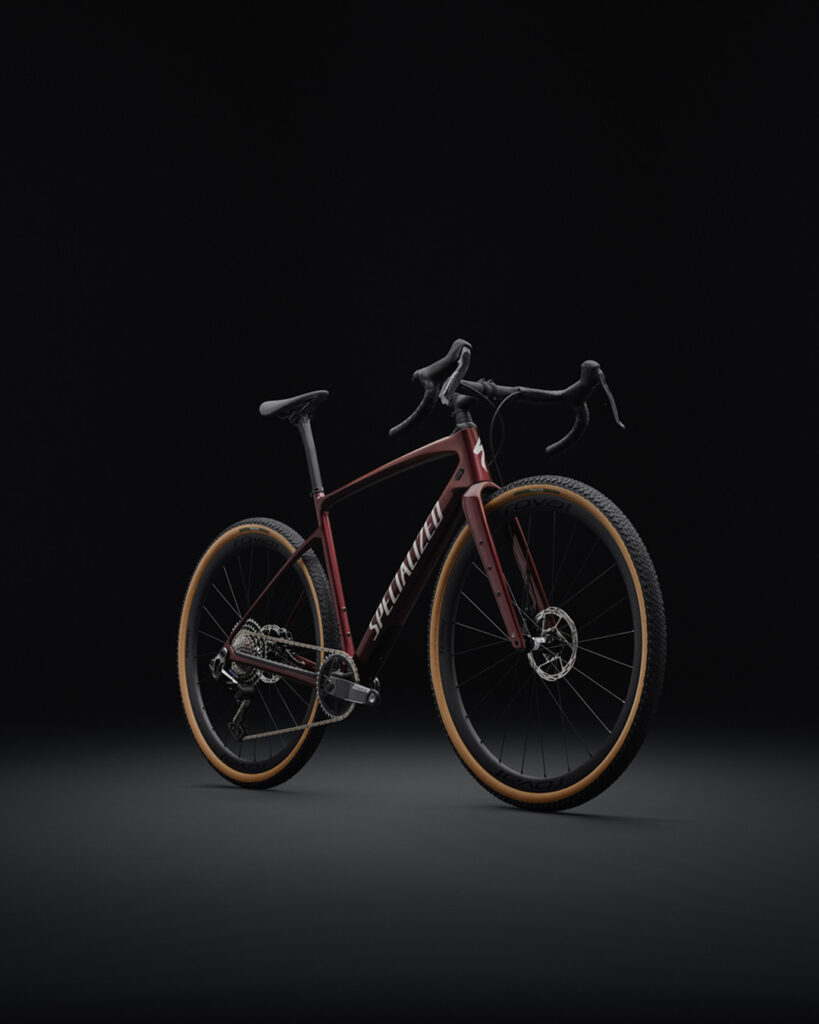
The Diverge 4 was named Velo’s 2025 Gravel Bike of the Year. The headline updates are a jump in tire clearance to 50 mm (or 2.2-inch MTB tires), updated geometry with a slacker head tube angle, longer reach, and a 5 mm drop in bottom bracket height for a planted, « in the bike » feel. The entire range is now equipped with Future Shock 3.0 — Specialized’s proprietary 20 mm of hydraulically damped handlebar suspension — including the aluminium entry models for the first time. SWAT 4.0 internal storage has also been expanded, and alloy frames now include integrated frame storage as well.
Head-to-Head Specs Comparison
Specs at comparable mid-range carbon builds (Grizl CF 7 vs. Diverge 4 Expert AXS)
| Category | Canyon Grizl | Specialized Diverge 4 |
|---|---|---|
| Frame Material | FACT 9r Carbon (CF models) | FACT 9r Carbon |
| Tire Clearance | 54 mm / 2.1″ MTB | 50 mm / 2.2″ MTB |
| Head Tube Angle | 71° | 71° (size 54 cm) |
| Wheelbase | ~1,069 mm (size M) | ~1,066 mm (size 54) |
| Chainstay Length | 440 mm (all sizes) | 430 mm |
| Front Suspension | RIFT DT Swiss fork (optional) | Future Shock 3.0 (standard) |
| Storage | Downtube glovebox + mounts | SWAT 4.0 downtube storage |
| Drivetrain | SRAM Rival AXS / Shimano GRX | SRAM Rival AXS |
| Mudguard Compat. | Canyon proprietary only | Standard mounts |
| Purchase Model | Direct-to-consumer | Dealer network |
| Entry Price (alloy) | ~$1,788 / €1,699 | ~$2,099 / €2,299 |
| Mid-range (carbon) | ~$2,999 / €2,799 | ~$5,999 / €5,249 |
Geometry and Ride Feel
Both bikes converged on a 71-degree head tube angle, which tells you the gravel world has settled on a consensus for stability-focused geometry. But the details reveal meaningful differences.
The Grizl runs a 56 mm fork rake, producing a trail figure of around 68 mm across all frame sizes. That’s slightly more trail than you’d find on a typical endurance road bike, and it translates to confident, predictable steering with a planted quality on descents — especially at speed on loose surfaces. Multiple testers noted that the new Grizl felt remarkably stable even when fully loaded with bikepacking bags, with the front center growing to 636 mm in the updated version.
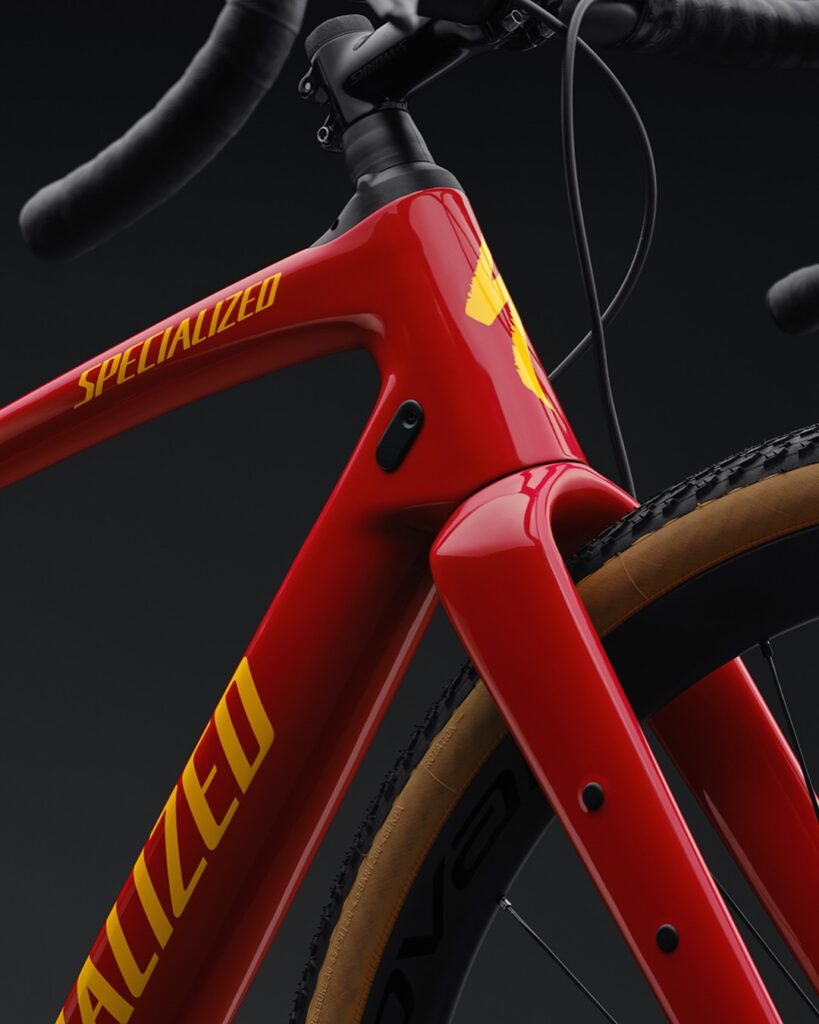
The Diverge 4 took inspiration from mountain bike geometry, pairing its 71-degree head angle with longer reach dimensions that scale with frame size — up to 15 mm more than the previous generation in the largest sizes. Specialized also dropped the bottom bracket by 5 mm and lengthened the chainstays by 5 mm, creating a low, wide stance. Reviewers consistently described the sensation of « riding in the bike rather than on top of it, » and the longer wheelbase makes it genuinely stable on technical descents.
Verdict — Geometry:
Both bikes offer modern, confidence-inspiring geometry. The Grizl’s longer wheelbase makes it the more adventure-ready platform; the Diverge’s geometry refinements make it feel exceptionally planted at speed. For riders who prioritize all-day comfort and exploration, the Grizl has a slight edge. For riders who want a bike that handles fast, rough terrain while still being usable for gravel racing, the Diverge feels better balanced.
Suspension and Comfort Technology
This is where the two bikes diverge most philosophically — and where the buying decision for many riders will be made.
Specialized Future Shock 3.0
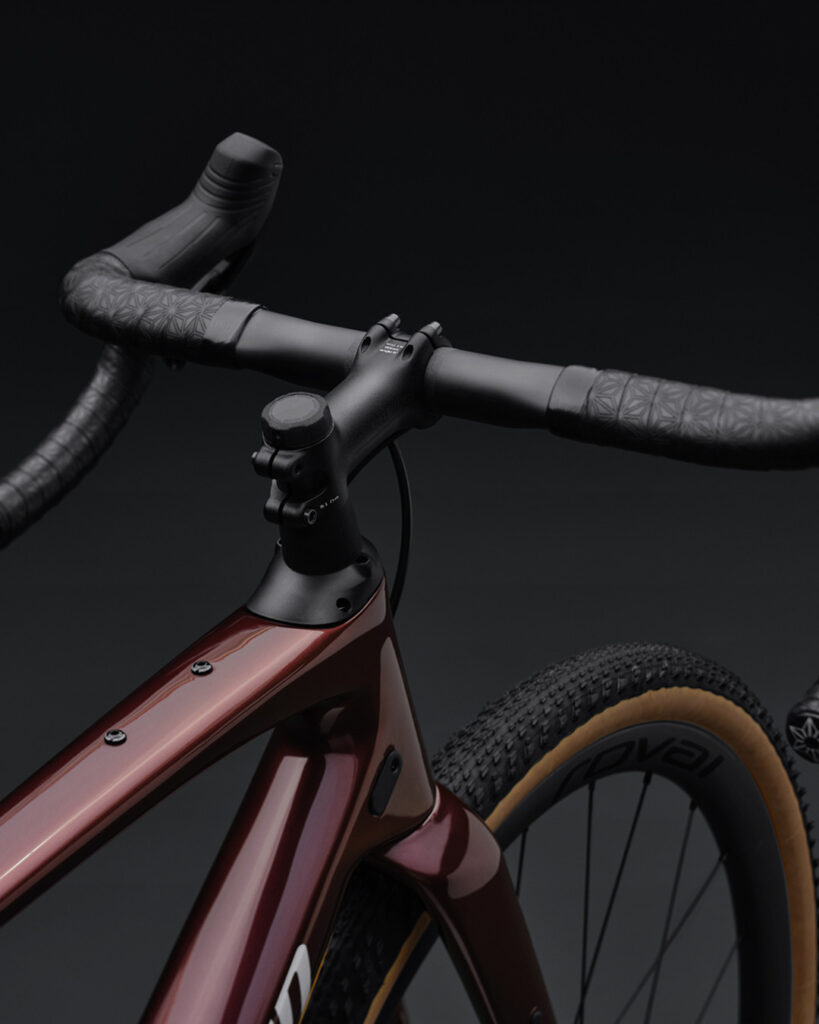
The Future Shock is Specialized’s signature gravel technology and is now standard across the entire Diverge 4 range, from alloy entry models upward. It sits inside the headset and provides 20 mm of hydraulically damped vertical travel for the rider’s hands. Specialized claims this reduces peak impacts by up to 53% and saves up to 11 watts on rough surfaces. The system is tunable through different spring weights on most models, and the top-end 3.3 version features an externally adjustable dial. On the bike, the result is a noticeably smooth front end that takes the sharp edge off chatter without the wallowing of a traditional suspension fork.
The trade-off is real: Future Shock adds height to the front end (the Diverge 4 sits 32 mm taller than the Crux at the headset), adds mechanical complexity, and is not optional. If you never wanted suspension in a gravel bike, the Diverge 4 isn’t your bike.
Canyon Grizl: VCLS Seatpost + Optional RIFT Fork
Canyon takes a modular approach. The Grizl’s primary compliance comes from the VCLS 2.0 carbon seatpost, which offers up to 20 mm of seat-tube flex to absorb trail feedback at the saddle. Select Escape builds are also available with Canyon’s RIFT suspension fork from DT Swiss, which provides full front-wheel suspension travel — a bigger commitment than Future Shock, but one that genuinely improves traction on loose terrain. OG builds without the fork are fully rigid, keeping weight and simplicity on the rider’s side.
Verdict — Suspension:
If you want handlebar compliance built-in, the Diverge 4’s Future Shock is a genuinely impressive system and is hard to beat as an out-of-the-box comfort solution. If you want to choose your own suspension philosophy — none at all, or a proper front fork — the Grizl gives you that modularity.
Storage and Bikepacking Credentials
Both bikes make a serious case as bikepacking platforms, but with different strengths.
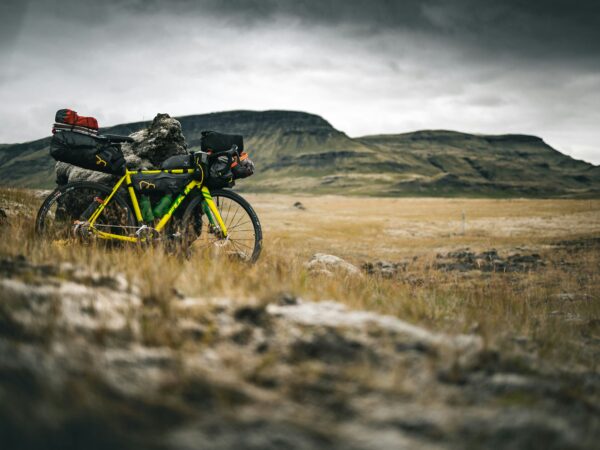
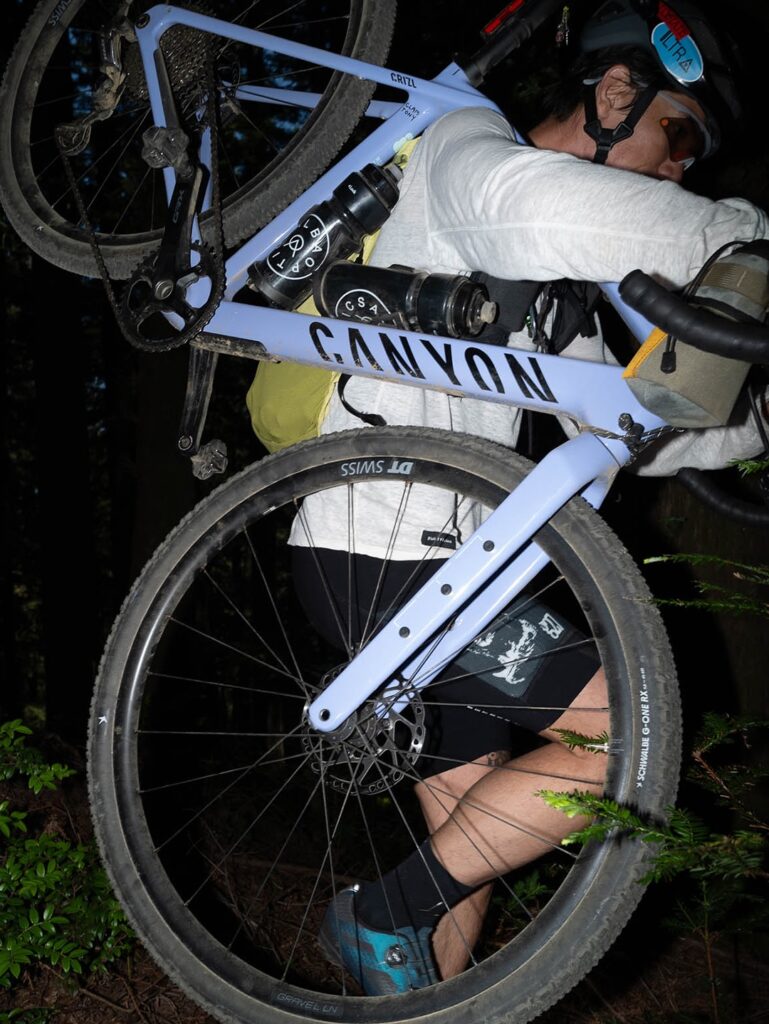
The Grizl was clearly designed with the loaded adventurer in mind. Its carbon frame features three bottle mounts inside the main triangle, three mounts on each fork leg, fender mounts, rack mounts, a top-tube bento mount, and a downtube glovebox. The Escape variant adds Canyon’s ECLIPS system — a SON 29 dynamo hub, a 1,000-lumen front light, a 45-lumen rear light, an integrated cockpit bag, and a powerbank charger that keeps your devices topped up as you ride. The Full Mounty handlebar provides additional hand positions and seamlessly integrates Canyon’s own cargo bags. This level of integration at a $4,699 all-in price is, frankly, remarkable.
The Diverge 4’s SWAT 4.0 storage canister inside the downtube is larger than its predecessor — reportedly big enough for a jacket plus a basic flat kit — and is now available on alloy frames. The frame also offers top-tube mounts, fork-leg cage mounts, and compatibility with racks and fenders. One meaningful advantage: the Diverge plays nicely with standard third-party mudguards, whereas Canyon restricts riders to its own proprietary design.
Verdict — Storage:
For fully committed bikepackers and long-distance adventurers, the Canyon Grizl Escape is essentially a ready-made expedition rig. It offers more total mounting points, deeper bag integration, and an innovative power system with no real equivalent on the Diverge.
Price and Value
This is arguably Canyon’s strongest card. The Grizl CF 7 — a carbon-framed bike with Shimano GRX 820 hydraulic brakes — retails for around $2,799/€2,599. The equivalent carbon Diverge 4 at a similar spec level — the Expert AXS — costs $5,999/€5,249. That’s more than double the price.
The comparison isn’t perfectly apples-to-apples: the Diverge Expert comes with wireless SRAM Rival AXS shifting and Roval wheels, both of which justify part of the premium. But the fundamental observation stands — Canyon’s direct-to-consumer model delivers extraordinary value per dollar. The Grizl Escape ECLIPS at $4,699 includes components that would cost well over $1,200 if purchased separately.
The Diverge justifies its premium through Future Shock, brand ecosystem, and dealer support. For riders who want local service, a fit consultation, and the ability to test ride before buying, that premium makes real sense.
Verdict — Price:
Canyon wins decisively on value per dollar at every price point in the lineup. Specialized justifies the premium through its ecosystem and Future Shock technology, but the gap is wide enough to matter for most buyers.
Who Should Buy Each Bike?
Choose the Canyon Grizl if you…
…prioritize adventure, bikepacking, and long-distance self-supported riding. If your gravel calendar is full of multi-day epics, loaded tours, and rougher terrain, the Grizl’s combination of 54 mm tire clearance, comprehensive mounting points, and optional ECLIPS system makes it the most complete adventure gravel package at its price. It’s also the right choice for riders who want to choose their own suspension philosophy — fully rigid, seatpost compliance only, or a proper front fork. And if budget matters — it almost always does — Canyon’s direct pricing is hard to argue with.
Choose the Specialized Diverge 4 if you…
…want a versatile all-rounder with suspension comfort built-in, and you value dealer support and brand ecosystem. If you’ve never been sure about buying a bike online, want to test ride before committing, and appreciate having a local shop handle service and fitting, Specialized’s retail network is genuinely valuable. The Future Shock 3.0 is a mature, proven system that makes a tangible difference on long rides over rough terrain, and the Diverge 4’s geometry refinements make it capable enough for both gravel racing and loaded touring.
Hill’s Verdict: Our Preference
If forced to choose one, this article sides with the Canyon Grizl — but with an important caveat.
The Grizl’s 2025 redesign represents a more radical and creative reimagining of what a gravel bike can be. The ECLIPS system is genuinely innovative in a way that goes beyond incremental improvement. The tire clearance advantage (54 mm vs. 50 mm) matters more as riders push into rougher terrain. The sheer range of mounting options, combined with competitive pricing and bold product thinking, make the Grizl feel like a bike designed by people who actually go on long adventures.
The Diverge 4 is an excellent bike. It is more polished, better supported, and Future Shock 3.0 is genuinely impressive technology. For many riders — especially those who are new to gravel, who want local support, or who love Future Shock — it will be the better real-world choice.
But the Grizl punches above its weight in a way that matters. At its mid-range carbon price point, it offers specs and features that the Diverge simply cannot match without spending significantly more. And for the growing segment of gravel riders pushing further off-road, further into the wilderness, and further from the nearest bike shop, the Grizl’s adventure credentials feel more authentic.
Frequently Asked Questions
Is the Canyon Grizl or Specialized Diverge better for bikepacking?
For dedicated bikepacking, the Canyon Grizl Escape has the edge, thanks to 54 mm tire clearance, more mounting points, and the optional ECLIPS integrated power system. However, the Diverge 4 is also a capable bikepacking platform with its SWAT storage and robust mounting options.
Which bike is better for tall riders?
Both brands offer a wide range of frame sizes. Canyon’s Grizl runs a taller stack than many gravel bikes by design — which suits upright, comfortable riding — while the Diverge 4’s Future Shock adds additional height to the front end. Tall riders should pay particular attention to reach on both bikes, as the Diverge 4 specifically increased reach across larger frame sizes in the 2025 update.
Can I test ride a Canyon Grizl before buying?
Canyon is direct-to-consumer only, so traditional test rides at dealers are not available. Canyon offers a 30-day return policy in most markets. Specialized Diverge models can be test ridden at any authorized Specialized dealer.
Is the Specialized Diverge 4 worth the premium over the Grizl?
At equivalent spec levels, the Diverge 4 costs significantly more. The premium is justified by Future Shock 3.0 suspension, dealer support, and Specialized’s broader ecosystem. If those features matter to you, yes — it is worth it. If your priority is maximum performance per dollar, the Grizl is the stronger argument.