This article is a synthesis of publicly available technical documentation, specialist outdoor press, and verified consumer feedback. hill.camp does not conduct first-hand product testing.
There is a name that appears on the inside label of some of the most respected outdoor garments ever made. Not the brand that designed the jacket, not the athlete who tested it. A fabric name. And unless you are already deep into the world of technical outerwear, you have probably walked past it without stopping. That name is Pertex.
Pertex does not sell directly to consumers. It does not run Instagram campaigns or sign ambassadors. What it does is supply the technical fabric that sits between you and the mountain — the shell of your down jacket, the outer face of your sleeping bag, the barrier layer of your hardshell. It operates at the ingredient level, and at that level, it has been shaping the outdoor industry for over forty years.
A Lancashire Origin, a Japanese Present
Pertex was founded in 1979 in the Lancashire region of England, by Hamish Hamilton, emerging from a tradition of technical textile manufacturing with a single ambition: develop fabrics capable of meeting the real demands of mountain environments. Lightweight, packable, breathable, durable — properties that were genuinely difficult to reconcile in a single material at the time.
The brand is today headquartered in Japan. That relocation brought Pertex into contact with the tooling, the engineering expertise, and the manufacturing culture needed to keep pushing the limits of what a technical fabric can do. The founding values — function first, no compromise on performance — survived the transition entirely intact. Four principles define the brand to this day: progress, partnerships, perseverance, and planet.
What Pertex Actually Makes
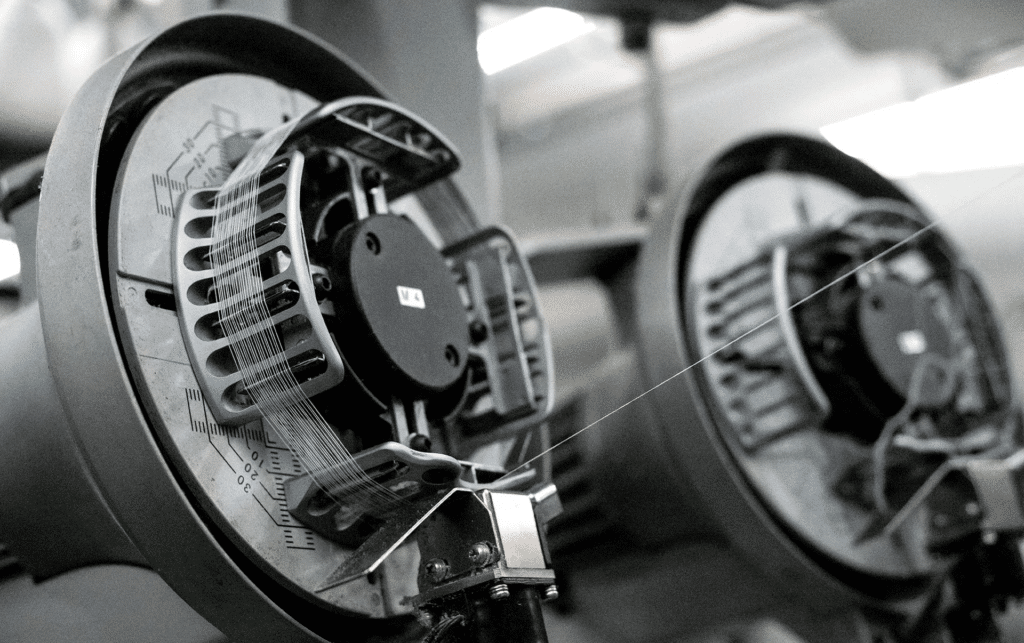
Pertex does not sell a single fabric. It sells a family of fabrics, each engineered for a specific function and performance context. The common thread is an obsessive focus on the relationship between weight, packability, and protection. Pertex fabrics are built around ultra-fine filament yarns woven at extremely high thread counts, creating surfaces that are simultaneously lightweight and tightly constructed enough to resist wind and moisture — without relying solely on heavy chemical treatments. Here is how each line breaks down.
Pertex Quantum
The flagship of the insulation range. Pertex Quantum is a soft, light, windproof fabric built specifically to work with down or synthetic insulation rather than against it. Its construction encourages loft — the material allows the fill to expand fully, trapping more warm air per gram of insulation. The result is a shell layer that contributes to warmth without adding bulk or weight. It is highly packable and compresses to a fraction of its deployed volume, which is why it has become the dominant outer shell fabric for lightweight down jackets and sleeping bags across the industry.
Pertex Quantum Air
An evolution of Quantum designed for high-output activity. Where standard Quantum prioritises wind resistance, Quantum Air uses a more open weave structure that increases air permeability significantly. The trade-off is deliberate: slightly less windproofing in exchange for considerably more breathability. For alpine runners, ski tourers, and fast-and-light alpinists who generate substantial heat output, the improved moisture vapour transfer matters more than absolute wind protection. It remains downproof and extremely lightweight.
Pertex Quantum Pro
The most robust of the Quantum family. Quantum Pro adds water resistance and a higher abrasion resistance rating to the core Quantum properties, making it suitable for mixed-conditions mountain use where the insulation layer may be exposed to light precipitation or contact with rock and rough surfaces. It is compact and breathable but built to withstand more demanding terrain than the standard Quantum.
Pertex Shield
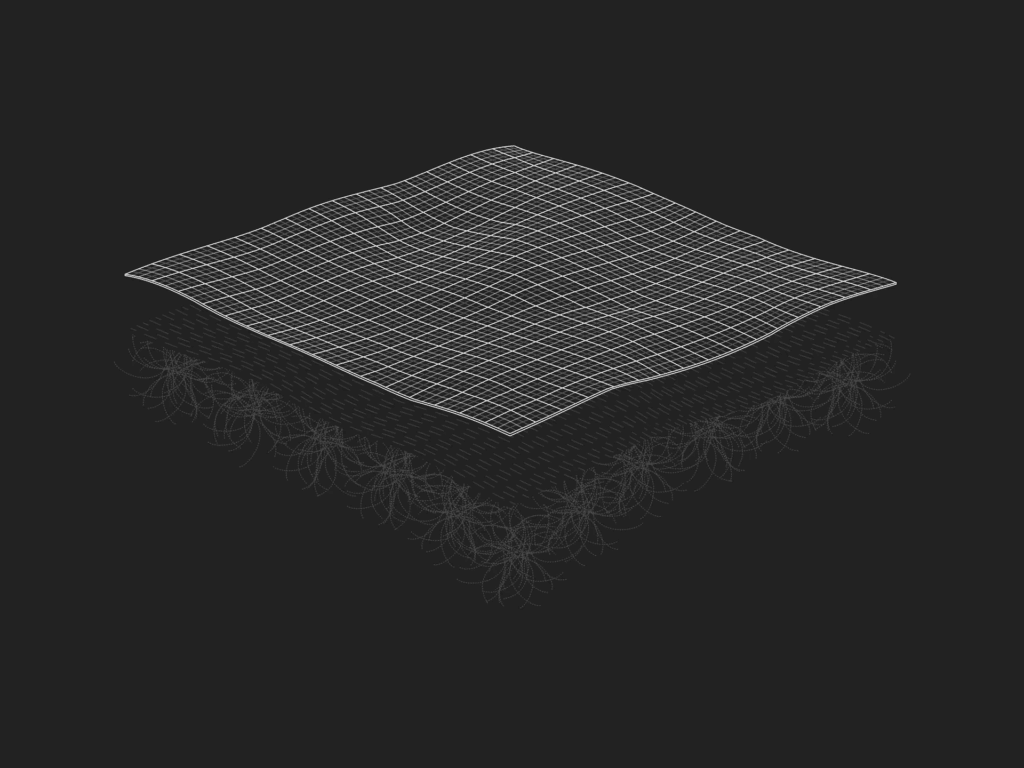
The Pertex answer to waterproof-breathable shell fabric. Shield is a laminated construction — a face fabric bonded to a waterproof, breathable membrane — available in 2-layer, 2.5-layer, and 3-layer configurations. Each step up in construction adds durability, structure, and resistance at the cost of additional weight. Shield 2.5L is the packable, versatile option. Shield 3L is the serious mountain tool, built for intensive use in variable alpine conditions. All variants are treated with a DWR finish that causes water to bead and run off the surface rather than soaking in.
Pertex Shield Air
The most technically ambitious waterproof fabric in the Pertex range. Shield Air incorporates a nanofibre membrane that is both waterproof and air-permeable — a combination that was considered essentially incompatible for most of the industry’s history. The result is an extremely breathable waterproof shell that excels during sustained aerobic effort, where conventional membranes tend to accumulate moisture on the inside as condensation. It is the logical choice for trail runners and ski tourers who need genuine storm protection without overheating.
Pertex Equilibrium
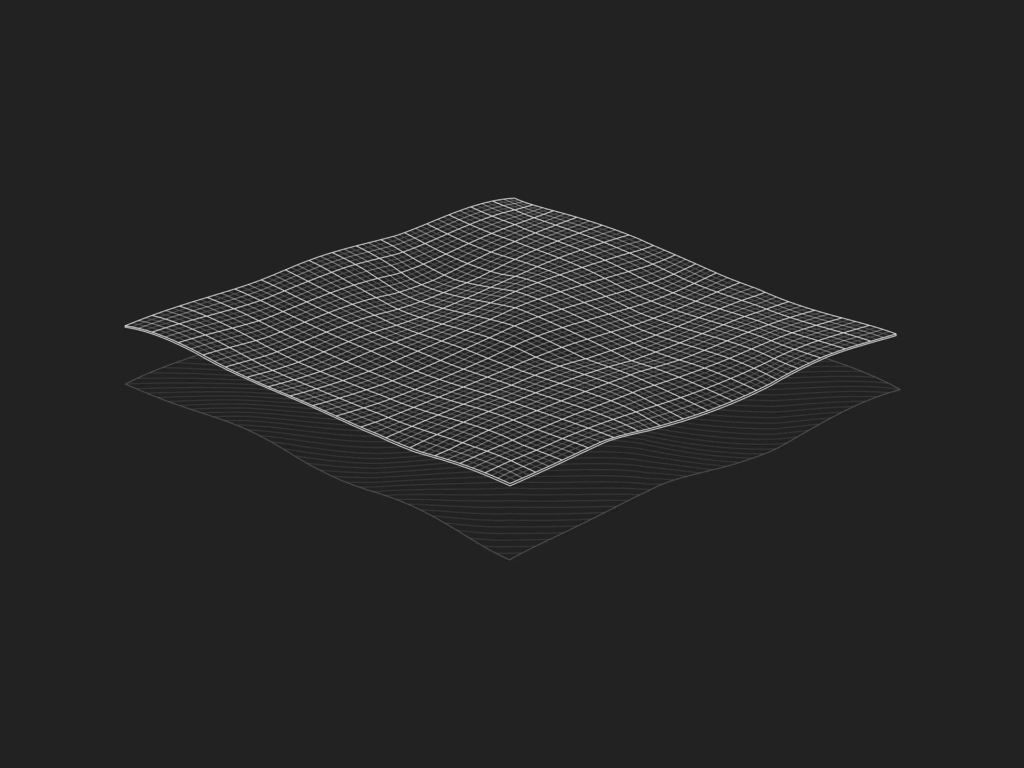
A wind-resistant, moisture-regulating fabric that was developed in collaboration with Rab in 1990. Equilibrium is not waterproof — it is designed for softshell applications where the priority is breathability and comfort under sustained effort, with enough wind resistance to retain warmth and enough moisture management to prevent clammy buildup. It dries quickly and functions as a balance point between protection and freedom of movement.
Structural Technologies: Diamond Fuse, Y Fuse, Revolve, Netplus
Beyond the core fabric lines, Pertex develops structural technologies that can be applied across the range. Diamond Fuse uses diamond-shaped filament cross-sections that interlock without stitching, creating an inherently water-repellent, highly abrasion-resistant surface. Y Fuse applies a similar principle with Y-shaped filaments for added softness. Revolve is a mono-polymer construction that makes end-of-life fabric recycling significantly easier than conventional multi-layer laminates. Netplus incorporates recycled fishing nets recovered from the ocean into the fabric blend. These are not marketing footnotes — they represent genuine engineering choices that affect how the material performs and how it can be recovered at end of use.
Pertex vs GORE-TEX: Understanding the Difference
The comparison between Pertex and GORE-TEX comes up constantly in gear conversations, and it is worth addressing directly — not because one is universally better, but because they are solving different problems. GORE-TEX, developed from expanded polytetrafluoroethylene (ePTFE) and commercialised from 1976, built its reputation on the hardshell waterproof-breathable membrane. Its PRO and PACLITE variants remain the benchmark for durable, heavy-use storm protection. Burton, for example, uses GORE-TEX PRO in its [ak] collection hardshells and Pertex Quantum in its insulated layers — a clear illustration of how the two technologies occupy different functional positions in the same product range rather than competing head-to-head.
Pertex’s strength lies in its breadth across the weight-to-performance spectrum, particularly in the insulation and lightweight categories where GORE-TEX does not traditionally operate. When the task is building the lightest possible down jacket that still manages wind and moisture effectively, Pertex Quantum has no serious equivalent from GORE. When the task is surviving a multi-day alpine storm with maximum protection and durability, GORE-TEX PRO 3L is the reference. Understanding the difference is the key to choosing correctly — and to understanding why the best brands use both.
The Brands That Use Pertex
The list of brands that have built products around Pertex fabrics is a reliable index of the outdoor industry’s most technically demanding players. Rab has the longest relationship — a partnership that dates to the early 1980s, when the founder of Rab played a direct role in developing the first Pertex Microlight fabric. That collaboration produced the first sub-45g/m² downproof microfibre fabric ever commercialised, which defined the modern lightweight down jacket category. Rab remains the closest Pertex partner in the shell and sleeping bag space.
Beyond Rab, Pertex fabrics appear in collections from Outdoor Research — whose SkyChaser jacket uses Pertex Shield for lightweight alpine protection — and Yamatomichi, the Japanese ultralight hiking brand whose entire design philosophy is built around minimising weight without sacrificing function. Burton uses Pertex Quantum in its insulated snowboard jackets and mid-layers, specifically for the packability and loft-enhancing properties the fabric provides. Mountain Hardwear, Arc’teryx (on select technical pieces), and several specialist expedition brands have used Pertex across different product generations.
The connecting thread is not geography or price point — it is a commitment to performance engineering over marketing weight. Brands that choose Pertex are typically making deliberate fabric decisions for specific technical reasons, not simply licensing a recognisable name.
Where Pertex Belongs in Your Kit
Context matters more than specification when choosing Pertex-equipped gear. For insulation layers — down jackets, synthetic mid-layers, sleeping bags — Pertex Quantum and Quantum Air are the fabrics to look for. They allow the insulation to do its job without interference, while keeping the system as light and packable as possible. For a fast-and-light trail running or ski touring setup where you need a real waterproof layer that breathes aggressively, Pertex Shield Air justifies its existence. For general mountain use across mixed conditions with variable intensity, Shield 3L provides the durability and protection that sustained alpine use demands.
The Equilibrium fabric, meanwhile, is the correct answer for softshell use — activities where you are generating consistent heat and cannot afford a membrane that traps moisture, but still need enough wind resistance to stay warm at the belay or the top of a long climb.
Pertex gear covers terrain that ranges from trail running and ski touring to backpacking and bivouac. Whatever the discipline, the fabric choice should follow the activity’s demands — not the other way around.
Forty Years of Not Seeking Attention
Pertex’s anonymity to the general consumer is, paradoxically, a measure of its success. Ingredient brands earn their reputation not through their own marketing but through the performance of the products that carry them. When a Rab Phantom Mountain Jacket survives a multi-day winter alpine route, or a lightweight Yamatomichi pack quilt gets a thru-hiker through a cold front without a tent, Pertex is doing its job — invisibly, correctly, and without requiring acknowledgement.
That is what forty-five years of progressive textile engineering looks like from the inside of a well-designed jacket. You do not notice the fabric. You notice that you are dry, or warm, or moving freely when you should be. That is the point.
For the full current range of Pertex fabrics and technologies, the most complete technical reference is pertex.com.