In an industry where most brands measure their history in decades, Deuter counts its age in centuries. Founded in 1898 in Augsburg, Bavaria — originally to supply the Bavarian Royal Mail with mailbags — the brand has been making things to carry since before the first modern rucksack existed. That longevity is not nostalgia. It is engineering capital. One hundred and twenty-five years of testing, failing, iterating, and refining produces a kind of product knowledge that newer brands cannot fake or shortcut.
Europe’s largest backpack manufacturer. That is how Deuter describes itself, and it is not a stretch. The brand is present in 45 countries, has been the main outfitter for major German mountaineering expeditions for much of the 20th century, and holds a list of world firsts in pack design that most competitors can only reference as influences. Understanding Deuter is, in many ways, understanding the history of the backpack itself.
From Mailbags to Nanga Parbat: A Brief History
Hans Deuter founded the company in Augsburg in 1898. The early business was strictly functional: canvas and linen goods for postal and military use. The pivot toward mountain sports began in the 1930s with the Tauern backpack — a pack that would go on to accompany Hermann Buhl on his legendary solo ascent of Nanga Parbat in 1953, the first ascent of the ninth-highest peak in the world. The Tauern remained in the Deuter lineup for almost thirty years. It still appears in the catalog today as a heritage model.
Andi Heckmair — one of the climbers who made the first ascent of the Eiger North Face in 1938 — was equipped with Deuter gear. The brand’s connection to the defining moments of European alpinism is not just marketing copy. It is a matter of historical record, one that explains why Deuter sits in a different category of credibility than brands that have acquired their outdoor credentials more recently.
In 1968, Deuter produced the first range of modern nylon backpacks — establishing a material standard that the entire industry would follow. In 1984, the brand patented the Aircomfort back system: a mesh panel suspended away from the wearer’s back, creating a ventilated channel that prevents the heat buildup that makes conventional packs so uncomfortable on warm days. It was a genuine innovation, and it arrived decades before the concept became ubiquitous.
Deuter is headquartered in Gersthofen, Bavaria. It remains independent — no acquisition by a consumer goods conglomerate, no venture capital, no public market pressure. That independence is reflected in a product philosophy that prioritizes the long view over quarterly performance metrics.
The Deuter Back Systems: An Engineering Lineage
If you want to understand Deuter, start with the back systems. This is where the brand’s engineering investment is most visible, most differentiated, and most practically significant for the hiker actually wearing the pack.
The Aircomfort system — the original 1984 innovation — remains the foundation of Deuter’s ventilated line. The tensioned mesh panel creates genuine airflow, and the geometry of the frame channels ensures weight still transfers effectively to the hipbelt despite the distance between the pack body and the wearer’s back. It is the same principle that Osprey’s AirSpeed system uses. Deuter was there first.
The Aircontact system, celebrating its thirtieth anniversary, answers a different need: maximum load transfer and close contact with the back for heavy loads where ventilation matters less than stability. Aircontact packs distribute weight with anatomical precision, using a flexible X-frame and padded channels to keep heavy loads close to the body’s center of gravity. For multi-week expeditions where the pack weighs 20 kilograms or more, this is the system that matters.
The VariQuick adjustment system allows rapid, tool-free back length changes — useful for shared packs, for younger hikers who are still growing, and for the practical reality that torso length and pack size are not always figured out in the shop. The SL Fit system, introduced in 2006 with input from elite alpine athlete Gerlinde Kaltenbrunner and a team of female designers, offers shortened torso lengths, sculpted shoulder straps, and women-specific hipbelt geometry. It is among the best women’s-specific fitting systems in the industry.
World Firsts That Changed the Industry
Deuter has a habit of inventing things that everyone else then copies. The list is long enough to be worth naming explicitly. The first fully ventilated mesh back system (Aircomfort, 1984). The first bike-specific backpack, developed with Trans-Alp pioneer Andi Heckmair in 1990. The first TÜV-certified child carrier — bringing independent safety testing standards to a product category that had previously operated without them. The first TÜV-certified back protector built into a bike backpack.
That pattern — first to a meaningful innovation, then to submit it for independent verification — says something about the brand’s culture. Deuter does not just claim performance. It gets it certified. That is German engineering discipline applied to a category where most brands operate on feel and reputation.
The Packs That Define the Brand
Deuter’s catalog is organized by activity with a clarity that makes selection easier than most competitors offer. A few lines deserve particular attention.
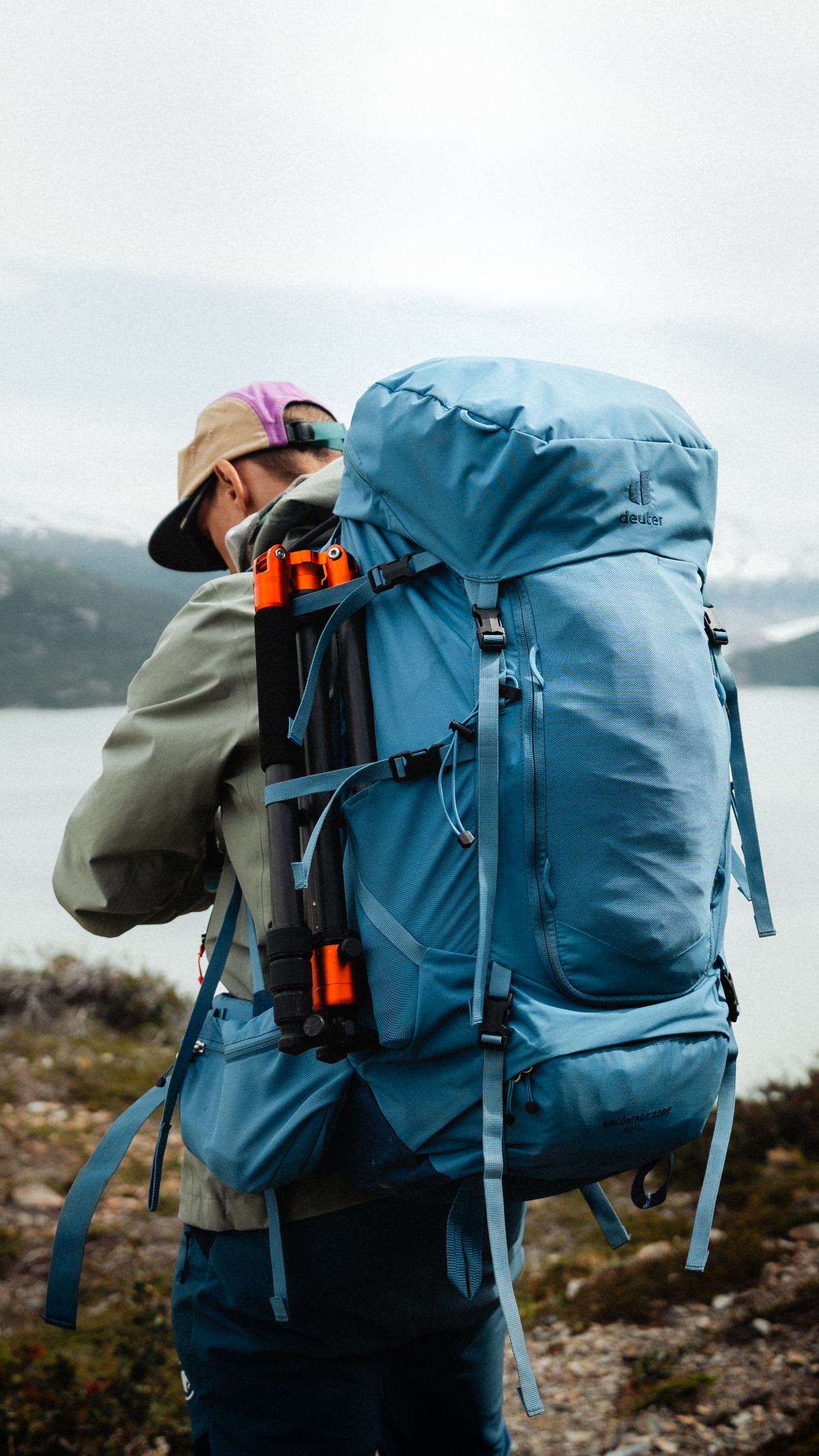
The Aircontact Core series represents the flagship for serious trekking: available from 45 to 75 litres, with Deuter’s most capable load transfer system, multiple back length options for both men’s and women’s fits, and the kind of multi-day organization that makes long itineraries manageable. These are packs built for trips where the weight is real and the terrain is demanding.
The Futura series — launched in 1999 with the trampoline-style tensioned mesh that would define Aircomfort across generations — remains Deuter’s best-selling hiking range. The Futura 32, Futura Pro 40, and their SL counterparts cover the sweet spot of day hiking and multi-day trips where ventilation and comfort matter more than pure load capacity. Deuter owners have reported Futura packs lasting over fifteen years of regular use without seam failure. That is not marketing. It is what German durability standards actually produce in practice.
The Trail series covers lighter day hiking and offers some of Deuter’s most accessible price points without sacrificing the back system quality that makes the brand distinctive. And the Guide line — developed with the Association of German Mountain and Ski Guides in 1998 — remains a reference for alpine terrain: roll-top access, ice axe holders, crampon attachment, and a back geometry designed for technical movement.
Sustainability: Long Products, Responsible Materials
Deuter signed on to the bluesign® system early — committing to the world’s strictest standard for environmental protection and chemical safety in textile manufacturing. The brand is a founding member of the European Outdoor Conservation Association and has been a vocal advocate for responsible material sourcing across the industry.
More practically: Deuter runs a repair service that fixed nearly 5,000 backpacks in a recent year. The design philosophy explicitly requires that products be easy for seamstresses to repair. This is embedded in the development process, not added as an afterthought. The brand’s long-running partnership with its Vietnamese manufacturer Vina Duke — more than 30 years — won the German Sustainability Award for Global Corporate Partnerships in 2021. A thirty-year supply chain relationship is the opposite of race-to-the-bottom procurement.
For the 125th anniversary in 2023, Deuter launched a special collection made entirely from 100% recycled and bluesign® certified fabric. It included packs across hiking, biking, and lifestyle categories — a rare acknowledgment that sustainability cannot be limited to the highest-margin product lines.
Strengths and Limitations: An Honest Assessment
Deuter’s strengths are specific and consistent: back system engineering, durability, fit variety (including EL models for tall torsos introduced in 2009), and genuine long-term value. A Deuter Futura bought in 2005 is likely still on someone’s back today. That lifespan changes the value calculation dramatically when compared to cheaper packs that need replacing every three or four seasons.
The limitations are also specific. Deuter’s design aesthetic is conservative — functional over fashionable, Bavarian engineering over Italian flair. If you want a pack that attracts admiring glances at the trailhead, Deuter is probably not your answer. The color palette is restrained. The lines are clean but not expressive. This matters less on the trail than it might in an urban context, where lifestyle credentials are part of what a bag is expected to communicate.
Weight is another honest point. Deuter’s load-bearing systems add grams — because proper frame systems and quality materials weigh something. The Aircontact series is not for ultralight purists. For hikers who want the lightest possible pack at the expense of suspension quality, there are lighter options on the market. Deuter’s answer is that those grams buy you something real.
A Brand for the Long Haul
Deuter sits alongside brands like Fjällräven and Black Diamond in a category of outdoor companies that have earned their reputation through consistency over decades rather than marketing campaigns over quarters. It is not the most exciting brand in outdoor gear. It is one of the most reliable, and in the mountains, those qualities are not competing values — they are the same value.
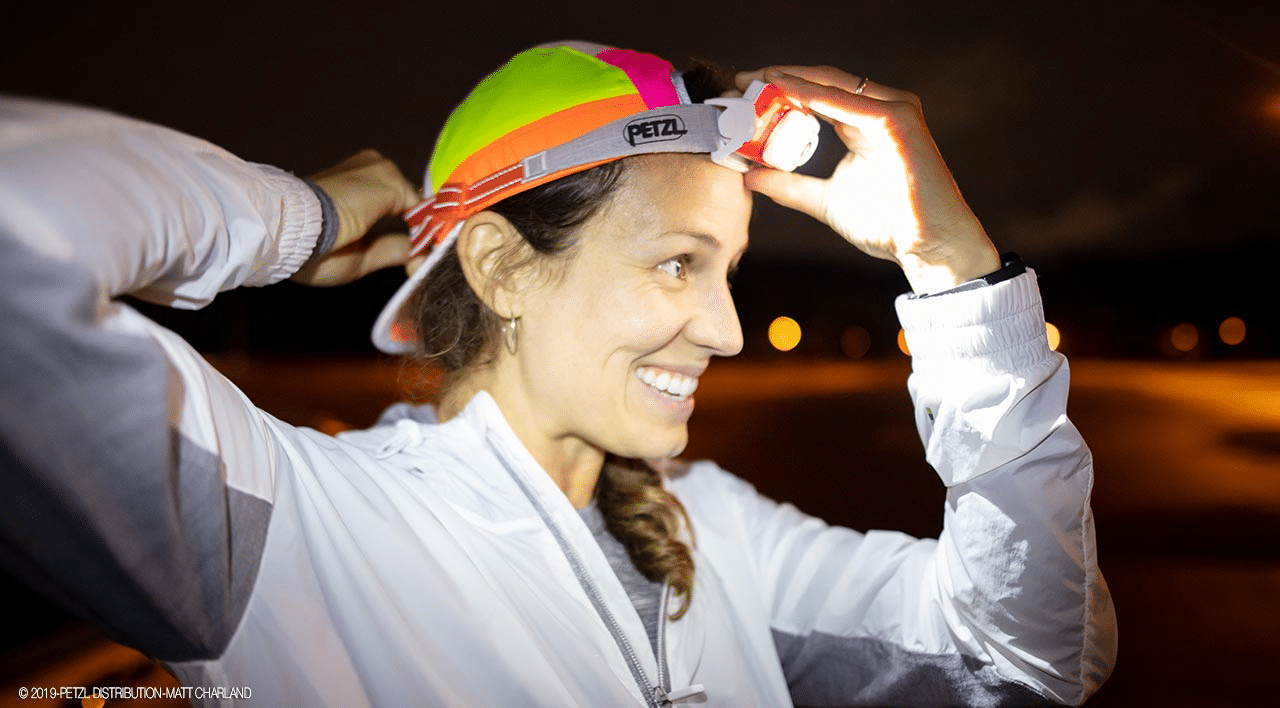
For lighting on the trail, Deuter packs pair naturally with Petzl headlamps — both brands share the same commitment to performance over trend. For cooking in the backcountry, MSR and Jetboil remain the natural companions. And if you are choosing between Deuter and Osprey, the honest answer is that both are excellent, and the right choice depends on fit geometry, ventilation preference, and how much you care about brand independence.
One hundred and twenty-five years. Independent. Bavarian. Still repairing packs that are decades old. In outdoor gear, that is not a legacy. That is a standard.