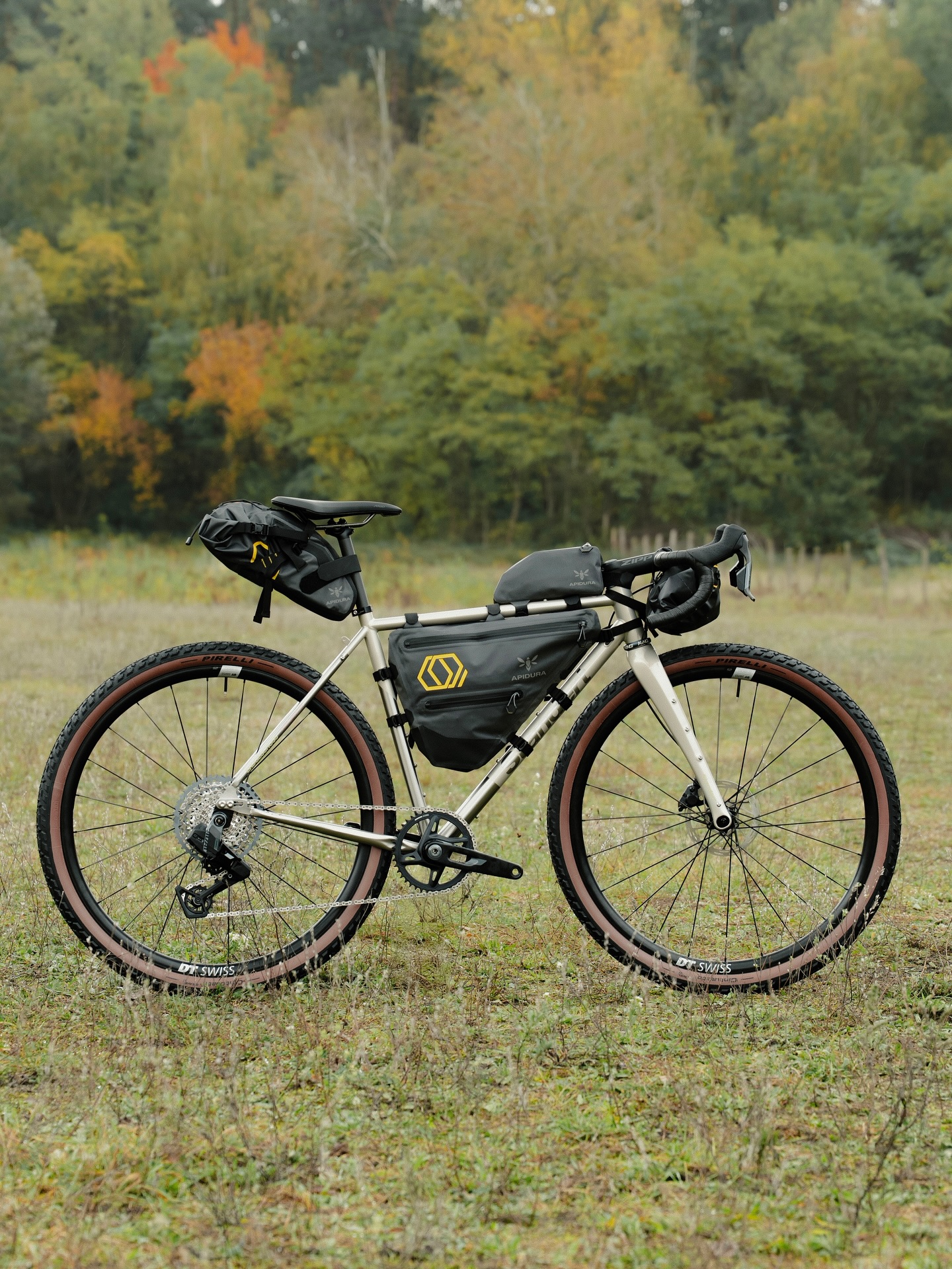
To ride a bicycle, you technically only need two things: a human body and a bike within reach. Everything else is optional.
That said, when it comes to bikepacking, choosing the right clothing and accessories can make the difference between a memorable adventure and a long struggle.
From comfort and safety to weather protection and versatility, your gear plays a central role once the days stretch out and the kilometers accumulate. This guide is here to help you make informed choices — without overpacking, overspending, or overthinking.
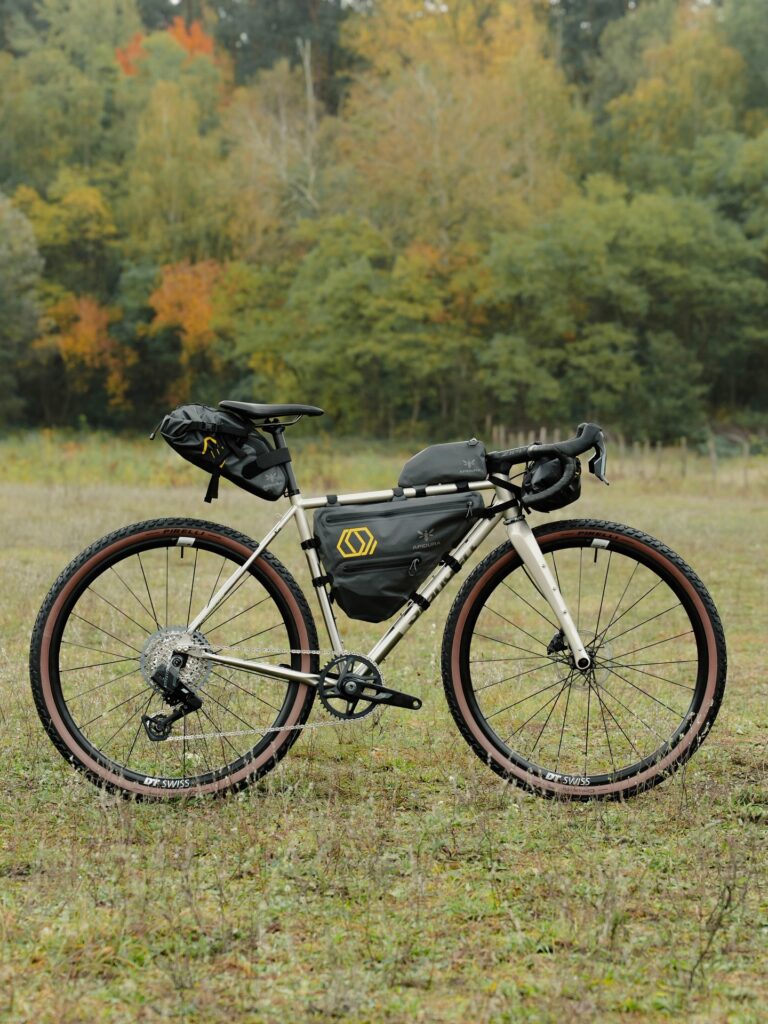
What Clothing Do You Need for Bikepacking?
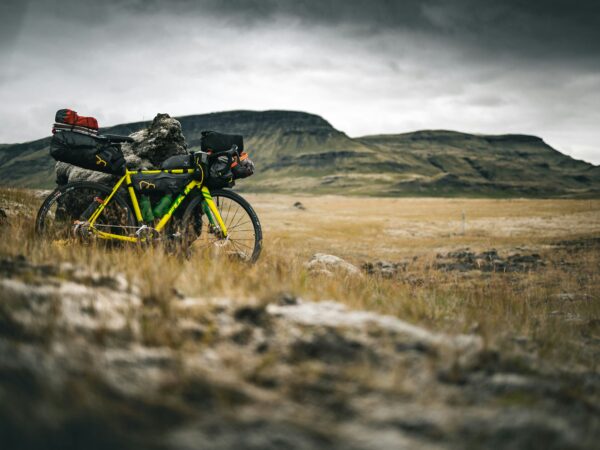
Let’s start with the basics. Bikepacking is often described as the more adventurous cousin of traditional cycle touring. It favors lighter setups, off-road routes, and a greater sense of freedom.
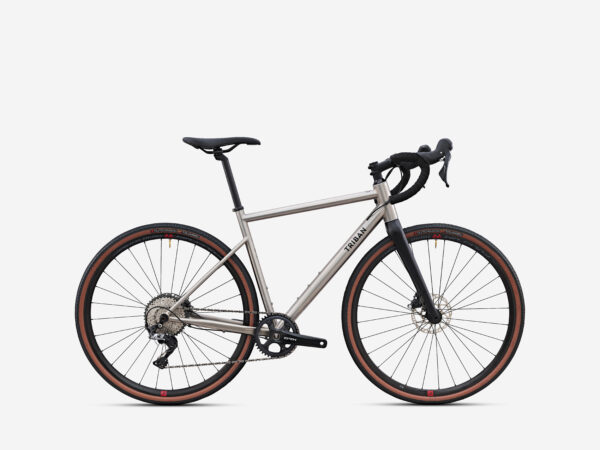
If you’re still unsure about the differences between bikepacking and classic touring, it’s worth checking a dedicated guide on how to equip your bike properly (bags, sleeping system, tent, etc.). Likewise, choosing the right bike for your trip is just as important as choosing the right clothes.
When it comes to apparel, bikepacking doesn’t necessarily require a full new wardrobe. If you already practice outdoor sports like hiking or trail running, many items can be reused, as long as they meet a few key criteria: comfort, breathability, and durability.
Cycling Kit or Casual Clothing: Is There a Bikepacking Style?
There is no single “correct” way to dress for bikepacking — and that’s part of its appeal.
The best outfit is simply the one you feel good riding in.
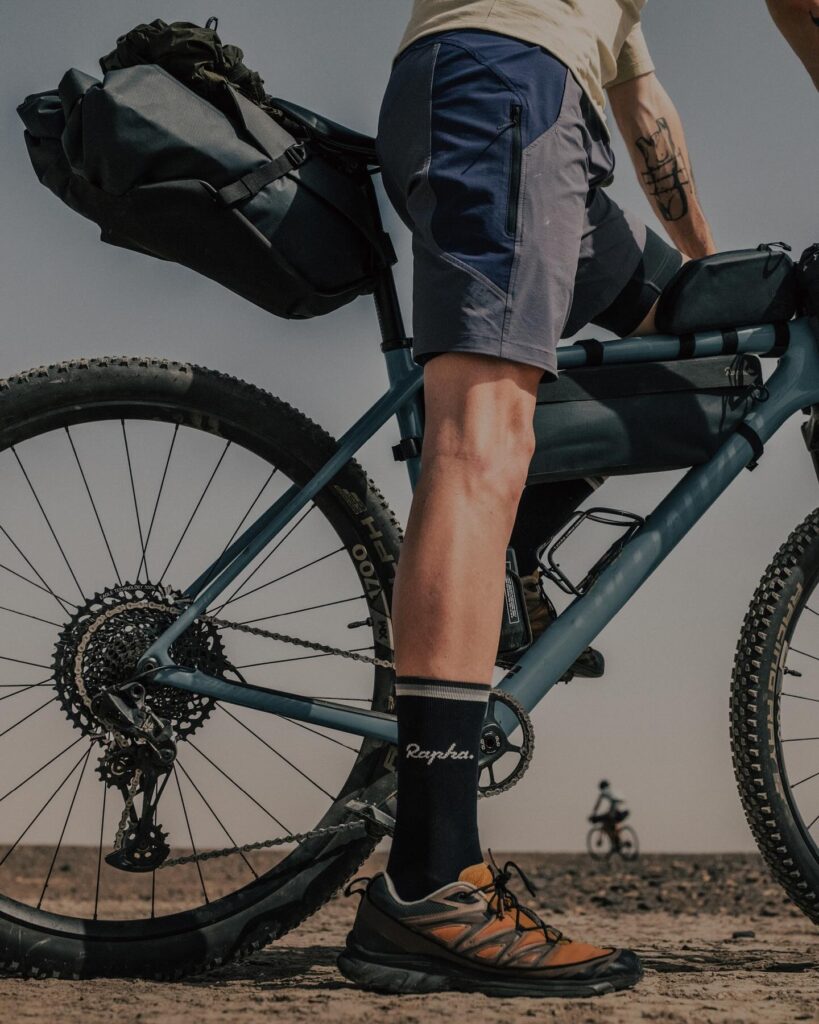
- Traditional cycling kit (tight jersey and padded shorts) may feel intimidating at first, but it offers real advantages: no fabric flapping in the wind, efficient moisture management, and practical rear pockets.
- On the other hand, many bikepackers now prefer a more relaxed approach, riding in shorts and a T-shirt. This trend has been fueled by brands operating at the crossroads of road cycling, gravel, and MTB apparel.
Both options work. The key is to avoid extremes and focus on function over fashion — even if style still matters.
Bib Shorts: Almost Impossible to Do Without
Let’s be honest: spending long hours on a bike, day after day, will eventually cause discomfort — especially for your backside. While there’s no miracle solution, a good pair of bib shorts can dramatically improve your experience.
Bib shorts include a padded insert (the famous chamois) designed to reduce pressure and friction. They might not be glamorous, but they are often the difference between enjoying your ride and counting the kilometers until the next stop.
You can wear them on their own or under looser shorts or pants, depending on your preference and the conditions.
With or Without Straps?
Most high-quality bib shorts come with straps. While they may not score points for style during swim breaks, they offer two major advantages:
- They keep the shorts perfectly in place, preventing friction.
- They eliminate the need for a tight waistband, which can become uncomfortable on long rides.
For multi-day trips, straps are usually the better option.
Bib Shorts Are Your Base Layer
There’s an old cycling rule that still holds true: bib shorts are designed to be worn directly against the skin. No underwear.
This allows the chamois to stay perfectly positioned and minimizes friction. Wearing underwear is possible, but it increases the risk of irritation — if you choose to do so, seamless models are essential.
For hygiene on longer trips, rotating between two pairs of bib shorts or rinsing them regularly can make a big difference.
Women’s Bib Shorts
Women’s bikepacking apparel has evolved significantly in recent years, thanks to feedback from female cyclists. Notable developments include:
- Strapless or detachable-strap bib shorts, making bathroom breaks much easier.
- Chamois shapes adapted to female anatomy, similar to women-specific saddles.
- Growing (but still limited) consideration for menstruation-related needs, with options such as merino underwear or adapted cycling solutions.
Some experienced riders even opt for no chamois at all, using running tights or modified shorts — but this approach requires experience and careful testing.
Key Criteria When Choosing Bib Shorts
Price
Ultra-cheap bib shorts rarely last and are often uncomfortable. Expect to invest at least €80, with a sweet spot between €120 and €160. Second-hand options can be a smart way to access higher-end gear.
Chamois Quality
Low-end foam compresses quickly and loses effectiveness. A good chamois — whether firm or plush — should remain comfortable over time. Look for details like thermobonded seams, ventilation zones, or gel inserts.
Fabric Quality
The fabric should stay in place, manage moisture efficiently, and resist abrasion when sitting on rough surfaces.
Pockets
Some adventure-oriented bib shorts include side or rear pockets. These are useful if worn alone, less so if covered by outer shorts.
Specific Designs
Bikepacking bibs often feature thicker chamois, antibacterial treatments, water resistance, and sometimes extra pockets. In colder conditions, long bibs or layering with tights is recommended.
Core Principles for Choosing Bikepacking Clothing
Beyond bib shorts, the rest of your clothing should follow a few simple rules: adaptability, comfort, and weather protection.
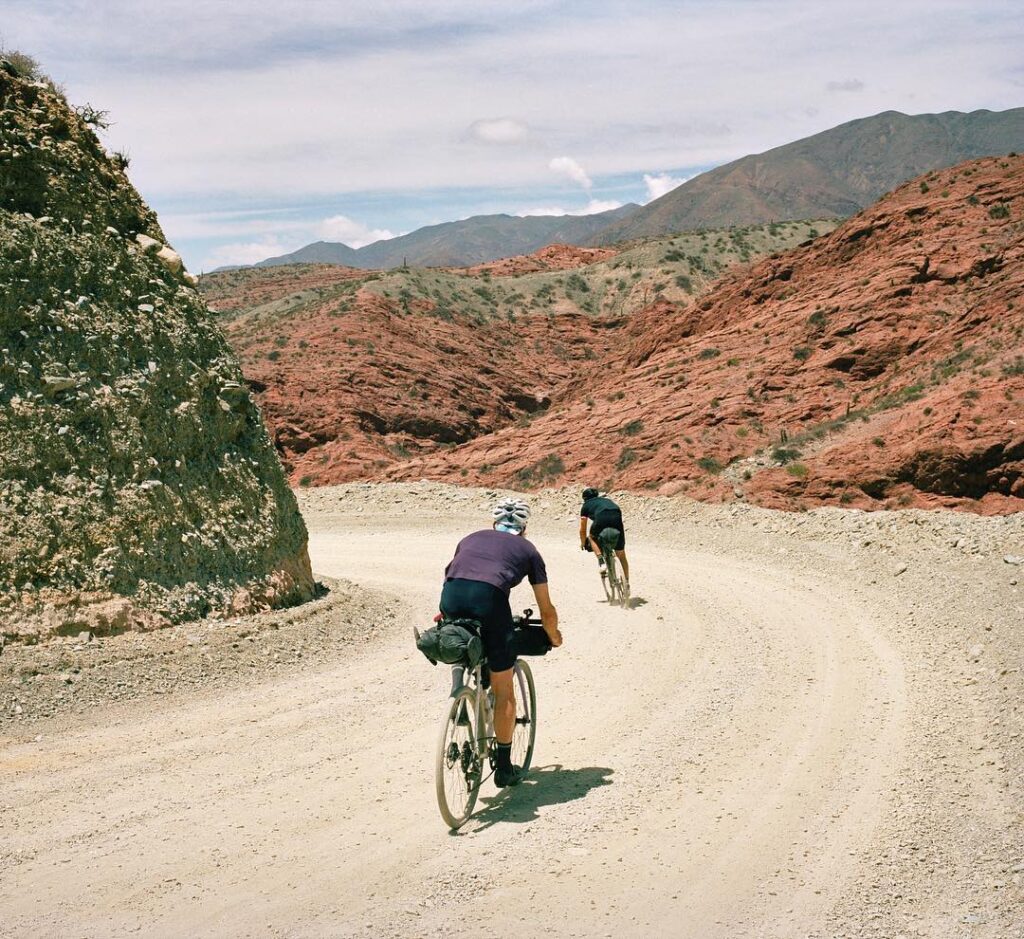
The Three-Layer System (Bikepacking Edition)
The classic outdoor layering system works well for bikepacking, with a few adjustments:
- Base layer: moisture-wicking, close to the skin
- Mid layer: insulation
- Outer layer: wind and rain protection
Cycling generates airflow, which can cool you down quickly. Heavy jackets often trap sweat rather than protect you. Cold temperatures are rarely ideal on a bike due to wind exposure, especially for hands and face.
Off the bike, however, a traditional three-layer system works perfectly.
Essential Clothing Items for Bikepacking
Once your base is sorted, build a simple, adaptable kit:
- Jersey: practical, wind-resistant, with rear pockets
- T-shirt: avoid cotton; choose synthetic or merino
- Base layer: adds warmth without bulk
- Long-sleeve jersey: for cooler conditions
- Windproof or waterproof jacket: a lightweight shell is key
- Shorts or pants: practical pockets are a plus
- Socks: thin in summer, thicker or merino in cooler weather
- Insulating layer: mainly for mornings, evenings, and stops
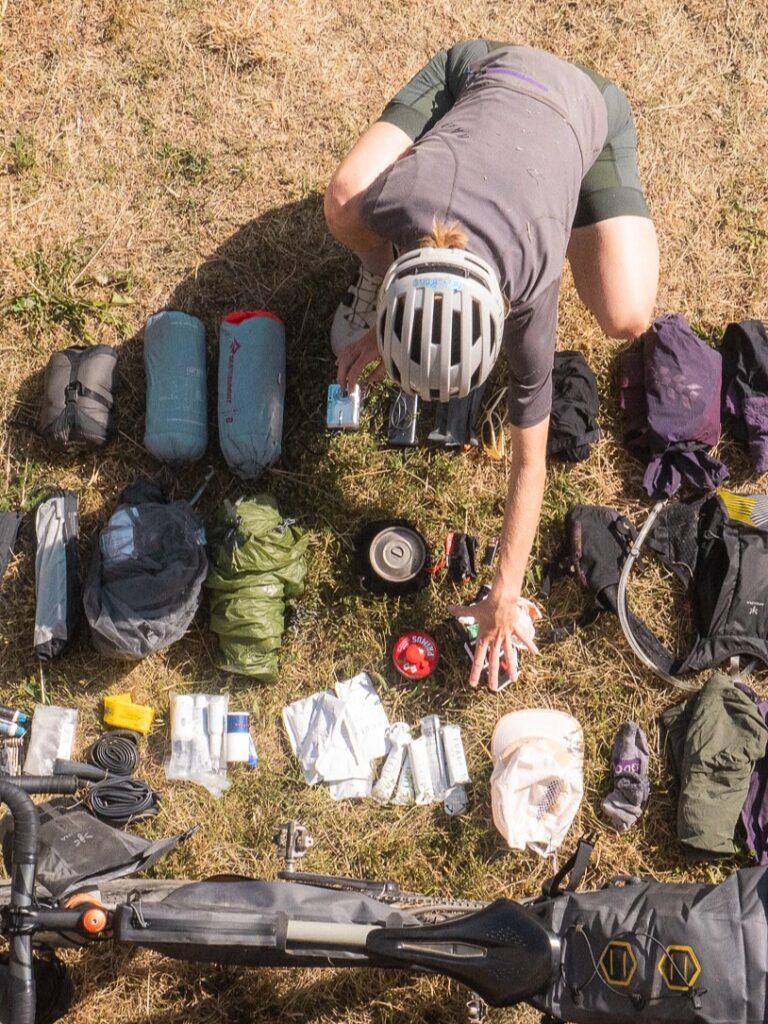
Clothing by Season
- Summer: T-shirt or jersey + bib shorts
- Mid-season: base layer + jersey + jacket
- Winter: long bibs + thermal layers + shell
- Rainy conditions: waterproof jacket and shoe covers
Adapt based on climate, terrain, and personal tolerance.
Essential Bikepacking Accessories
Accessories play a crucial role in comfort and safety.
Gloves
Even in summer, gloves protect your hands from vibrations, cold, and falls. Choose based on conditions: mitts, lightweight gloves, or insulated winter models.
Sunglasses
More than a style choice, sunglasses protect your eyes from wind, debris, insects, and UV rays. Durable, affordable models work just fine — they will take a beating.
Shoes and Pedals
Two main approaches:
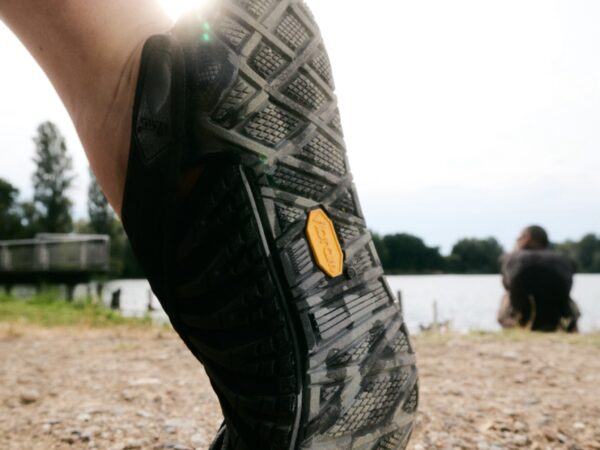
- Clipless pedals (SPD): better pedaling efficiency, less walking comfort
- Flat pedals: versatile, compatible with hiking or trail shoes
Choose based on your riding style and off-bike needs.
Helmet and Safety
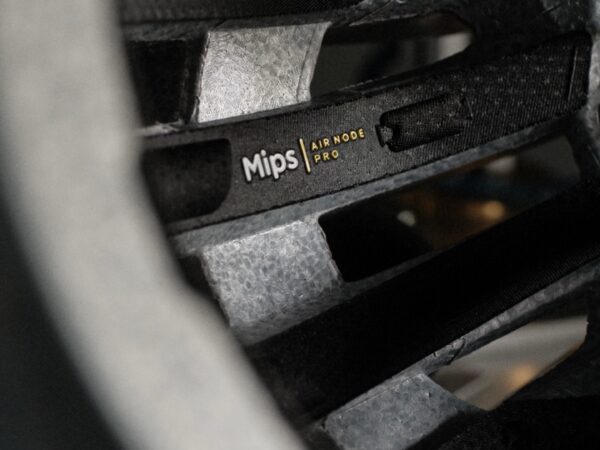
A comfortable, well-ventilated helmet that meets safety standards is essential. The best helmet is the one you’ll actually enjoy wearing.
Clothing for Life Off the Bike
Comfort off the bike matters too:
- Merino leggings and T-shirt for sleeping
- A spare outfit for evenings or travel
- Warm socks, hat, and lightweight jacket
Avoid bulky items unless they compress well.
Small Extras That Make a Big Difference
- Sandals for camp
- Neck gaiter or buff
- Arm and leg warmers
- Chamois cream (with regular washing)
Experience will naturally teach you how to pack lighter.
Sample Packing Lists
3-Day Trip
- 1 bib short
- 1 jersey or T-shirt
- Base layer
- 2 pairs of socks
- Waterproof jacket
- Merino layers for evenings
- Gloves, sunglasses
5-Day Trip
- Add extra socks, tops, and possibly a second bib short
7-Day Trip
- More layering options and insulation for comfort
Final Advice Before You Leave
- Prioritize hygiene and fabric quality
- Accept that comfort is subjective
- Start with a bit more gear if unsure — you’ll refine over time
Bikepacking is about freedom, adaptability, and enjoyment. The right clothing won’t ride the bike for you — but it will make the journey far more pleasant.