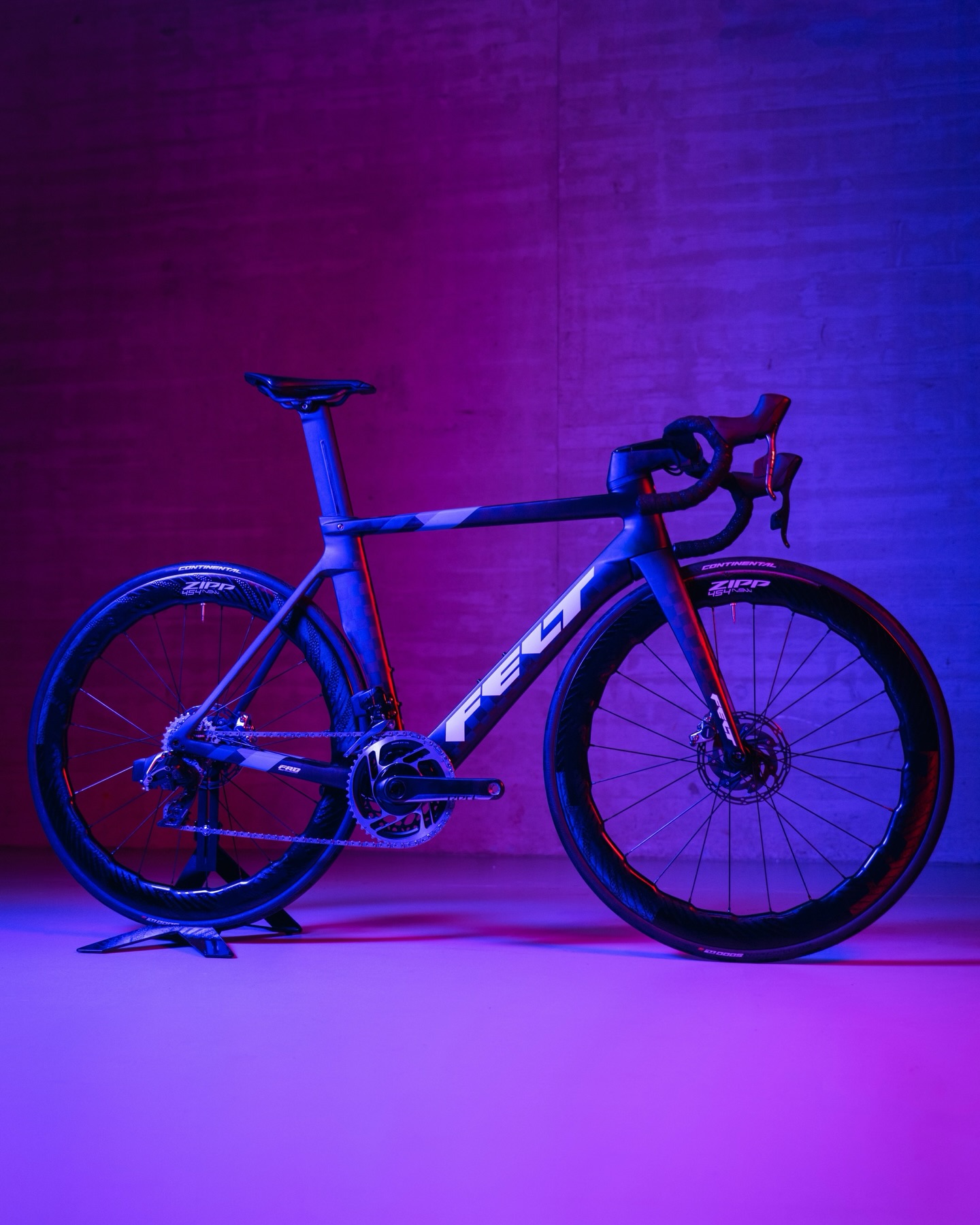
There are bicycle brands that want to be all things to all riders. And then there is Felt. From the very beginning, Felt has operated with a singular, almost stubborn clarity of purpose: go faster. Not comfortable. Not versatile. Not lifestyle-friendly. Fast. That single-minded philosophy, born in a California garage over thirty years ago, is precisely what has made Felt one of the most respected performance cycling brands on the planet — and, in my opinion, one of the most underrated.
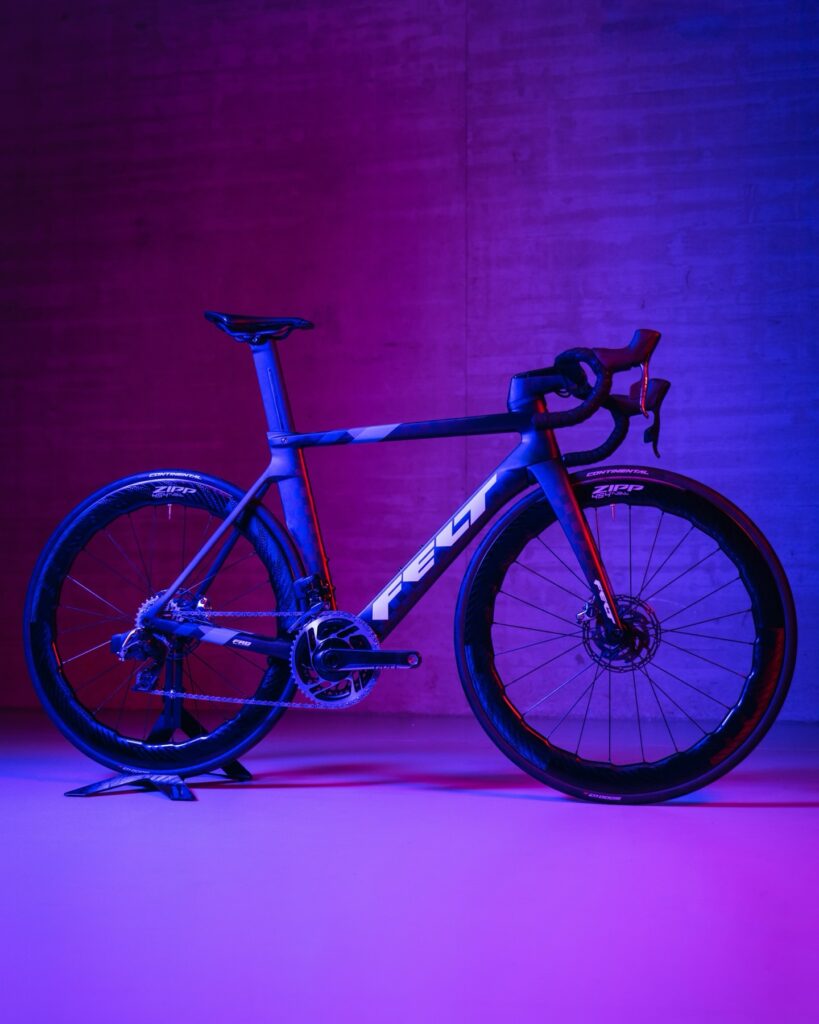
The Origin Story: A Mechanic, a Motocross Star, and an Ironman Victory
The Felt story begins not in a boardroom, but in a friendship. Jim Felt was a talented mechanic and engineer with a passion for making things go faster. His close friend, motocross legend Johnny O’Mara, shared that obsession — and one day asked Jim to build him a time trial bike for triathlon racing. Jim obliged, engineering a frame centered entirely around aerodynamic rider positioning. The results were immediate and dramatic: O’Mara started winning races.
Word spread quickly through the triathlon community. The best athletes in the world began seeking out Jim Felt’s handbuilt machines. Then, in 1991, came the moment that cemented everything: Paula Newby-Fraser, arguably the greatest female triathlete of all time and an eight-time Ironman World Champion, crossed the finish line at the Ironman World Championship in Kona, Hawaii, astride one of Jim’s creations. That performance was Felt’s true founding moment — not a corporate launch event, but a world championship victory.
Jim officially founded the company that year. What strikes me most about this origin story is how purely it embodies the brand’s identity. Felt was not invented to fill a market gap identified by a business analyst. It was invented because a passionate engineer wanted to make athletes faster. That authenticity is rare — and it has never fully left the brand.
From Garage to Global Brand: The Evolution of Felt Bicycles
The path from Jim Felt’s garage to a globally recognized brand was not without turbulence. After an initial partnership with sports equipment distributor Answer Products launched in 1994, the relationship deteriorated and Felt nearly vanished from the market entirely. But in 2001, Jim Felt partnered with Michael Mullmann and Bill Duehring to relaunch the brand as a fully independent global company.
That relaunch was transformative. The trio expanded Felt’s product range far beyond triathlon bikes, pushing into road racing, mountain biking, cyclocross and track cycling. They invested heavily in carbon fiber technology and aerodynamic engineering, positioning Felt as a performance-first brand for serious competitive cyclists at every level.
By the mid-2000s, Felt had grown into a legitimate global operation, selling bikes in over 30 countries and generating more than $60 million in annual revenue. In 2017, the brand was acquired by the Rossignol Group — the iconic French ski manufacturer — a move that made strategic sense given the two companies’ shared focus on performance sport and outdoor athletes. Four years later, in 2021, Felt was acquired again, this time by Austrian powerhouse PIERER Mobility, the parent company of KTM motorcycles, whose obsession with speed and racing culture aligned precisely with Felt’s DNA.
In my view, the PIERER acquisition was the most fitting chapter in Felt’s story. A company that builds championship-winning motorcycles and is genuinely obsessed with racing technology now backs a bicycle brand built on identical values. The cultural fit is almost too perfect.
Racing Credentials: Grand Tours, Olympic Gold, and Kona Legends
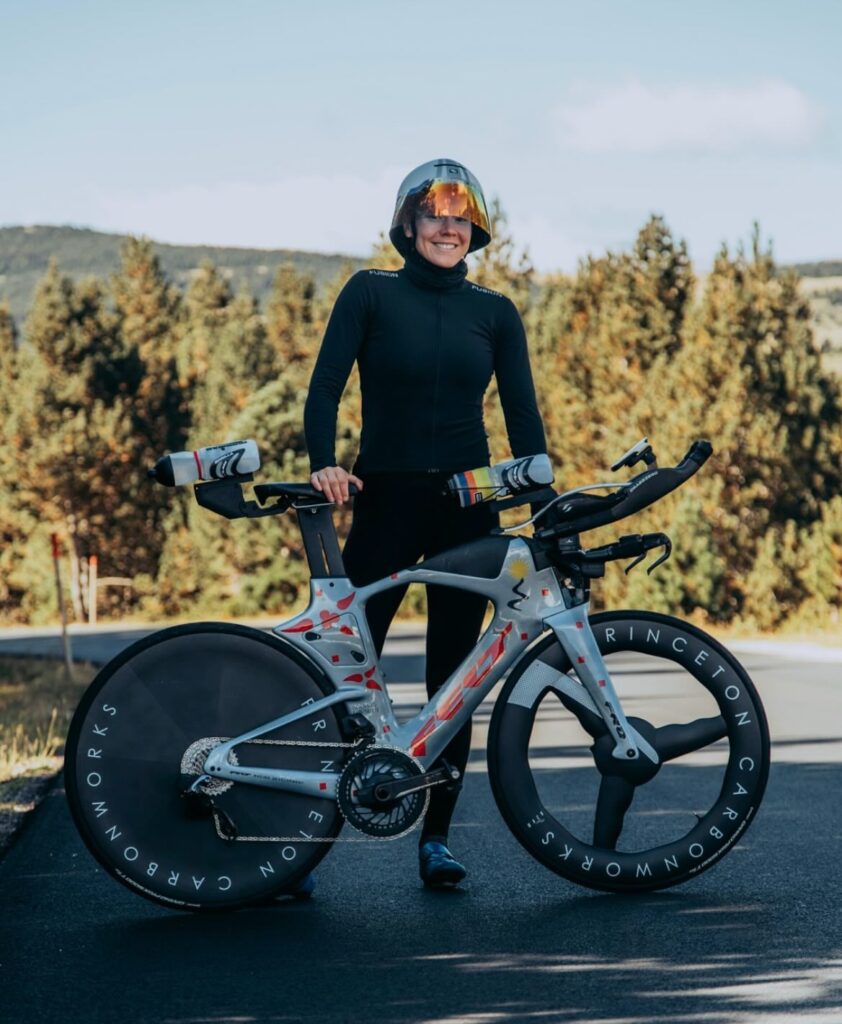
Few brands can claim the depth of racing success that Felt has accumulated across multiple disciplines. In triathlon, the list of champions who have raced on Felt bikes reads like a hall of fame. Beyond Paula Newby-Fraser’s legendary Kona victory, Daniela Ryf — five-time Ironman World Champion and widely considered the greatest female long-distance triathlete in history — has ridden Felt machinery to many of her most celebrated wins.
On the road, Felt supplied bikes to UCI WorldTour teams for several seasons, including a notable partnership with the Garmin-Slipstream squad. In 2013, Marcel Kittel — one of the most dominant sprinters of his generation — claimed four stage victories at the Tour de France aboard a Felt bicycle. Those wins, at cycling’s greatest race, confirmed that Felt’s engineering was genuinely world-class, not just impressive on paper.
On the track, the results are equally remarkable. The US Women’s track cycling team took silver at the 2016 Rio Olympics on Felt bikes, and at the Paris 2024 Olympics, Jennifer Valente claimed two gold medals — in the Omnium and Team Pursuit — aboard Felt machinery. Olympic gold medals are the ultimate validation for any bicycle brand’s engineering. Felt has earned them.
The Technology Behind the Speed: CFD, Carbon Fiber, and Free Speed
What separates Felt from many competitors is the genuine depth of its engineering investment. The brand has been a pioneer in the use of Computational Fluid Dynamics — CFD — to model and optimize aerodynamic performance. Rather than testing in physical wind tunnels alone, Felt’s engineers simulate airflow around frames, components, and rider positions using advanced computational modeling, allowing them to test hundreds of variables in the time it would take to run a handful of physical tests.
Felt was also among the earliest cycling brands to push carbon fiber construction to its limits. Long before carbon was ubiquitous in the industry, Felt’s engineers were exploring how different carbon layup schedules could tune a frame’s stiffness, compliance and weight simultaneously — not just in one direction, but as a holistic system.
The result of all this engineering is what Felt calls « free speed » — the performance gain that comes not from the rider putting out more power, but from the bike offering less resistance. In a sport where races are often decided by seconds, free speed is worth more than almost anything else you can buy.
Having ridden both Felt road and triathlon models myself over the years, I can confirm that this philosophy translates into tangible on-bike sensation. Felt bikes have always felt purposeful in a way that is difficult to explain but immediately recognizable: every component, every angle, every curve exists for a reason. There is no ornamentation. Just speed.
The Felt Lineup: Performance Across Every Road Discipline
Under PIERER Mobility’s ownership, Felt has sharpened its focus to concentrate on the disciplines where its engineering expertise is most impactful: road, track, cyclocross, gravel, and triathlon. The product range reflects this clarity.
FR (Road Racing): Felt’s flagship road race bike, completely redesigned and stripped of anything that doesn’t contribute to performance. A purist’s race machine.
AR (Aerodynamic Road): The aero road platform, designed for riders who want maximum speed on flat to rolling terrain. One of the most aerodynamically refined bikes in its category.
VR (Versatile Road / Gravel): Felt’s gravel and endurance offering, bringing the brand’s performance philosophy to mixed-terrain riding.
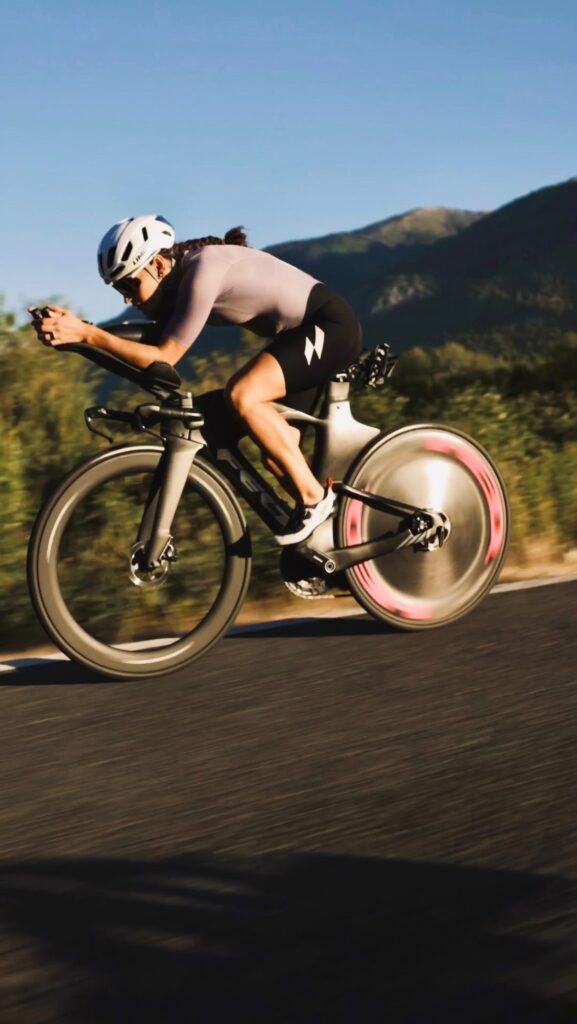
IA (Integrated Aero — Triathlon): The jewel of the lineup. The IA series is among the most advanced triathlon and time trial bikes ever produced, purpose-built for non-drafting racing and optimized around real-world wind conditions.
This tighter, more focused product range is, in my opinion, the right strategy. By cutting lifestyle and casual categories, Felt has recommitted entirely to the performance rider — the person who buys a bicycle because they genuinely want to go faster. That is a brave commercial decision, and one that commands respect.
Felt Deserves More Recognition Than It Gets
Here is my honest take: Felt is one of cycling’s most underappreciated brands. When enthusiasts discuss the great performance cycling marques, names like Specialized, Trek, Pinarello and Cervelo tend to dominate the conversation. Felt is often mentioned as an afterthought — despite the fact that its engineering pedigree, racing record, and commitment to innovation rival or exceed many of the names above.
Part of this is a marketing gap. Felt has never been as aggressive in consumer branding as its competitors. It has traditionally let its technology and its racing results do the talking — an admirable approach, but one that can leave a brand invisible to casual observers.
But for serious competitive cyclists — particularly triathletes and time trialists — Felt has always been considered a first-tier option. The riders who choose Felt tend to be highly informed, deeply performance-oriented, and loyal. They are not buying a logo. They are buying aerodynamic efficiency, precision engineering, and a thirty-year legacy of winning at the highest levels of the sport.
Final Verdict: A Brand for Those Who Ride to Go Fast
Felt Bicycles is not for everyone — and it has never pretended to be. It is a brand for riders who care about speed above comfort, performance above aesthetics, and function above fashion. That specificity is its greatest strength.
Over thirty years of Ironman victories, Tour de France stage wins, Olympic gold medals, and world championships speak louder than any marketing campaign. Felt has earned its reputation the old-fashioned way: by building bikes that win races.
Under PIERER Mobility’s ownership, the brand’s future looks more focused and more exciting than it has in years. If you race — whether on a triathlon course, a road circuit, or a velodrome — Felt deserves to be on your shortlist. Not because it is fashionable. Because it is fast.