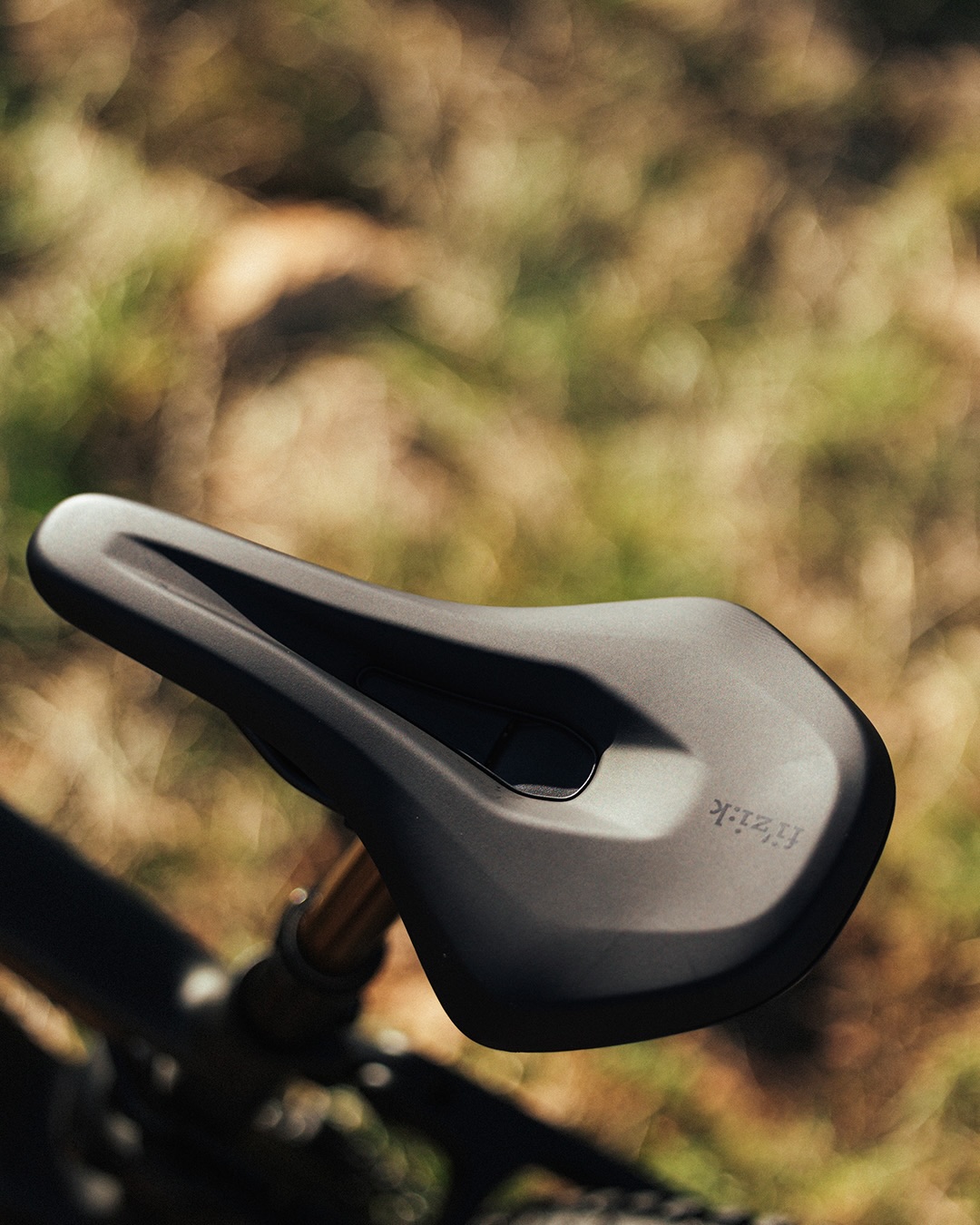
There are cycling brands that cover everything. And then there is Fizik — a brand that has spent nearly thirty years covering only what matters: the three contact points between a rider and a bicycle. Saddle, shoes, bar tape. In that specific territory, Fizik cycling gear has become one of the most respected names in the sport, used by WorldTour professionals and serious amateurs alike, across road, gravel, and triathlon. This is not a brand built on broad market appeal or aggressive discounting. It is built on the premise that if the contact points are right, everything else follows.
The Origin: A Premium Idea Inside a Saddle Giant
Fizik was founded in 1996, not by a start-up visionary, but by Selle Royal Group — an Italian company that had been making bicycle saddles since 1956 and had grown into the largest saddle manufacturer in the world. The reasoning was deliberate: Selle Royal’s core business was comfort saddles for the mass market, principally in Northern Europe. To move into high-performance cycling without compromising either brand, the decision was made to create an entirely separate entity — with its own design team, its own marketing, its own production, and its own identity.
The name itself encodes the mission. Fi’zi:k is the phonetic transcription of the word « physics » — a reference to the human body, to the science of movement, and to the aspiration of making products that respond precisely to how riders are built and how they ride. It is a deliberately non-Italian name for a deeply Italian brand, chosen to signal that Fizik was thinking globally from day one.
Today, Selle Royal Group employs over 1,400 people and manages six brands across 80 markets. Fizik is the only brand the group built internally — every other label, including Crankbrothers and Brooks, was acquired. That distinction speaks to how seriously Selle Royal took the Fizik concept from the start, and how much of the group’s engineering heritage was poured directly into it.
The Arione: The Saddle That Changed Everything
If one product defines Fizik’s place in cycling history, it is the Arione. Launched in 2004 in collaboration with professional riders, it was — and remains — a long, flat saddle designed for flexible riders who tend to move around on the bike and adopt a more aggressive, forward position. Before the Arione, UCI regulations effectively limited how saddle designers could approach shape and length. Fizik challenged those rules directly, forcing the international federation to update regulations that had become incompatible with how elite riders actually rode. The result changed the landscape of saddle design for the entire industry.
The commercial impact was immediate. In the ten years following the Arione’s launch, Fizik’s revenues grew from €2 million to €22 million — more than tenfold. The Arione won its first Giro d’Italia with Gilberto Simoni in 2003, and has been winning races and earning rider loyalty ever since. It remains one of the most copied silhouettes in the saddle market.
The Fizik Saddle System: Three Families, One Framework
What distinguishes Fizik’s approach to saddle design is not just aesthetics or materials — it is the underlying philosophy that rider flexibility determines saddle shape. Fizik developed a fitting framework based on how far a rider can bend forward with straight legs, dividing riders into three categories and mapping them to three core saddle families. The system is simple enough to be actionable and robust enough to have held up for two decades of product development.
| Family | Shape | For | Flagship models |
|---|---|---|---|
| Arione | Long, flat | Flexible riders, aggressive position | Arione R3, Arione R1 Open |
| Antares | Slightly curved | Average flexibility, balanced position | Antares R3 Open, Antares R1 |
| Aliante | Short, pronounced curve | Less flexible riders, upright position | Aliante R3 Open, Aliante Gamma |
Across all three families, Fizik offers a spectrum of versions — from carbon-railed, ultralight race models down to alloy-railed versions for riders who want the Fizik fit and build quality without the top-tier price. The Adaptive 3D line sits above all of them: saddles with 3D-printed lattice padding, engineered at a microscopic level to distribute pressure more evenly than any conventional foam can. It is currently the most technically ambitious saddle range on the consumer market, and Fizik’s answer to the question of what happens when you have access to industrial manufacturing and a serious R&D budget.
Fizik Cycling Shoes: Eleven Years of Refinement
Shoes came to Fizik in 2013 — later than the saddles, and developed from scratch, since Selle Royal had no existing footwear expertise to draw on. The challenge was significant: saddle-making is a materials and ergonomics problem; shoe-making is a fit, lasts, and construction problem. The fact that Fizik cycling shoes now stand alongside their saddles as reference products in the premium market is a testament to how seriously the brand took that learning curve.
The current shoe range covers road, gravel, and MTB disciplines and is organised into three performance tiers — the R-series for road racing, the X-series for MTB and off-road, and the Tempo series for endurance and training. At the top of the road range, the Infinito RC Ultimate and the Vento Powerstrap R2 Aeroweave represent the current state of the art in road cycling footwear: ultralight construction, carbon soles with near-zero power transfer loss, and closure systems that professional riders have validated across Grand Tours. The Vento series also extends into cyclocross and cross-country MTB, where the boundary between road and off-road becomes irrelevant.
For gravel-focused riders — a growing segment of the hill.camp audience — Fizik’s Terra range deserves attention alongside the QUOC lineup and the Gran Tourer, which we’ve reviewed in depth. The Fizik Terra Atlas and Terra Ergolace X2 offer a different approach: more structure, more power transfer, and more race-oriented fit compared to QUOC’s walking-friendly aesthetic. The right choice depends on how much of your gravel riding happens off the bike.
Bar Tape and Accessories: Closing the Triangle
Fizik describes its product philosophy as covering the triangle of contact points — saddle, shoes, and handlebar. The bar tape range completes that triangle, and it is taken seriously: the Tempo Microtex and Vento Solocush Tacky are genuine reference products used by professional teams, not afterthoughts. The Microtex, in particular, has become one of the most recognisable bar tape options in road cycling — thin, firm, and with just enough grip to feel secure in wet conditions without the bulky softness that absorbs power. For riders building a complete fizik cycling setup, the bar tape is the logical finishing element.
Racing Pedigree: Why It Matters
Fizik’s approach to professional sponsorship is worth understanding because it differs from how most component brands operate. Rather than paying for logo placement on a jersey, Fizik operates as a genuine technical partner — supplying saddles, shoes, and bar tape to teams and working directly with riders on fit and feedback. The brand supplies Movistar with full contact-point equipment for every rider on the team, and its saddles are used by Jumbo-Visma, INEOS, and AG2R among others. Eight of the twenty-two teams at a recent Tour de France were riding Fizik saddles.
This racing validation matters to the serious cyclist in a way that marketing alone cannot replicate. Professional riders are not sentimental about their equipment — they will change a saddle mid-season if something performs better. The fact that Fizik retains loyalty across multiple seasons and multiple teams reflects genuine product performance rather than contractual inertia.
Fizik Cycling and the Gravel Revolution
The growth of gravel cycling has pushed Fizik to expand in ways that a pure road brand would not need to. The Terra shoe range, saddle models with wider platforms and more trail-oriented padding, and accessories designed for longer, more variable riding conditions all reflect the brand’s recognition that its most dynamic market is no longer the road peloton — it is the rider building around a gravel bike and planning routes that mix terrain. The United States, in particular, has been identified by Fizik as a priority growth market precisely because of gravel’s explosive popularity there.
For riders building a serious gravel setup around a Canyon Grail or a Trek Domane, Fizik’s contact-point system provides a coherent, performance-validated approach to the three elements that most directly affect comfort and efficiency on long days in the saddle.
Our Honest Assessment
Fizik is not a brand for every budget — and it does not pretend to be. Entry-level options exist within the range, but the brand’s identity is built around premium materials, professional testing, and the kind of attention to finishing detail that you notice the moment you open the box. The presentation is exceptional across the board: this is a brand that understands that buying a premium saddle or shoe is also an emotional decision, and it treats that seriously.
The fit system is the most durable part of the Fizik proposition. Unlike many component brands that update their ranges so aggressively that last year’s product becomes orphaned, the Arione-Antares-Aliante framework has remained consistent enough that a rider who found their fit ten years ago can still find it today. That stability is rarer than it sounds in a market defined by constant iteration.
Where Fizik deserves honest scrutiny is on value at the very top of the range. The Adaptive 3D saddles and the R1-tier shoes are priced at a level that requires real conviction — or a professional team’s equipment budget. For most riders, the R3-tier products deliver the Fizik fit and build quality at a more defensible price point. The performance gap between R3 and R1 exists but is marginal for anyone not racing at an elite level.
On the gravel side, the Terra range faces serious competition from more walking-oriented designs. If your gravel riding involves significant hike-a-bike sections or multi-day bikepacking, a shoe like the Quoc Gran Tourer may serve you better. If you are racing gravel or riding long road-gravel mixes with minimal dismounting, Fizik is the stronger technical choice.
Fizik Cycling: Key Products Worth Knowing
| Product | Category | Why It Stands Out |
|---|---|---|
| Arione R3 | Road saddle | The original game-changer; long, flat, ideal for flexible riders |
| Antares R3 Open | Road saddle | Best-selling versatile saddle; works across riding styles |
| Adaptive 3D Aliante | Road saddle | 3D-printed padding; leading edge of pressure-distribution tech |
| Vento Powerstrap R2 Aeroweave | Road shoe | Race-grade stiffness, minimal weight, Boa closure |
| Terra Ergolace X2 | Gravel/MTB shoe | Power transfer on-bike, walkable off-bike |
| Tempo Microtex Classic | Bar tape | Thin, firm, race-proven grip in wet conditions |
What does « fi’zi:k » mean?
Fi’zi:k is the phonetic transcription of the word « physics » — chosen to reference the human body and the science of movement. The name was deliberately non-Italian to position the brand as global from the start, while remaining rooted in Italian design and manufacturing.
Who owns Fizik?
Fizik is owned by Selle Royal Group, an Italian company founded in 1956 and based in Pozzoleone, in the Veneto region. Selle Royal Group manages six cycling brands across 80 markets and employs over 1,400 people. Fizik is the only brand the group built internally — all others were acquired.
Which Fizik saddle should I choose?
Fizik’s fit system maps rider flexibility to saddle shape. Flexible riders (who can touch flat hands to the floor with straight legs) suit the Arione. Average-flexibility riders suit the Antares. Riders with limited flexibility or a more upright position suit the Aliante. Within each family, the R3 tier offers the best value; the R1 tier is for riders who need maximum weight reduction. The Adaptive 3D range adds 3D-printed padding for superior pressure distribution across all three families.
Are Fizik cycling shoes good for gravel?
Yes, with caveats. The Terra range is purpose-built for off-road and gravel riding, offering a stiff sole for power transfer and enough sole grip for moderate walking. For mixed terrain with significant hike-a-bike sections, more walkable alternatives may suit better. For performance-oriented gravel — long mixed-surface rides without much dismounting — Fizik Terra shoes are among the best in class.
Is Fizik worth the price?
At the R3 tier — the middle of Fizik’s performance range — yes, consistently. The fit system is proven, the build quality is excellent, and the brand’s stability means you can trust a Fizik saddle to remain in production long enough to replace it with the same model. At the top of the range (Adaptive 3D, R1-tier shoes), the value equation becomes more marginal unless weight savings or cutting-edge technology are priorities.
Explore the full Fizik cycling range — saddles, shoes, and bar tape — on the official Fizik website.