
The gravel bike has quickly become one of the most versatile bicycles available today. Designed to bridge the gap between road cycling and off-road adventure, it allows riders to explore everything from smooth asphalt to forest tracks and rugged backroads. This versatility explains why gravel cycling has exploded in popularity over the last decade.
However, choosing the right gravel bike is not always easy. Frame materials, geometry, tire clearance, drivetrain options and intended usage all play a role in determining the ideal model. Whether you want a bike for long endurance rides, bikepacking adventures or fast gravel racing, understanding the key characteristics of a gravel bike will help you make the right decision.
This guide explains how to choose a gravel bike, covering the most important criteria to consider before buying.
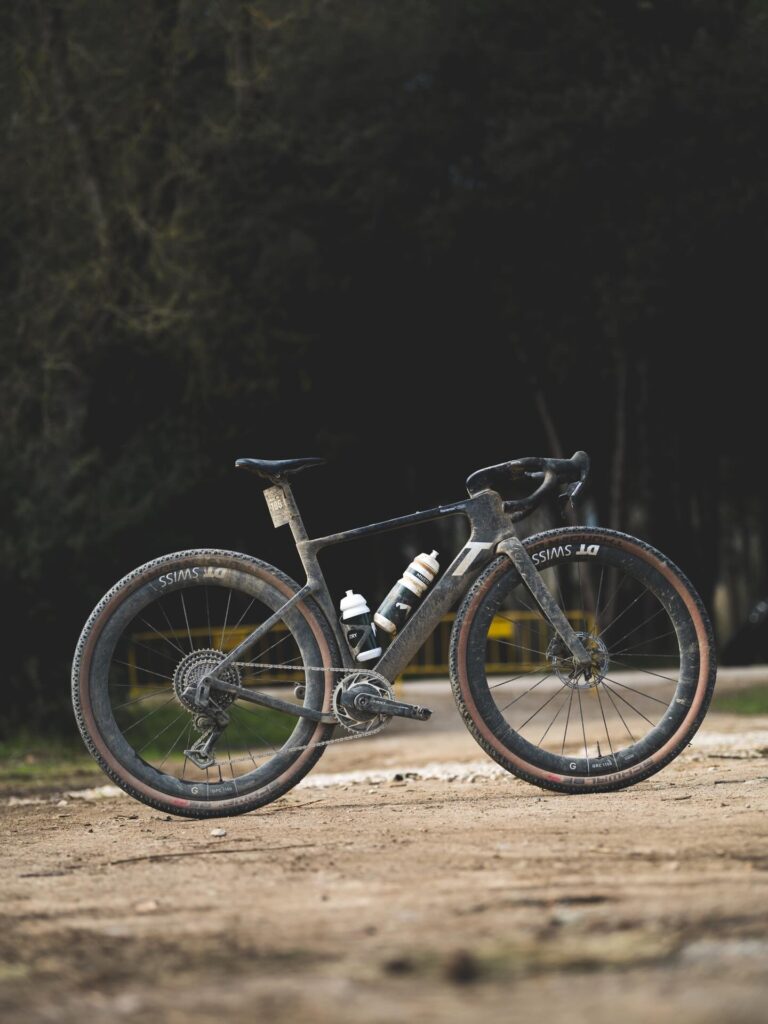
Understanding What a Gravel Bike Is
A gravel bike is essentially a multi-terrain bicycle designed to perform well on both pavement and unpaved roads. It combines elements of road bikes, cyclocross bikes and mountain bikes to deliver comfort, stability and versatility.
Compared with traditional road bikes, gravel bikes usually feature:
- Wider tire clearance
- More stable geometry
- Disc brakes
- Lower gearing for climbing
- Mounting points for accessories such as bags or racks
These characteristics allow riders to tackle rough roads and remote terrain while maintaining efficiency on smoother surfaces. Gravel bikes are often described as the ultimate “go anywhere” bike, capable of handling commuting, touring, endurance riding and adventure cycling.
Define Your Gravel Riding Style First
Before looking at specifications, the most important step is defining how you plan to use your gravel bike.
Gravel bikes can serve very different purposes depending on the rider’s goals. Some cyclists prioritize speed and efficiency, while others want maximum comfort and load-carrying capacity.
Performance or race gravel bikes
These models emphasize speed and responsiveness. They often resemble endurance road bikes with slightly wider tires and aggressive geometry.
Generally speaking, gravel bikes fall into three main categories:
Adventure or bikepacking gravel bikes
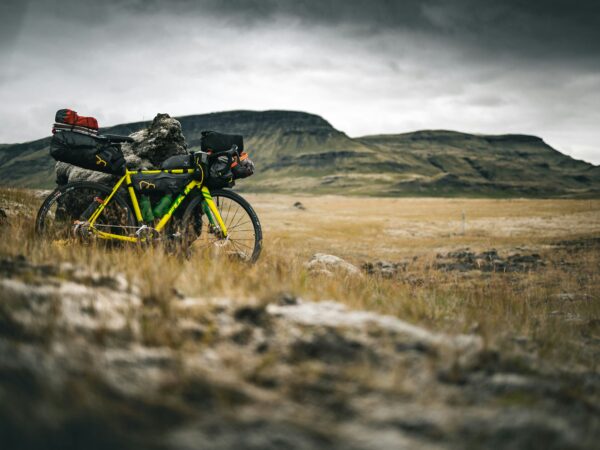
These bikes focus on stability, durability and cargo capacity. They usually include numerous mounting points for bags, racks and extra bottles.
All-round gravel bikes
Designed for versatility, these models strike a balance between comfort, speed and off-road capability.
Understanding your riding style helps narrow down your choices. For example, a rider planning multi-day bikepacking trips will prioritize mounting points and comfort, while a rider focused on gravel races will care more about weight and responsiveness.
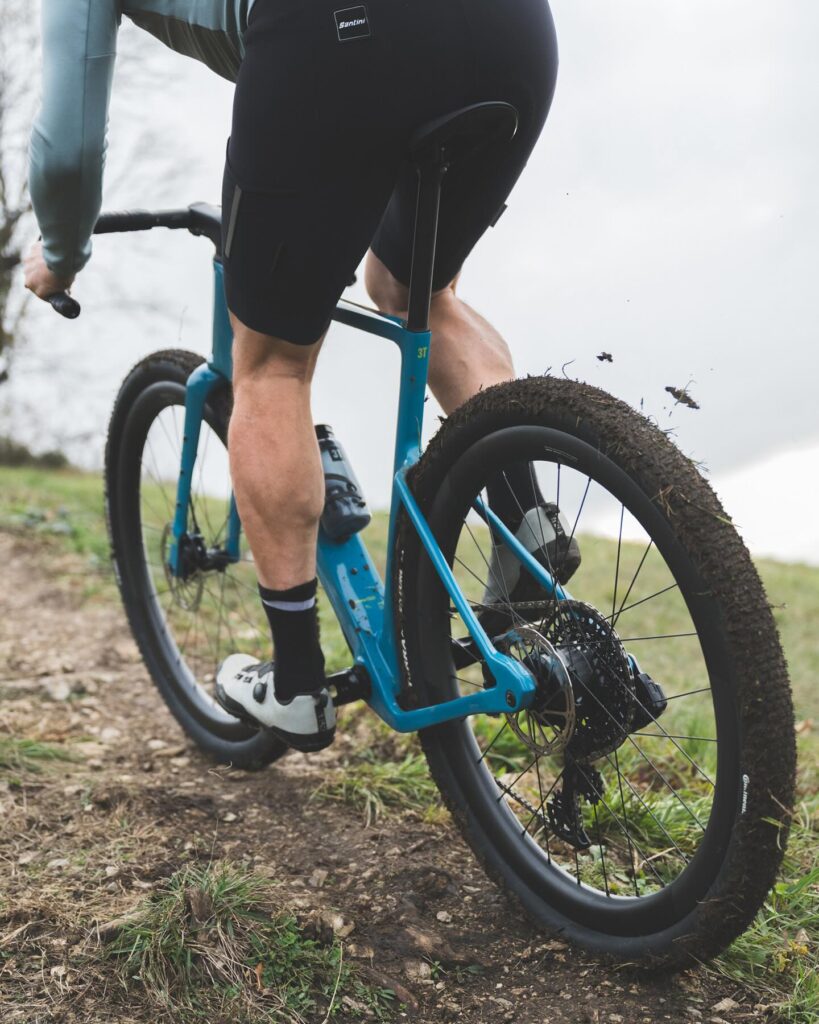
Frame Material: Aluminum, Carbon, Steel or Titanium?
One of the first decisions when choosing a gravel bike concerns the frame material, which influences comfort, weight and price.
Aluminum: Accessible and versatile
Aluminum gravel bikes are often the most affordable option. They are lightweight, durable and suitable for a wide range of uses. Modern aluminum frames can integrate advanced technologies and their inherent stiffness is often compensated by wide tires that improve comfort.
Because of their durability and accessible price, aluminum gravel bikes are often recommended for beginners or riders looking for a versatile bike.
Carbon: Lightweight and performance-oriented
Carbon frames are popular among experienced cyclists. They are typically lighter than aluminum and can be engineered to absorb vibrations from rough surfaces.
The main advantage of carbon lies in its performance and comfort balance, making it a common choice for high-end gravel bikes.
Steel: Comfort and durability
Steel frames are heavier but highly valued for their smooth ride quality and long-term durability. Many adventure cyclists prefer steel for long-distance touring or bikepacking trips because it is robust and easier to repair.
Titanium: Premium and long-lasting
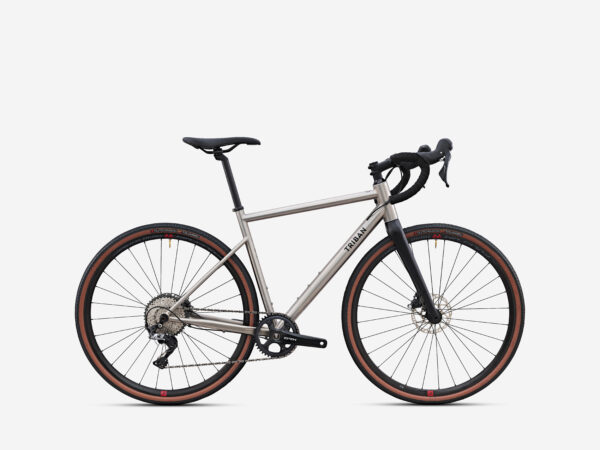
Titanium frames combine the comfort of steel with the lightness of aluminum. They are extremely durable and resistant to corrosion, but they remain expensive and relatively rare.
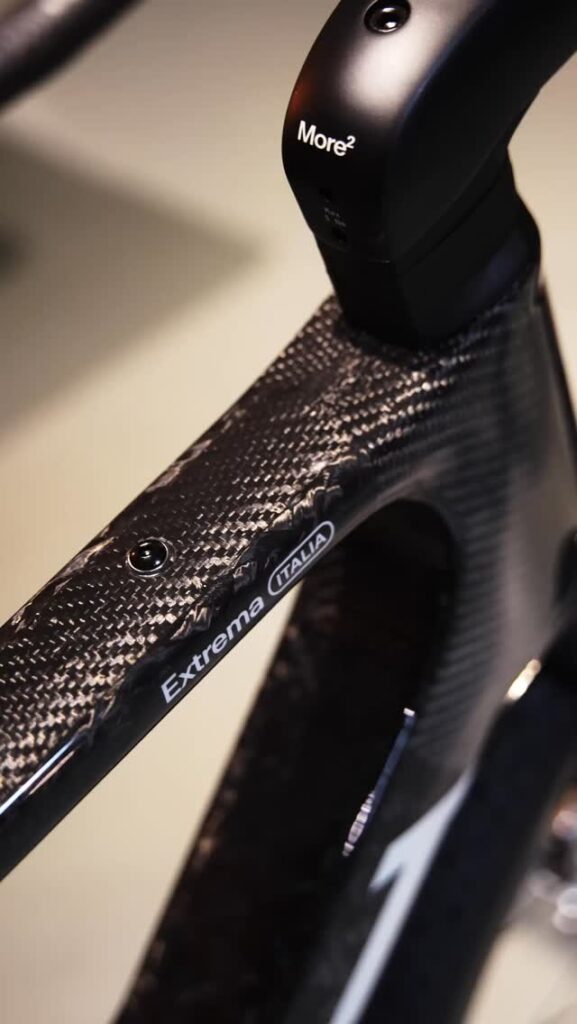
Gravel Bike Geometry: Comfort vs Performance
Geometry plays a major role in how a gravel bike handles. Compared with road bikes, gravel bikes typically feature longer wheelbases, more relaxed angles and higher stack heights to increase stability and comfort.
Several geometry factors influence the riding experience.
The head tube angle determines steering responsiveness. Steeper angles create quicker handling, while slacker angles provide more stability on rough terrain. Race-oriented gravel bikes often use angles around 70–72°, while adventure models may be slightly slacker.
The wheelbase and chainstay length also influence stability and traction. Longer wheelbases improve control on uneven terrain but reduce agility.
Finally, the stack and reach measurements determine your riding position. A higher stack typically results in a more upright and comfortable posture, which is often preferred for long rides.
When choosing a gravel bike, geometry should match your riding goals:
- aggressive geometry for racing
- relaxed geometry for endurance and exploration
Tire Clearance and Tire Width
Tires are one of the defining elements of a gravel bike. Wider tires increase comfort, grip and stability on loose terrain.
Most gravel bikes can accommodate tires between 35 mm and 45 mm, which represents a good balance between efficiency and traction. Some adventure-focused bikes can fit even wider tires, sometimes exceeding 50 mm.
Generally speaking:
- 35–40 mm tires work well for mixed road and gravel riding
- 40–45 mm tires provide a versatile all-terrain setup
- 50 mm and wider tires are better suited for rough terrain or bikepacking
When choosing a gravel bike, always check the maximum tire clearance specified by the manufacturer. Adequate clearance is important not only for tire size but also for mud and debris accumulation during rides.
Drivetrain: Single Chainring or Double Chainring?
Gravel bikes usually use either 1x (single chainring) or 2x (double chainring) drivetrains.
1x drivetrain
The single chainring setup is popular in gravel cycling because it simplifies the drivetrain and reduces maintenance. It offers fewer components and a more intuitive shifting experience.
This configuration works well for riders focusing on off-road terrain or bikepacking adventures.
2x drivetrain
A double chainring system offers a wider gear range and smaller gaps between gears. It is often preferred by cyclists who ride long distances on both roads and gravel.
Riders who regularly alternate between asphalt and steep climbs often prefer this configuration because it provides more gearing options.
Braking System: Mechanical or Hydraulic Disc Brakes
Disc brakes are now the standard on gravel bikes. They provide reliable stopping power in all conditions, especially on wet or muddy terrain.
Two types are commonly used:
- Mechanical disc brakes: cable-actuated, simpler and easier to maintain
- Hydraulic disc brakes: more powerful and precise, but slightly more complex
Hydraulic systems are generally preferred for gravel riding because they offer stronger braking and better modulation, especially on long descents.
Final Thoughts: Choosing the Right Gravel Bike
Choosing the right gravel bike ultimately comes down to understanding your riding goals. Gravel bikes are incredibly versatile machines, but each model is designed with a slightly different purpose in mind.
Before buying a bike, consider:
- The type of terrain you ride most often
- Whether you prioritize speed or comfort
- The distance of your typical rides
- Your interest in bikepacking or racing
- Your budget and preferred frame material
A well-chosen gravel bike can open the door to new adventures, allowing you to ride farther, explore new landscapes and enjoy the freedom that gravel cycling is all about.
FAQ: Gravel Bike Buying Guide
Most riders choose tires between 38 mm and 45 mm, which provide a good balance between speed, comfort and traction on mixed terrain.
Yes. Gravel bikes can perform very well on paved roads, especially when fitted with narrower or smoother tires.
Absolutely. Many gravel bikes include mounts for racks, bags and additional bottles, making them ideal for bikepacking trips.
Aluminum bikes are usually recommended for beginners because they are durable and more affordable, while still offering excellent performance.
Aluminum bikes are usually recommended for beginners because they are durable and more affordable, while still offering excellent performance.