
Hydration packs—often called hydration vests—have become an essential piece of gear for trail runners. Unlike traditional backpacks, they are designed to fit like a second skin, allowing you to carry water, nutrition and mandatory equipment while minimizing bounce and maximizing comfort.
But with dozens of models on the market, different capacities and multiple hydration systems, choosing the right trail running hydration pack can feel overwhelming. This guide explains how to choose the best hydration vest for trail running, including capacity, fit, hydration systems and essential features.
What Is a Trail Running Hydration Pack?
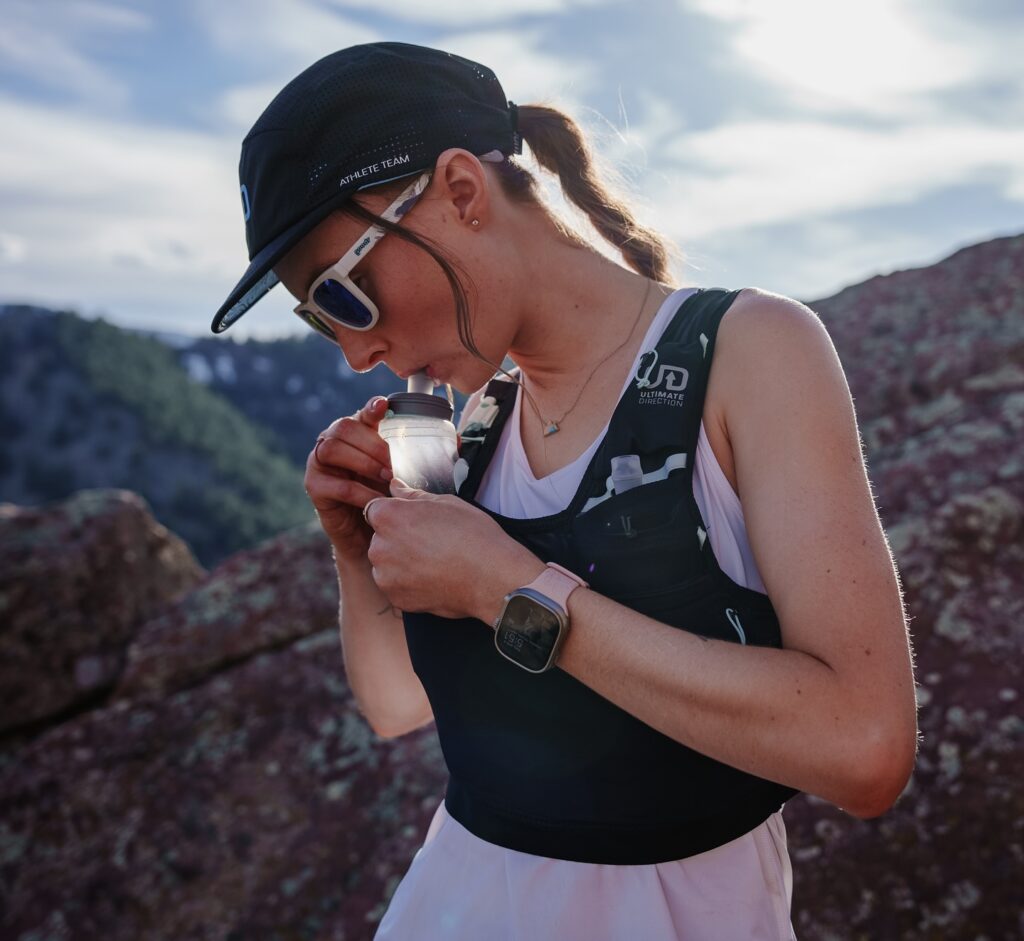
A trail running hydration pack is a lightweight vest-style backpack designed to carry water, food and small pieces of gear during runs. Unlike traditional backpacks, these packs distribute weight across the chest and back to keep the load stable while running.
Most hydration packs include:
- Front pockets for soft flasks (usually 2 × 500 ml)
- Compatibility with a hydration reservoir in the back
- Multiple stretch pockets for gels, phone or gloves
- Storage for mandatory race gear such as a jacket or headlamp
Their design prioritizes quick access, breathability and stability, which are essential when running on technical terrain.
Choose the Right Capacity for Your Runs
The first question to ask yourself is simple: how long will your runs be?
Hydration packs are usually categorized by storage capacity (liters), which refers to the total volume of all pockets—not just water capacity.
Recommended Hydration Vest Capacities
| Capacity | Best For | Typical Use |
|---|---|---|
| 2–4L | Short runs | Training sessions up to 2 hours |
| 4–6L | Medium runs | Long training runs or half marathon preparation |
| 6–8L | Long trail runs | 2–4 hour runs or marathon training |
| 8–12L | Ultra trail | Races requiring mandatory gear |
For example:
- Short runs under 2 hours generally require minimal storage and hydration.
- Long trail runs or ultra races require more water, food and safety equipment, making larger packs necessary.
Choosing the correct capacity is essential: a pack that is too small limits your autonomy, while one that is too large adds unnecessary weight.
Hydration System: Soft Flasks or Reservoir?
Trail running hydration packs typically support two main hydration systems.
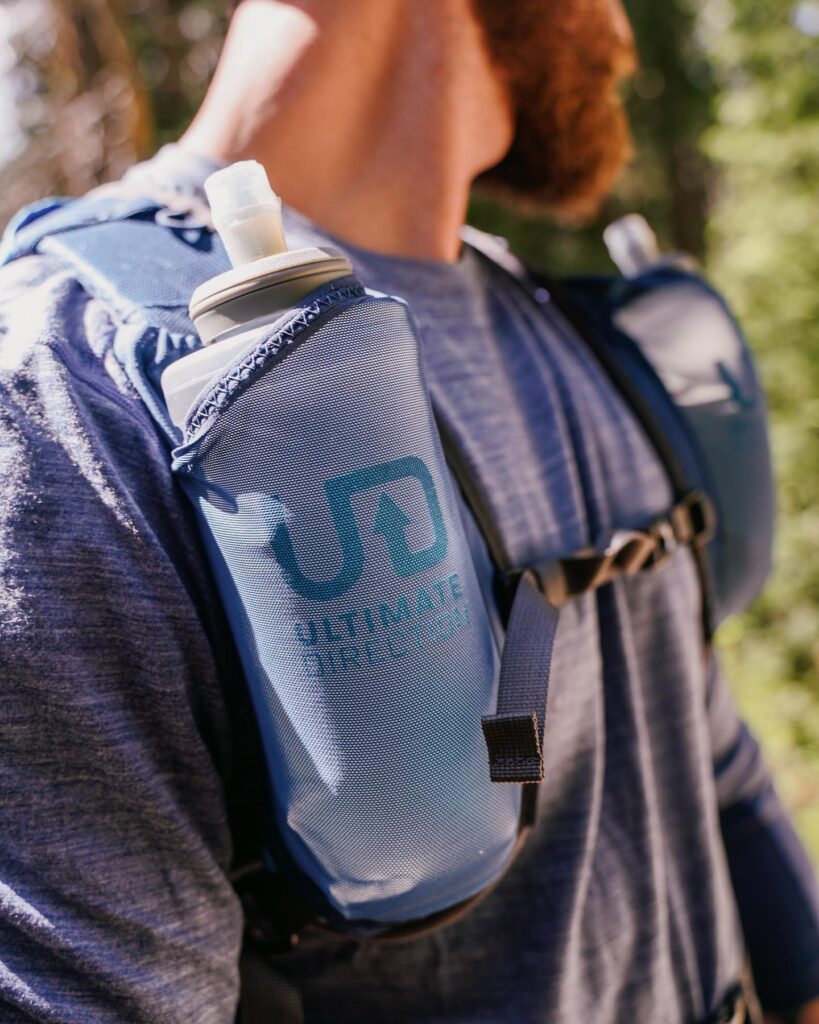
Soft Flasks (Front Bottles)
Soft flasks are flexible bottles stored in the front chest pockets.
Advantages:
- Easy to access while running
- Easy to refill at aid stations
- Allows balanced weight distribution
Most vests include two 500 ml flasks, giving you about 1 liter of water.
Hydration Reservoir (Bladder)
Some packs include a hydration bladder located on the back with a drinking tube.
Advantages:
- Higher capacity (1.5–2 liters or more)
- Ideal for long runs without aid stations
The downside is that reservoirs are harder to refill during a race and less accessible than front flasks.
Many trail runners choose packs that support both systems simultaneously for maximum versatility.
Fit and Comfort: The Most Important Factor
A hydration vest should feel like a piece of clothing rather than a backpack. The goal is to eliminate bounce and friction while running.
Key Fit Criteria
When trying a hydration pack, check:
- Chest circumference compatibility
- Adjustable chest straps
- High, snug fit on the torso
- No rubbing on the neck or shoulders
A properly fitted vest should feel snug but should not restrict breathing or arm movement.
Pro tip: Always test the vest filled with water, because the load distribution changes when the pack is full.
Storage Layout and Accessibility
A good hydration pack is not just about capacity—it’s also about how the storage is organized.

The best models include:
Front pockets
- Soft flasks
- Energy gels
- Phone or GPS watch
- Electrolyte tablets
Side pockets
- Gloves
- Nutrition
Back compartments
- Waterproof jacket
- Mandatory race gear
- Headlamp
- Emergency blanket
Some models also feature pole-carrying systems, which are particularly useful in mountain ultras.
Weight and Breathability
Because trail runners move constantly, hydration packs must remain lightweight and breathable.
Typical hydration vest weights range from 200 g to 400 g, depending on capacity and materials.
Look for:
- Stretch mesh fabrics
- Breathable back panels
- Minimal seams to prevent chafing
These features reduce overheating and improve comfort during long runs.
Stability: Avoid Bounce While Running
A bouncing hydration pack is not just annoying—it wastes energy and can cause chafing.

To ensure stability:
- Choose a vest-style design
- Use adjustable chest straps
- Keep heavy items close to the back panel
- Tighten the lower straps first, then the upper ones
A snug, well-adjusted vest greatly reduces movement while running.
Mandatory Gear and Race Regulations
If you plan to participate in trail races, your hydration pack must accommodate mandatory safety equipment.
Typical required items include:
- Waterproof jacket
- Emergency blanket
- Headlamp
- Phone
- Food reserve
- Minimum water capacity
This is why many ultra runners prefer 8L to 12L packs, which provide enough space for both hydration and mandatory gear.
Final Tips: Choosing the Right Hydration Pack
To summarize, choosing a trail running hydration pack depends on several factors:
✔ Distance and duration of your runs
✔ Hydration capacity needed
✔ Fit and comfort
✔ Storage layout and accessibility
✔ Weight and breathability
The best hydration pack is the one that fits your body perfectly and carries everything you need without bouncing or restricting movement.
Trail running often takes you far from aid stations and civilization. A well-chosen hydration pack ensures you stay hydrated, organized and safe, whether you are running a local trail loop or tackling your first ultramarathon.
FAQ: Trail Running Hydration Packs
Most trail runners choose packs between 5L and 12L, depending on distance and required gear. Short runs may require only 2–4L, while ultras often require 8–12L capacity.
For runs longer than two hours, a hydration vest is generally more comfortable because it distributes weight evenly and allows you to carry more water and equipment.
Runners typically consume 400 to 600 ml of water per hour, depending on temperature, terrain and intensity.
Soft flasks are easier to access and refill, while hydration bladders provide greater water capacity for long runs.