Choosing the right snowboard boots is one of the most important decisions a rider can make. While boards and bindings often receive the most attention, boots are the direct connection between your body and your snowboard. A poor fit or the wrong flex can affect comfort, control, and overall performance on the mountain. This guide is designed to help you understand the key criteria used by snowboard retailers to recommend the right boots for every rider profile.
Why Snowboard Boots Matter More Than You Think
Snowboard boots play a central role in how you ride. They influence responsiveness, balance, and fatigue throughout the day. Well-chosen boots provide precise energy transfer while keeping your feet warm and supported. On the other hand, boots that are too soft, too stiff, or poorly fitted can quickly turn a great day into an uncomfortable experience.
For this reason, most e-commerce buying guides emphasize boots as the foundation of a snowboard setup. Comfort should never be compromised for style or brand preference.
Understanding Snowboard Boot Fit
Fit is the most critical factor when choosing snowboard boots. A proper fit should feel snug without causing pain. Your toes should lightly touch the front of the boot when standing upright, pulling back slightly when you bend your knees into a riding position. Heel lift should be minimal, as excessive movement can reduce control and cause blisters.
Sizing can vary between brands, which is why many retailers recommend focusing on foot length in centimeters rather than relying solely on standard shoe sizes. Riders with wide or narrow feet should also pay attention to boot volume, as some models are designed with specific foot shapes in mind.
Choosing the Right Flex for Your Riding Style
Snowboard boot flex determines how stiff or soft the boot feels. Softer boots offer more forgiveness and flexibility, making them ideal for beginners and freestyle riders who value comfort and mobility. Stiffer boots provide increased responsiveness and support, preferred by advanced riders and those focused on freeride or high-speed carving.
E-commerce guides often categorize boots by flex rating to help customers match their riding style. Choosing the right flex improves control and reduces leg fatigue, especially during long days on the slopes.
Lacing Systems: Speed, Precision, and Convenience+
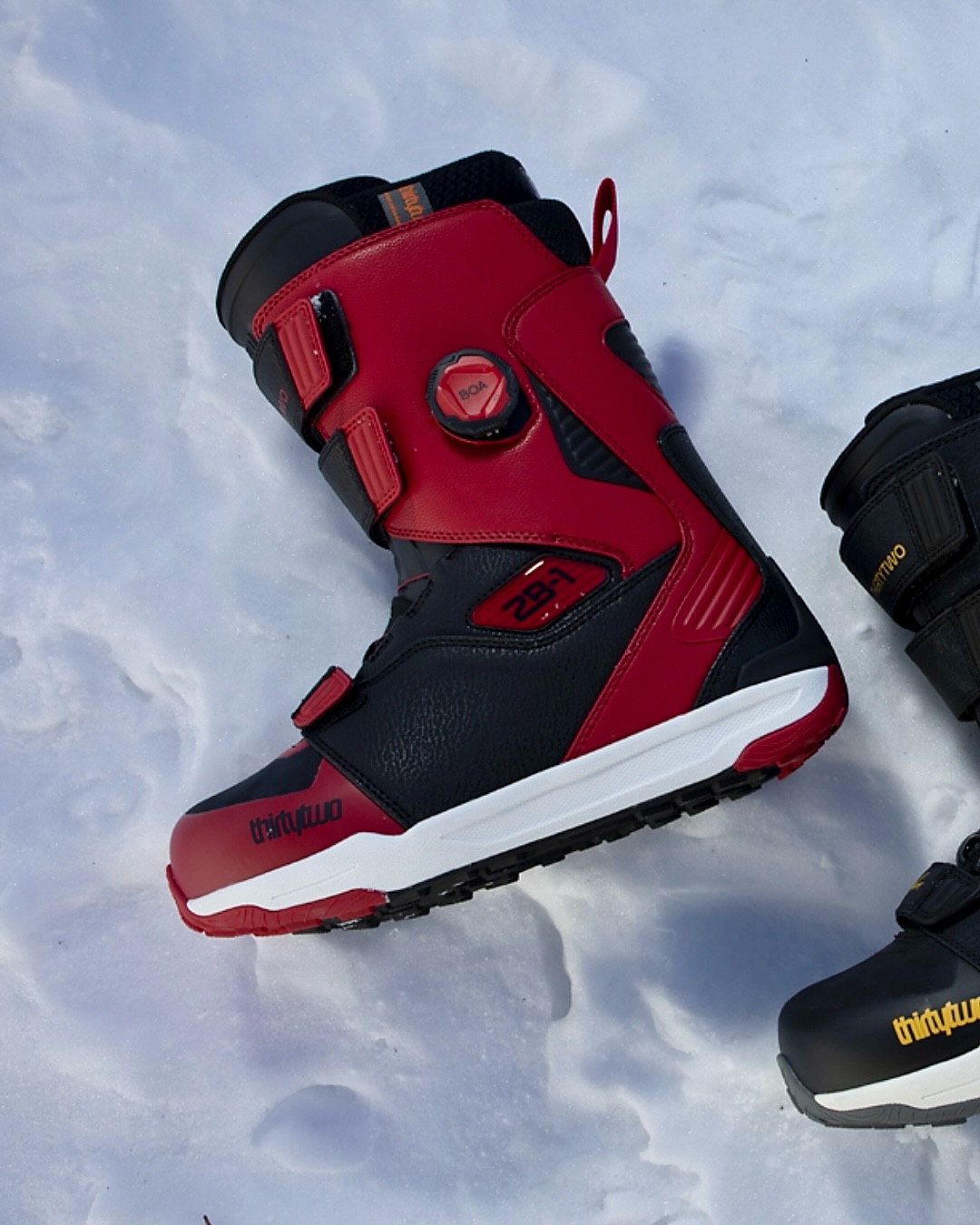
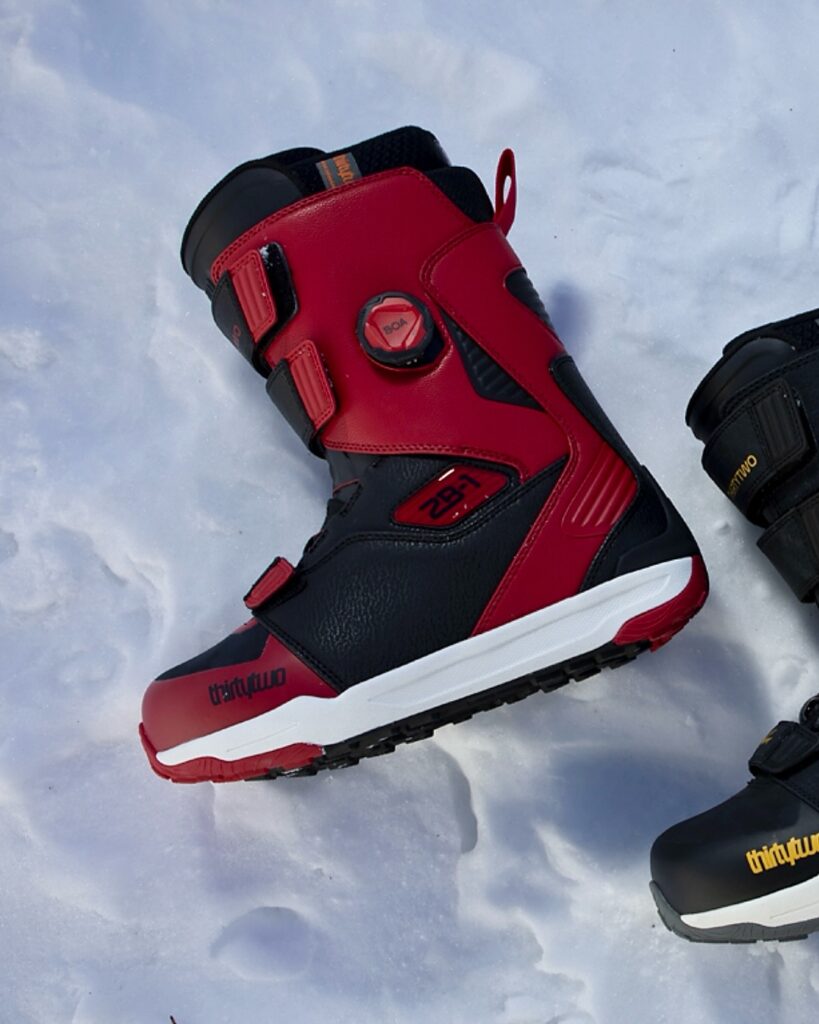
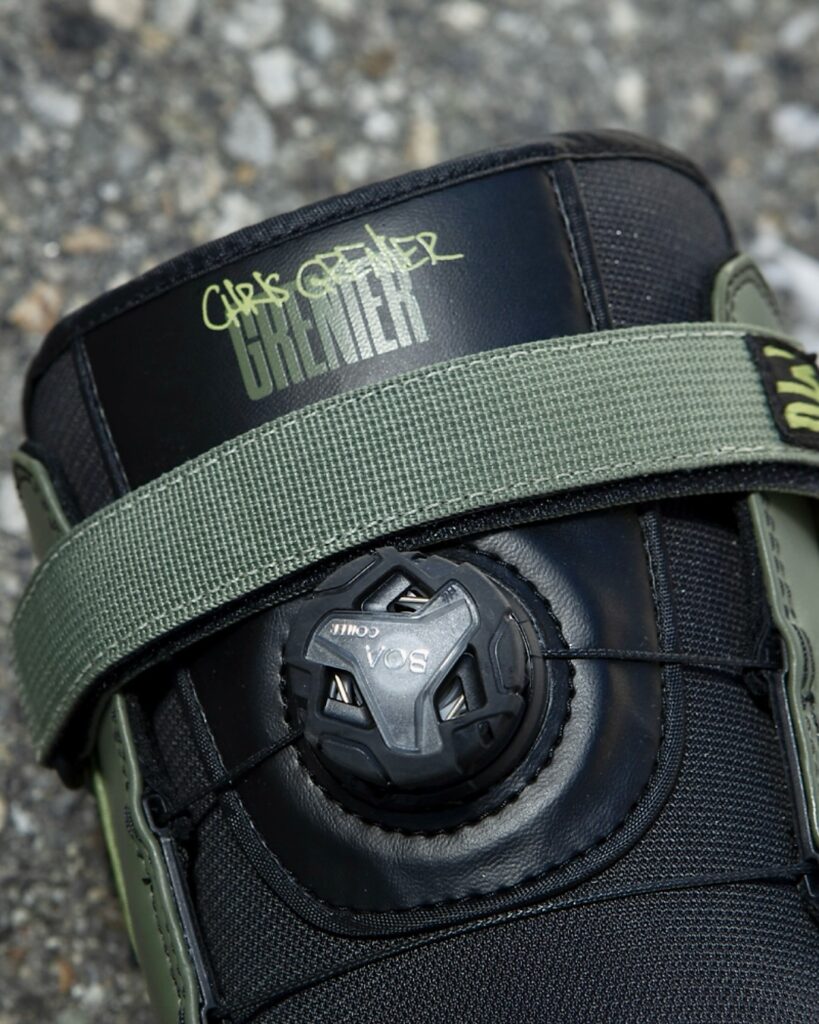
Modern snowboard boots come with different lacing systems, each offering distinct advantages. Traditional laces provide a customizable fit and are easy to repair. Speed-lacing systems allow for quick tightening with separate zones for upper and lower foot support. Boa systems offer precise adjustment through a dial mechanism and are popular for their convenience and consistency.
The best choice depends on personal preference and how much adjustability you want during the day. Many riders value the ability to fine-tune fit on the mountain, especially as feet swell over time.
Comfort, Insulation, and Boot Liners
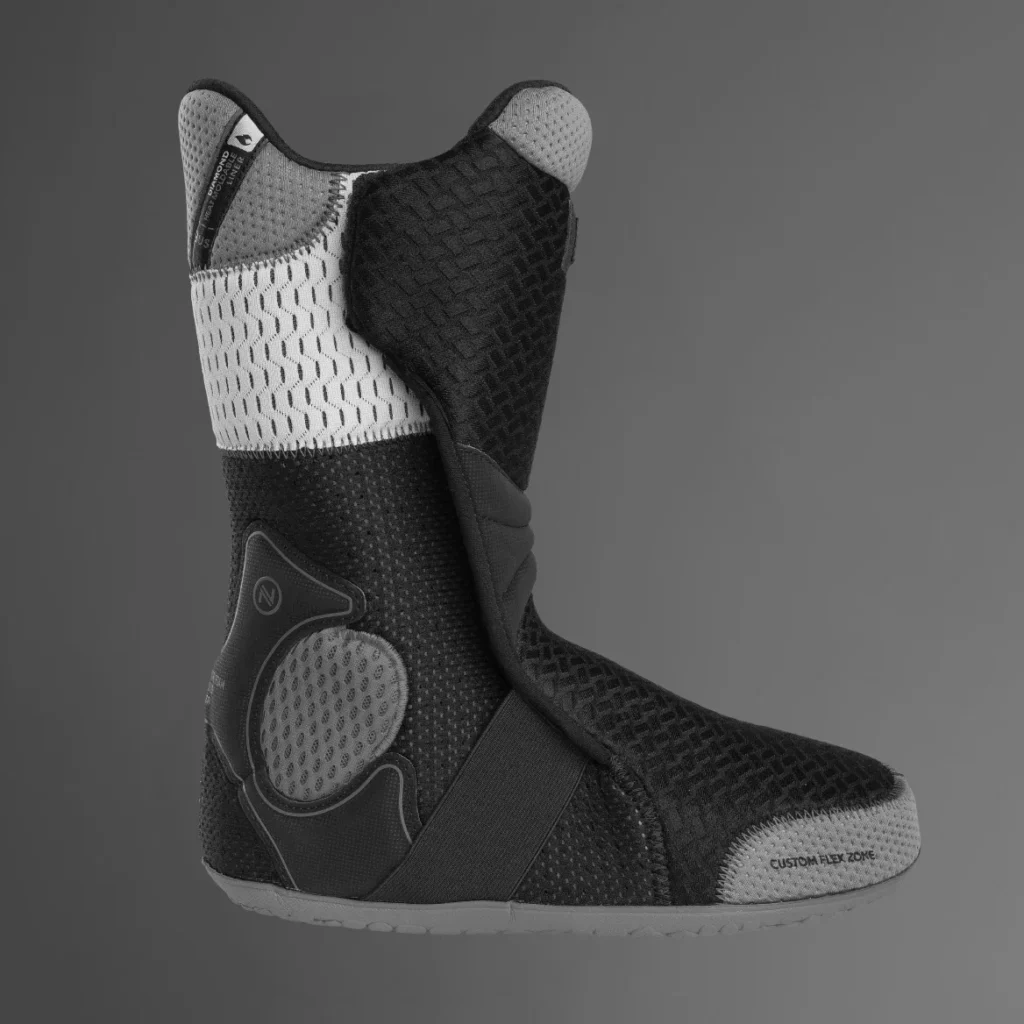
Comfort goes beyond fit. Boot liners play a crucial role in warmth and support. Heat-moldable liners, commonly recommended in premium models, adapt to the shape of your foot for a more personalized fit. Insulation levels also vary depending on riding conditions, with colder climates requiring enhanced thermal protection.
Breathability and moisture management are additional factors often highlighted in buying guides, as dry feet contribute significantly to overall comfort.
Compatibility With Bindings and Riding Conditions
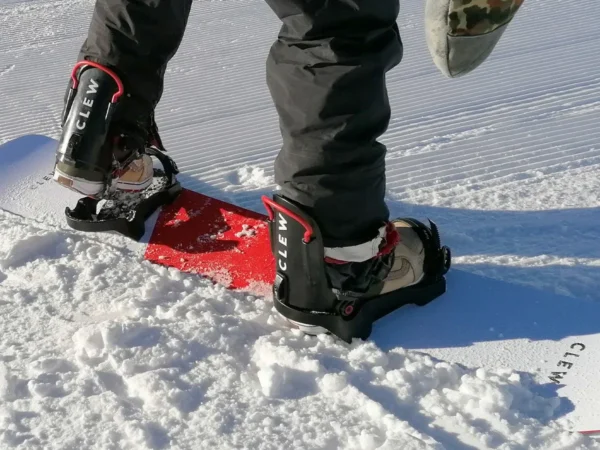
Snowboard boots are designed to work with standard snowboard bindings, but stiffness and sole construction can affect how they interact with your setup. A balanced boot-to-binding combination ensures optimal control and responsiveness.
Riders who spend most of their time on groomed slopes may prioritize comfort and medium flex, while those exploring backcountry or steep terrain often benefit from stiffer, more supportive boots.
Making the Right Choice Online
When buying snowboard boots online, product descriptions, size charts, and customer reviews are valuable tools. Many e-commerce sites also offer fit guides and return policies to help customers find the right model without risk.
Taking the time to understand your riding style, foot shape, and performance expectations will significantly improve your buying decision.
Top Snowboard Boot Brands to Know
When choosing snowboard boots, it helps to be familiar with the leading brands shaping the market. Established companies such as Burton, Salomon, ThirtyTwo, and DC Shoes are known for offering a range of boots that cater from beginner to expert levels. Burton, a long-time industry leader, is often praised for its innovative designs and extensive fit options. Salomon blends performance with comfort, frequently earning top reviews for freeride and all-mountain models. ThirtyTwo specializes in boots that appeal to freestyle and park riders, with emphasis on flexibility and board feel. DC Shoes delivers a balance between durability and versatile performance, making them a popular choice across skill levels. Other respected brands like K2, Vans, and Flow also contribute unique technologies and fit philosophies, further expanding options for riders looking to match boots to their specific style.
Snowboard boots should feel snug without causing pain. Toes should lightly touch the front when standing and pull back slightly when flexing into a riding stance.
Not necessarily. Stiffer boots offer more control and responsiveness but are best suited for advanced riders. Softer boots are more forgiving and comfortable for beginners and freestyle riders.
It is better to use foot length in centimeters and brand-specific size charts, as snowboard boot sizing can vary between manufacturers.
There is no universal best system. Traditional laces offer adjustability, speed-lace systems provide convenience, and Boa systems allow precise micro-adjustments.
With regular use, snowboard boots typically last between 80 and 150 riding days, depending on riding style, boot quality, and maintenance.
New boots may feel snug, but they should not cause pain. Heat-moldable liners will adapt over time, improving comfort after a few sessions.