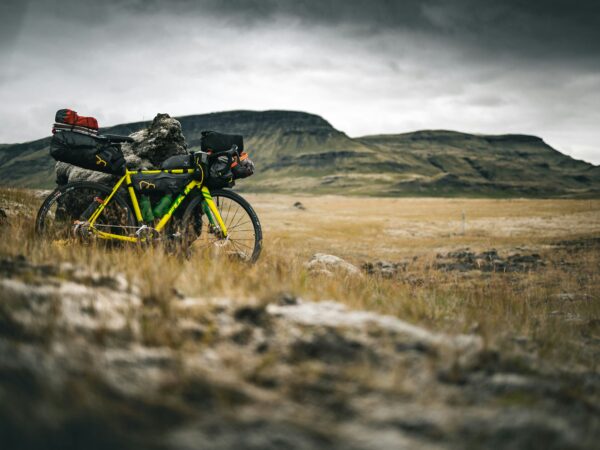
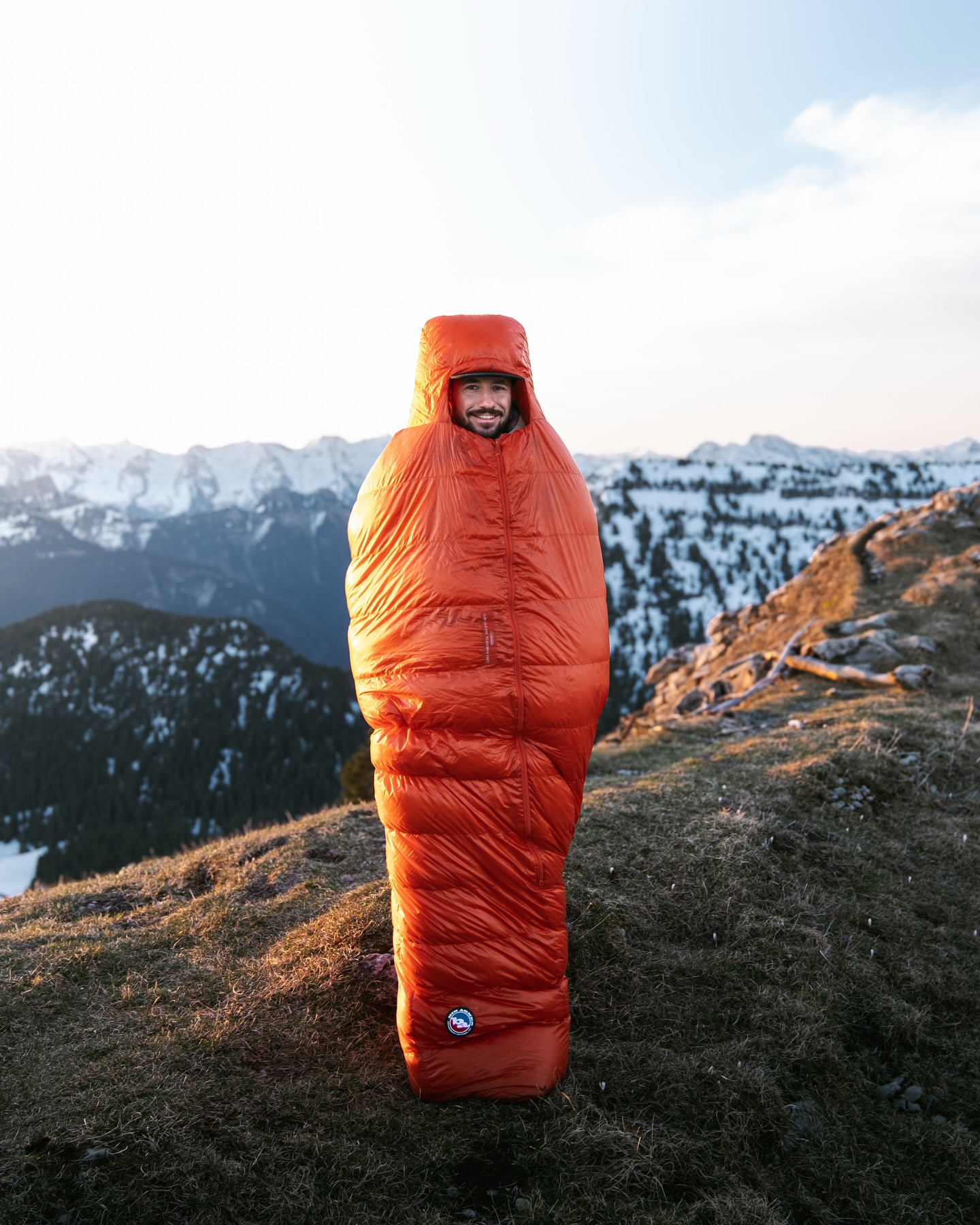
When we talk about bivouac, we are referring to sleeping outdoors with minimal shelter, often without a tent, and relying entirely on our gear for warmth and protection. In English, this practice overlaps with what is more commonly called backpacking, overnight wilderness camping, and increasingly, bikepacking.
While these disciplines differ in rhythm, terrain, and how equipment is carried, they share the same core requirement: a dependable sleeping system that balances warmth, weight, and packability. Over the years, we have tested sleeping bags on multi-day backpacking routes, exposed bivouacs at altitude, and long bikepacking journeys where weather resistance and durability become critical. This experience shapes how we approach sleeping bag selection.
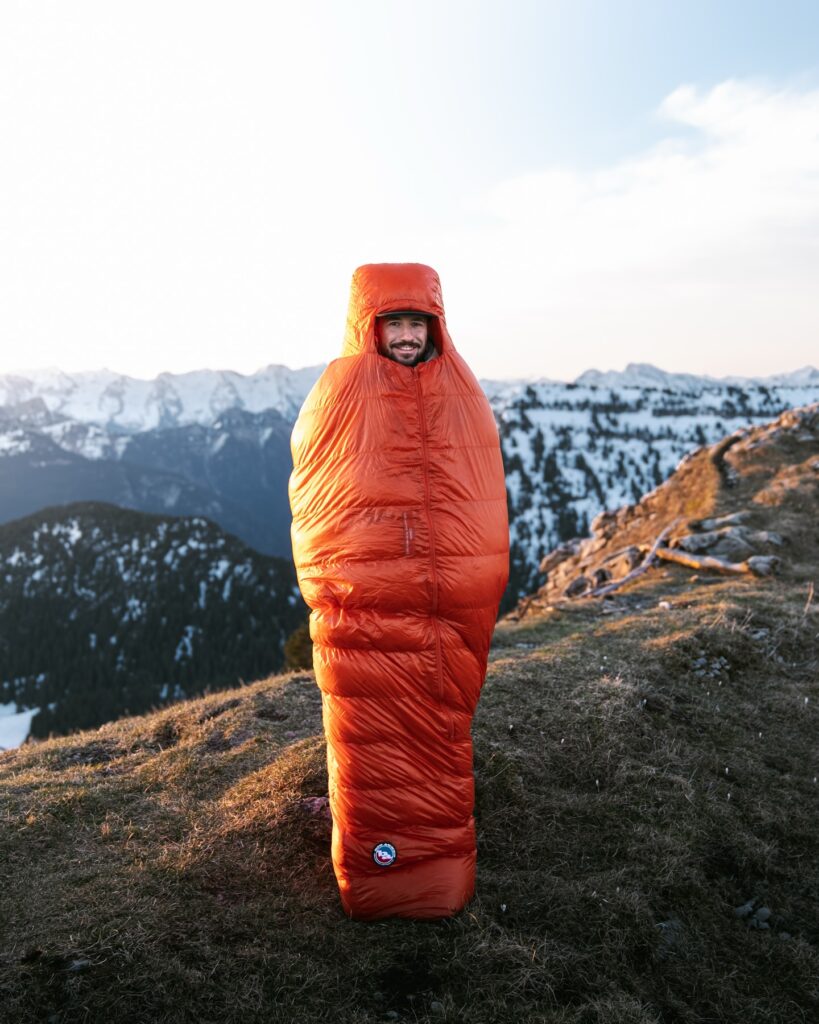
What a Sleeping Bag Does in a Backpacking or Bikepacking Setup
A sleeping bag does not generate heat. Its role is to preserve the warmth produced by the body by trapping a stable layer of air around it. The effectiveness of this process depends on insulation quality, construction, and how well heat loss is limited — particularly from the ground and through air movement.
Whether our gear is carried on our backs or strapped to a bike, the underlying principle remains the same: air is the insulator, and the sleeping bag’s job is to manage it efficiently.
Choosing the Right Insulation
Down insulation remains our reference for backpacking and alpine bivouac. It offers an unmatched warmth-to-weight ratio and compresses extremely well, which is essential when volume is limited. When properly maintained, a down sleeping bag can also deliver consistent performance over many years.
That efficiency comes with constraints. Down is sensitive to moisture and demands careful handling, which is why we tend to favor it when weather conditions are predictable or when we can protect it effectively.
Synthetic insulation fills a different role. While bulkier and heavier, it continues to insulate when damp and dries quickly. For bikepacking, where sleeping bags are often exposed to condensation, road spray, or repeated compression, this reliability can outweigh the penalty in weight.
In practice, our choice often comes down to context:
- Backpacking and alpine bivouac: down for its efficiency and packability
- Bikepacking and wet climates: synthetic for consistency and resilience
- Mixed or year-round use: hybrid constructions that manage moisture more strategically
Understanding Temperature Ratings in Real Conditions
Temperature ratings are useful reference points, but only when interpreted correctly. We mainly rely on the comfort rating, which indicates the temperature at which we can sleep relaxed and warm. The limit rating marks the threshold where sleep is still possible but less forgiving, while the extreme rating should be seen strictly as a survival value.
For both backpacking and bivouac, we always choose a sleeping bag with a comfort rating below the lowest temperature we expect. In bikepacking, where physical fatigue accumulates quickly and recovery is essential, this margin becomes even more important.
Several factors influence how cold we feel at night, including:
- wind exposure
- humidity and condensation
- altitude
- calorie intake and fatigue
No temperature rating can fully account for these variables, which is why we always plan conservatively.
Sleeping Bag Shapes and Thermal Efficiency
Shape plays a major role in how efficiently a sleeping bag retains heat. Rectangular sleeping bags provide space and freedom of movement, but they retain warmth poorly and are rarely our choice for backpacking or minimalist bivouac. They can, however, make sense for relaxed bikepacking trips where comfort takes precedence over weight.
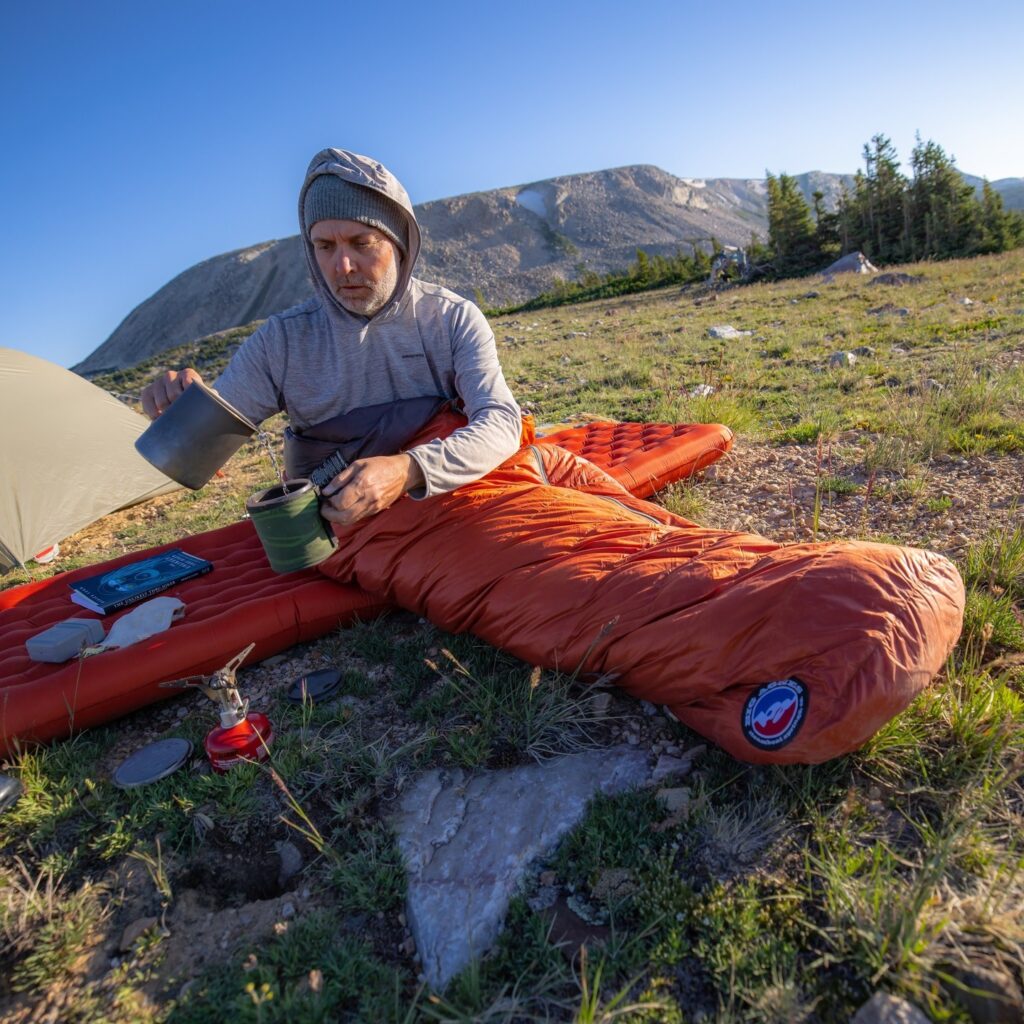
Mummy-shaped sleeping bags are our default option for most scenarios. Their tapered design reduces dead air space, improves thermal efficiency, and keeps overall weight under control. This balance makes them particularly versatile when conditions are uncertain.
Quilts and other minimalist systems appeal to experienced users looking to reduce weight even further. By eliminating insulation underneath the body, they rely heavily on the sleeping pad for warmth. When used correctly, they can be highly effective, but they require careful campsite selection and a solid understanding of thermal management.
Fit and Internal Volume
Fit is often underestimated, yet it plays a critical role in warmth. Excess internal volume means more air to heat, which leads to faster heat loss. When choosing a sleeping bag, we look for a balance: enough room to avoid compressing insulation, especially around the feet, but not so much space that warmth is diluted.
This applies equally to backpacking and bikepacking. How the bag is transported matters far less than how it fits once you’re inside it.
Construction Details That Matter Over Time
After long days outdoors, small design details become very noticeable. Zipper quality, draft protection, and hood construction all influence comfort and heat retention. We pay particular attention to:
- smooth, anti-snag zippers with insulated baffles
- well-designed hoods that seal effectively around the head
- draft collars that limit heat loss around the neck
Internal pockets for electronics or headlamps may seem secondary, but they become valuable when temperatures drop and battery performance suffers.
Accessories as Part of the Sleep System
A sleeping bag rarely works in isolation. Liners help with hygiene, add a small amount of warmth, and extend the lifespan of the bag itself. Bivy bags provide additional protection from wind, dew, and light precipitation when sleeping without a tent, improving both comfort and thermal efficiency.
Just as important is insulation from the ground. A sleeping pad is not optional — it is a fundamental part of the sleep system. Without it, even the best sleeping bag will fail to perform as intended.
Care, Storage and Longevity
We treat sleeping bags as long-term equipment rather than disposable gear. Proper care involves gentle washing with appropriate detergents, thorough air drying, and loose storage when not in use. These habits preserve loft and insulation performance, ensuring reliable warmth season after season.
Our Approach to Choosing a Sleeping Bag
Whether we are backpacking through the mountains, sleeping out during a minimalist bivouac, or covering long distances by bike, our priorities remain consistent. We look for a sleeping bag that delivers real-world warmth, balances weight with durability, fits efficiently, and integrates seamlessly into a complete sleep system.
Backpacking, bivouac, and bikepacking may differ in form, but at night, the fundamentals are the same. A well-chosen sleeping bag is not about excess — it is about confidence, recovery, and waking up ready for the next day outdoors.