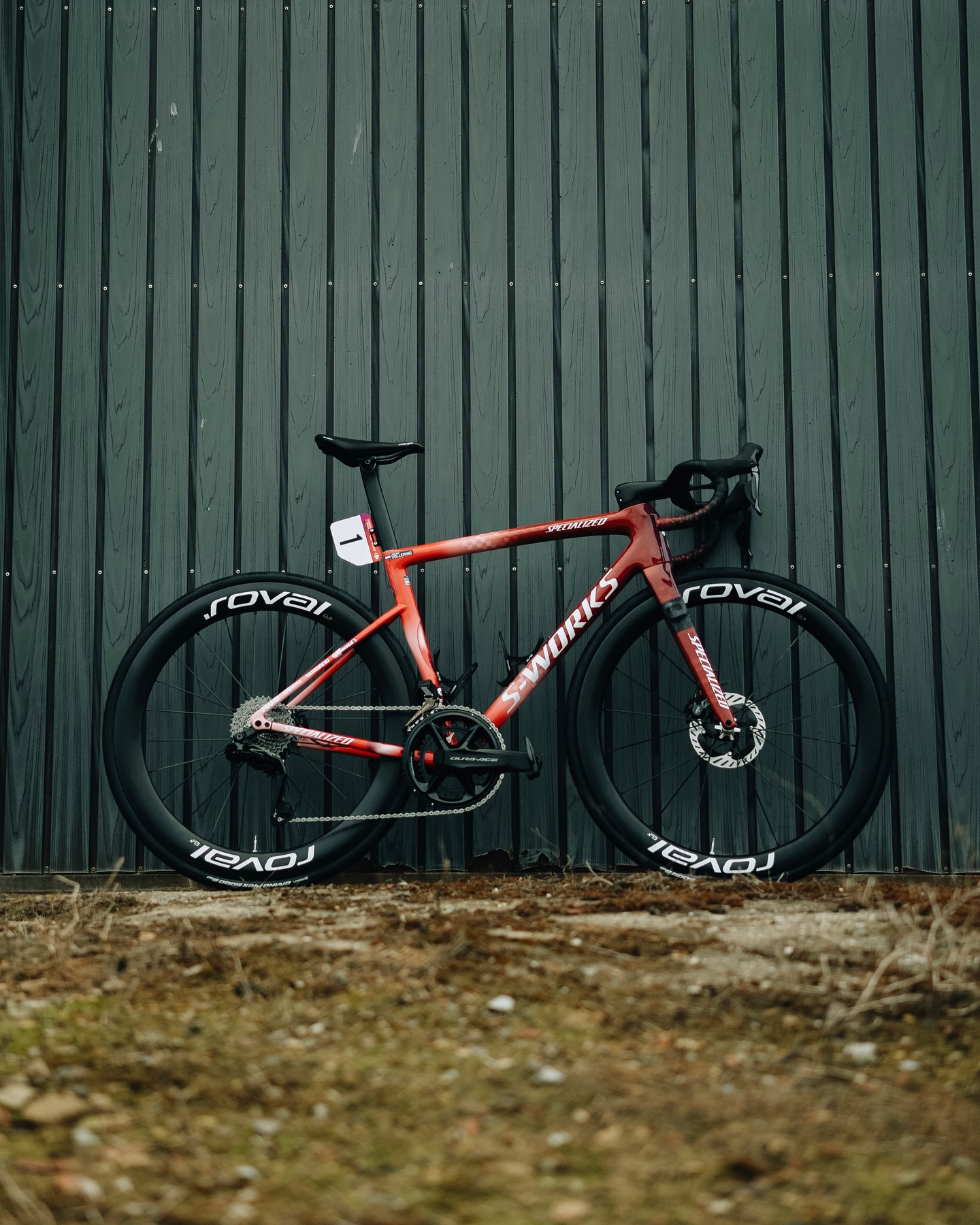
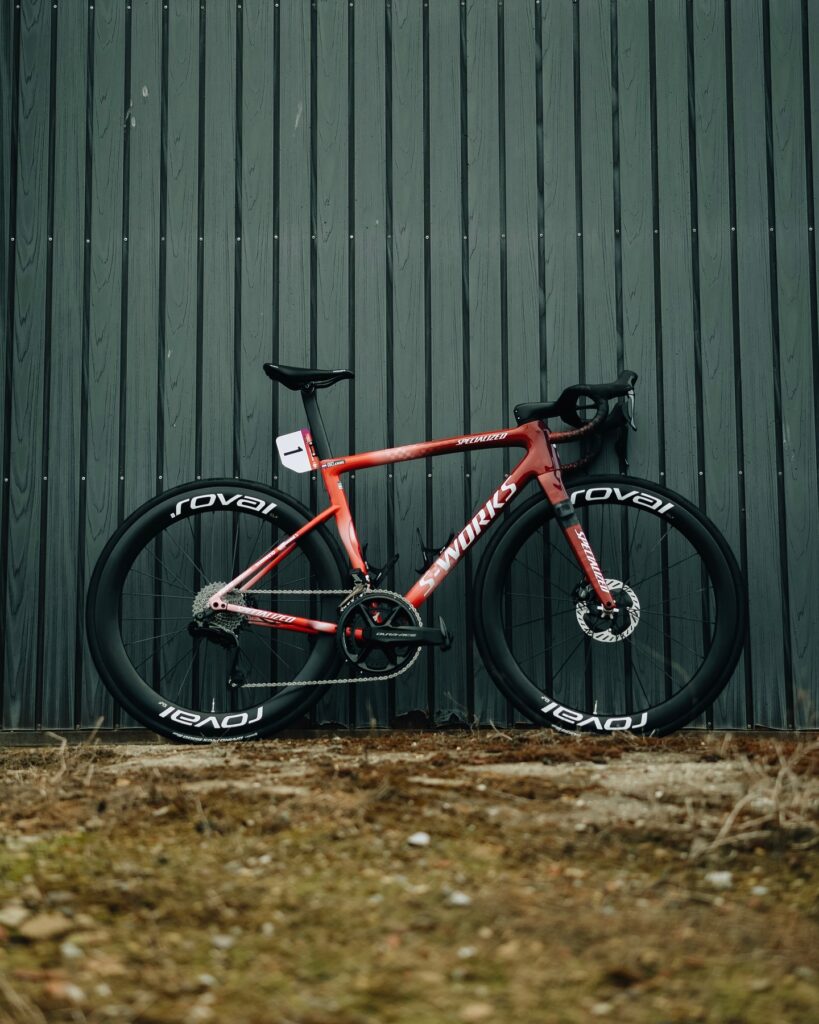
From a small California startup to a global cycling powerhouse — Specialized has spent five decades proving that innovation, performance, and passion can coexist in a single bicycle.
I have ridden a lot of bikes. Cheap bikes, expensive bikes, ugly bikes, beautiful bikes. But few brands have made me stop mid-ride and think: « This is exactly what a bicycle should feel like. » Specialized is one of them. And after years of covering the cycling industry, I can say with confidence that the brand’s reputation is not just marketing — it is earned, pedal stroke by pedal stroke.
The Origin Story: How Specialized Was Born in 1974
Specialized Bicycle Components was founded in 1974 by Mike Sinyard, a young cycling enthusiast who had sold his van to fund a trip to Italy — and came back with a suitcase full of Italian bicycle components he planned to import and sell. That entrepreneurial instinct, born out of genuine passion rather than corporate strategy, would define the company’s DNA for the next fifty years.
Based in Morgan Hill, California, Specialized quickly moved from importing parts to designing its own products. In 1981, the brand launched what many consider the first mass-produced mountain bike available to everyday consumers: the Stumpjumper. That single model changed the cycling industry forever. It democratized off-road riding, introduced millions of riders to trail cycling, and cemented Specialized’s identity as a brand willing to bet on the future.
In my opinion, this founding story matters more than people realize. Specialized was not created by an investment firm looking for a profitable niche. It was built by someone who genuinely loved cycling — and that obsession is still visible in every product the company releases today.
A Legacy of Innovation: Racing, Engineering and the Pursuit of Speed
Specialized’s commitment to performance has always been backed by serious investment in research and development. The brand operates its own innovation center — the Specialized Win Tunnel — a wind tunnel facility in Morgan Hill used to test aerodynamic performance across all product categories. Very few cycling brands in the world can claim the same level of in-house engineering capability.
On the road, the Tarmac SL series has become one of the most decorated racing platforms in the peloton. Riders on Specialized bikes have won the Tour de France, the Giro d’Italia, multiple Monument Classics, and World Championship titles. The brand’s relationship with professional racing is not a sponsorship arrangement — it is a genuine testing ground where real-world feedback shapes the development of future products.
On the trail, Specialized’s S-Works Stumpjumper and Epic models have dominated cross-country and enduro racing for years, winning world titles and earning the respect of the most demanding mountain bike athletes on the planet.
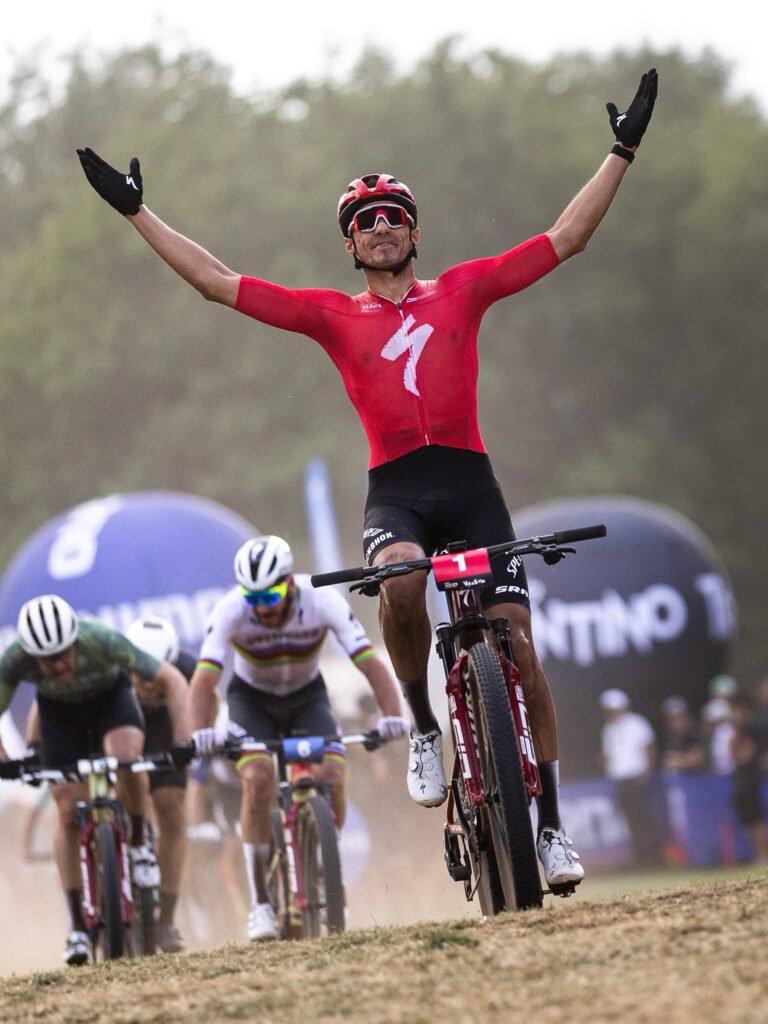
From my perspective as someone who has tested many of these bikes firsthand: the performance gap between a Specialized flagship model and the competition is real. It is not always enormous, but it is consistently present. Engineers at Specialized seem to lose sleep over grams saved and watts preserved — and riders feel the result.
The Full Range: A Bike for Every Rider, Every Road, Every Trail
What distinguishes Specialized from many of its competitors is the sheer breadth of its product line. Whether you are a weekend gravel adventurer, a serious road racer, a casual urban commuter, or a hardcore enduro mountain biker, Specialized has engineered a bicycle specifically for your needs.
Key product lines include:
Tarmac SL8 & Allez: Specialized’s road racing flagships. The Tarmac SL8 in particular rewrote the rule book on what an all-round race bike should weigh and how it should handle.
Diverge: The gravel line that helped popularize the category itself. Versatile, durable, and capable of crossing terrain that would end most road bikes.
Stumpjumper & Epic: The mountain bike range that started a revolution. Still among the most respected trail and XC bikes available.
Turbo Series: Specialized’s electric bike lineup, combining the brand’s performance heritage with modern e-bike technology for road, mountain, and urban categories.
This range depth is not accidental. It reflects a deliberate strategy to serve cyclists at every stage of their journey — from the first bike to the race-winning machine. Few brands execute this strategy as consistently as Specialized does.
Why Cyclists Love Specialized: More Than Just a Bike Brand
Specialized’s appeal goes beyond technical specifications. The brand has built something rarer than a good product — it has built a genuine community. The Specialized Rider Care program, the global network of Specialized concept stores, and the brand’s deep involvement in cycling advocacy all contribute to a relationship with customers that extends well beyond the point of sale.
The Body Geometry fit philosophy is worth highlighting here. Specialized has invested decades into understanding how the human body interacts with a bicycle. Their saddle and footbed technology, developed in collaboration with medical professionals and biomechanics experts, has genuinely helped thousands of riders overcome pain and discomfort. This is not a marketing gimmick — it is a differentiating philosophy that other brands are still trying to replicate.
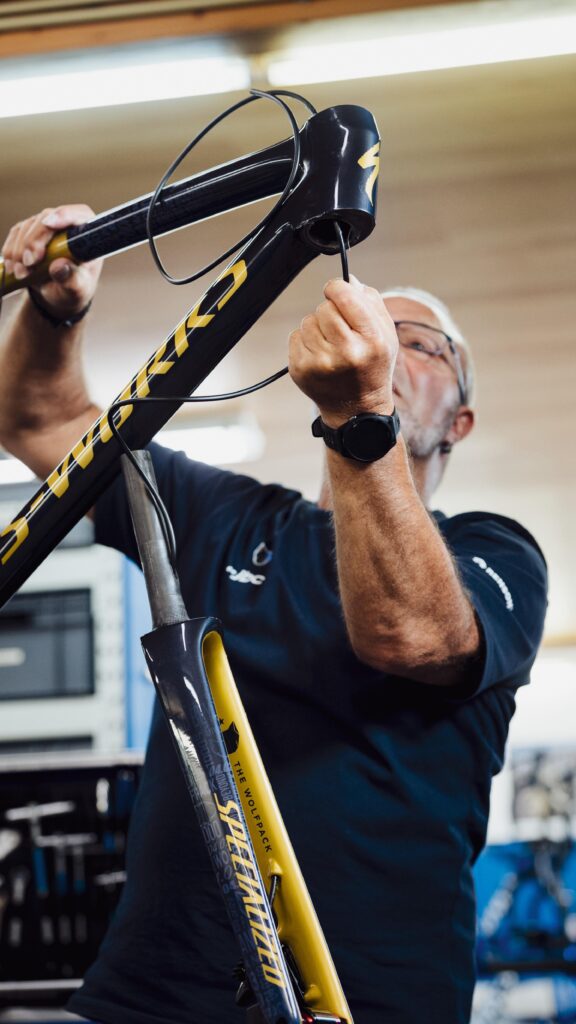
I have interviewed dozens of cyclists about their brand loyalty over the years. Specialized riders, more than almost any other group, tend to express their brand allegiance in terms of trust. They trust that the bike was designed with their performance in mind. That trust, once earned, is remarkably durable.
Specialized’s Sustainability Commitments: Pedaling Toward a Better Future
In recent years, Specialized has become increasingly vocal about its environmental responsibilities. The brand has set concrete targets around carbon footprint reduction, is investing in more sustainable manufacturing processes, and has been expanding its Turbo electric bike range as a genuine alternative to car commuting.
This matters to modern cyclists. The rider demographic has shifted. Today’s Specialized customer is often highly educated, environmentally conscious, and looking for a brand whose values align with their own. Specialized has recognised this shift and responded with substance, not just slogans.
Is a Specialized Bike Worth the Investment?
The honest answer is: usually, yes. Specialized bikes are not the cheapest option in any category. An entry-level Allez starts at several hundred euros; a top-tier Tarmac SL8 S-Works can exceed ten thousand. But value is not the same as price.
What Specialized consistently delivers is a high return on investment in terms of ride quality, component longevity, resale value, and the backing of a global support network. Buying a Specialized bike means buying access to one of the most professional dealer networks in the industry, a comprehensive warranty program, and a brand that will still exist and support your bicycle in five years.
My personal view: if you are serious about cycling — at any level — and you are deciding where to spend your budget, Specialized deserves to be at the top of your shortlist. Not because of the red logo. Because of what’s behind it.

A Brand Built to Last
Specialized Bicycle Components has spent fifty years doing something remarkably difficult: staying at the forefront of a competitive, fast-evolving industry while remaining true to its founding values. That balance of innovation and authenticity is what separates great brands from good ones.
Whether you ride for fitness, for competition, for adventure, or simply for the joy of turning pedals under an open sky, Specialized has engineered something for you. And it has engineered it with a level of care and precision that, in my experience, consistently rises above the noise of an increasingly crowded market.
The best bike brands make you want to ride more. Specialized, more than almost any other, has always done exactly that.