
Trail running places unique demands on the body. Steep climbs, technical terrain and long hours on the trails significantly increase energy expenditure compared with road running. Without a proper nutrition and hydration strategy, runners may experience fatigue, cramps, digestive issues or the dreaded “bonk.”
Understanding how to manage nutrition and hydration in trail running is therefore essential for maintaining performance and enjoying long days on the trails. From preparing your body before the race to fueling during the effort and optimizing recovery afterwards, a well-structured strategy can make a decisive difference.
This guide explains the fundamentals of trail running fueling, combining practical recommendations with physiological principles to help runners build a sustainable nutrition plan.
Why Nutrition and Hydration Are Critical in Trail Running
Trail running is an endurance sport where energy management becomes a key factor in performance. Unlike shorter efforts, trail races and long training runs can last several hours or even an entire day.
During prolonged exercise, the body primarily relies on glycogen, the carbohydrate stored in muscles and the liver. However, these reserves are limited and can be depleted after approximately 90 minutes of sustained effort. Once glycogen stores are exhausted, energy levels drop dramatically and performance declines.
Proper fueling helps prevent this energy deficit. During endurance activities, athletes are typically advised to consume 30 to 60 grams of carbohydrates per hour, with higher amounts sometimes used during very long races.
Hydration is equally important. Dehydration can quickly impair endurance, concentration and thermoregulation. Trail runners generally need around 400 to 800 ml of fluids per hour, depending on weather conditions, terrain and individual sweat rate.
Because trail running often takes place in remote environments, runners must carefully plan their intake of water, electrolytes and calories.
Preparing Your Nutrition Strategy Before the Run
Fueling for a trail run actually begins well before the start line. In the days leading up to a race or long run, maintaining a balanced diet rich in carbohydrates helps build glycogen reserves.
Hydration should also be gradually optimized. In the days preceding an event, many experts recommend drinking around 1.6 to 2 liters of water per day, distributed evenly throughout the day to maintain optimal hydration levels.
On race day, pre-run nutrition should focus on easily digestible carbohydrates while avoiding foods that may irritate the stomach.
Typical pre-run recommendations include:
- Consuming a carbohydrate-rich meal two to three hours before the start
- Limiting fiber and fat to reduce digestive stress
- Drinking approximately 350–500 ml of fluid before the start depending on body weight
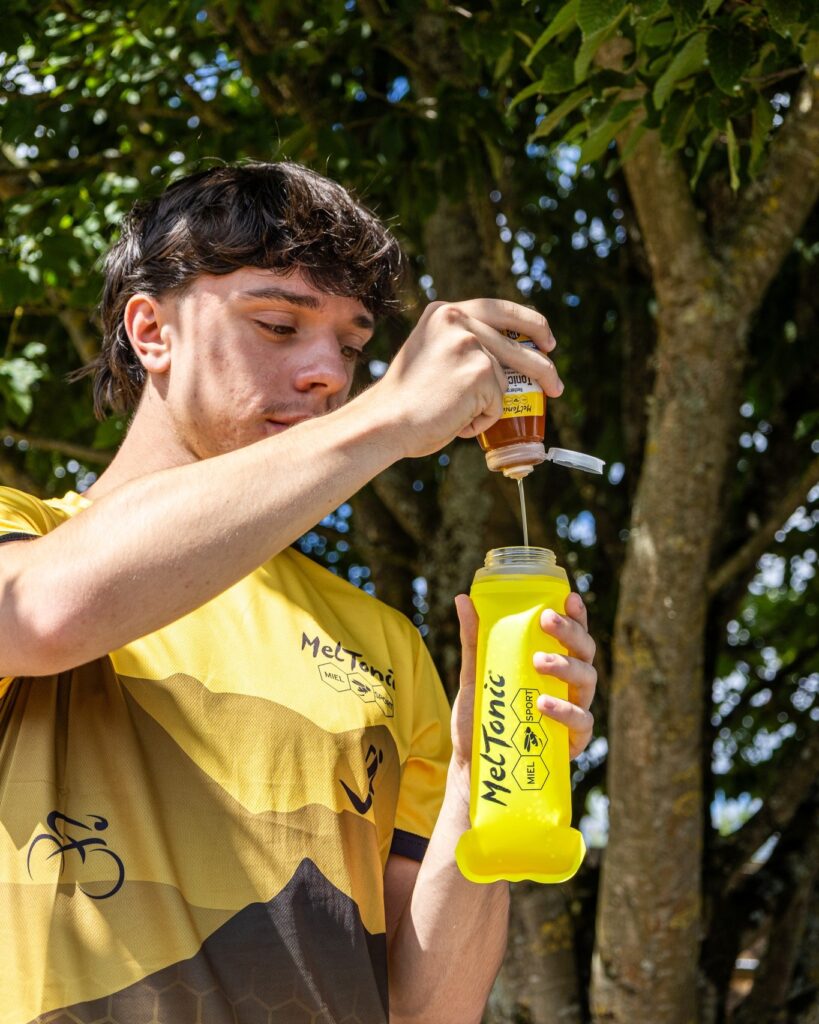
Many trail runners opt for foods such as oatmeal, toast with honey, bananas or energy bars. The goal is to provide a stable source of energy without overloading the digestive system.

Fueling During a Trail Run
Once on the trail, maintaining a steady intake of calories and fluids becomes essential. Unlike shorter runs, long trail sessions require runners to eat and drink regularly throughout the effort.
Carbohydrates: the primary energy source
Carbohydrates remain the most efficient fuel during endurance exercise. For trail runs longer than 90 minutes, a common recommendation is to consume 30 to 60 grams of carbohydrates per hour, increasing to 60–90 grams for very long efforts.
Trail runners typically rely on a mix of portable energy sources:
- energy gels
- isotonic drinks
- energy bars
- fruit purées
- dried fruits
Varying textures and flavors can help avoid digestive fatigue and nausea during long efforts.
Hydration: drink early and regularly
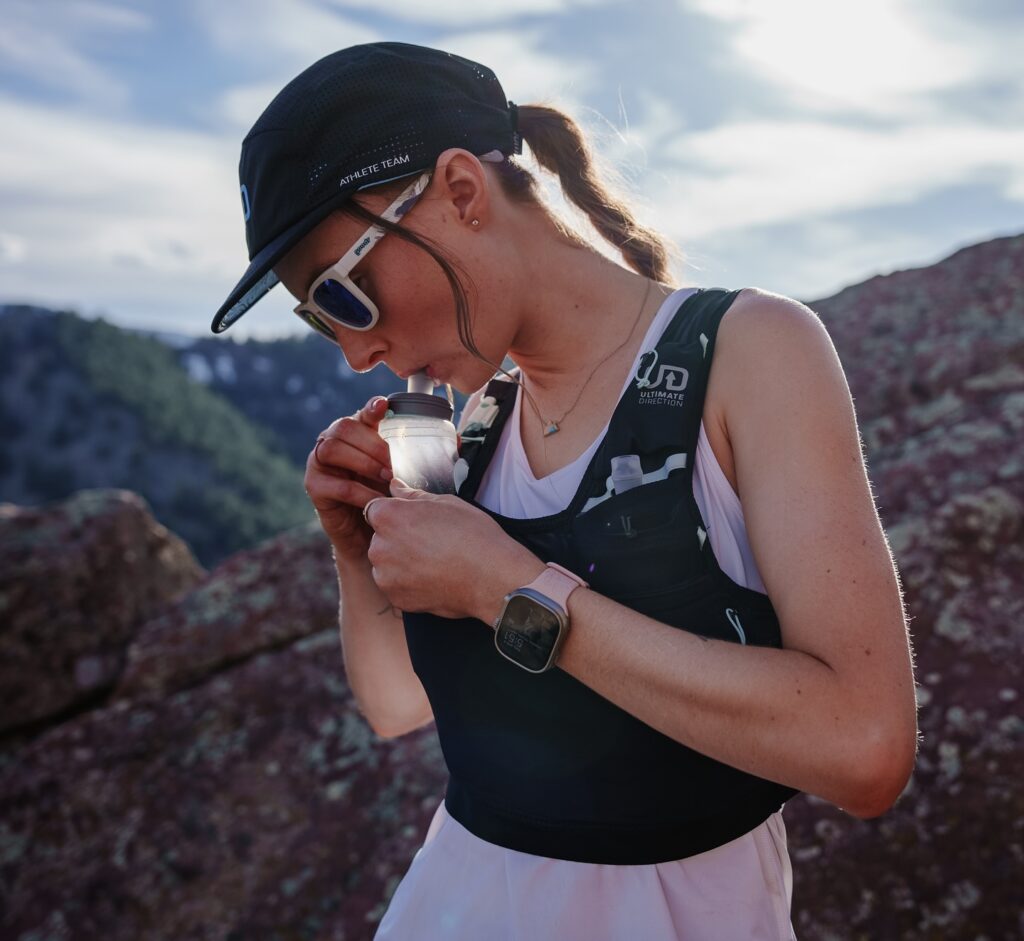
Hydration should never be left to chance. Rather than drinking large quantities at once, most specialists recommend taking small sips every 10 to 20 minutes.
A typical hydration target during trail running is:
- 500 to 750 ml of fluid per hour,
- up to 1 liter per hour in hot conditions.
Fluids should ideally contain electrolytes to compensate for mineral losses caused by sweat. Sodium is particularly important, with many endurance athletes aiming for 500–700 mg of sodium per hour during long races.
Electrolyte drinks or tablets can help maintain fluid balance and reduce the risk of cramps or hyponatremia.
Adapting Nutrition to Trail Running Conditions
One of the defining characteristics of trail running is its variability. Terrain, elevation and climate can significantly affect nutritional needs.
Hot weather increases sweat rate and therefore fluid requirements. In these conditions, runners may need to increase their hydration intake and pay closer attention to electrolyte consumption.
Cold weather presents a different challenge. Because thirst sensations decrease in low temperatures, runners may unintentionally under-hydrate. Maintaining a regular drinking routine is therefore essential even in cold environments.
Elevation and steep climbs also influence energy consumption. Long climbs increase metabolic demand and may require slightly higher carbohydrate intake to maintain pace and endurance.
Recovery Nutrition After a Trail Run
Recovery begins as soon as the run ends. Replenishing glycogen stores and supporting muscle repair is essential to prepare the body for future training sessions.
Within the first 30 minutes after finishing a run, athletes are often advised to consume a snack combining carbohydrates and protein. This helps accelerate glycogen resynthesis and initiate muscle recovery.
General recovery recommendations include:
- approximately 1 g of carbohydrates per kilogram of body weight after the run
- about 0.3 g of protein per kilogram within the first hours of recovery
Hydration should also continue after exercise in order to replace fluids and electrolytes lost through sweat.
A balanced meal a few hours later—typically combining carbohydrates, protein and healthy fats—will complete the recovery process.
Common Nutrition Mistakes in Trail Running
Even experienced trail runners sometimes struggle with nutrition. Several common mistakes can compromise performance or lead to digestive problems.
Among the most frequent issues:
- waiting until hunger appears before eating
- drinking too little or too late during the run
- consuming unfamiliar products on race day
- neglecting electrolytes during long efforts
Testing nutrition strategies during training is therefore essential. Every runner has different digestive tolerance and sweat rates, so personal experimentation remains the best way to refine a fueling plan.
Managing nutrition and hydration in trail running is both a science and a personal process
While general guidelines provide a useful framework, the optimal strategy varies according to the runner, the distance and environmental conditions.
By planning your fueling strategy before the run, maintaining regular intake during the effort and prioritizing recovery afterwards, you can significantly improve endurance, comfort and performance on the trails.
Trail running rewards preparation. And when your hydration and nutrition strategy is dialed in, you can focus on what truly matters: enjoying the adventure.
FAQ: Trail Running Nutrition and Hydration
How much should you drink during a trail run?
Most runners need 400–800 ml of fluids per hour, although this may increase in hot conditions or during very long runs.
How many calories should you consume per hour in trail running?
Endurance athletes typically consume 30–60 g of carbohydrates per hour, with higher intakes during ultratrail events.
What foods are best during a trail run?
Common options include energy gels, sports drinks, energy bars, dried fruits and fruit purées. These foods provide quick carbohydrates and are easy to carry.
Should you drink electrolytes while trail running?
Yes. Electrolytes help replace sodium lost through sweat and maintain fluid balance, particularly during long or hot runs.