
Gravel cycling has exploded over the past decade. What began as a niche pursuit for adventurous road riders has become the fastest-growing segment in the bicycle industry. With it has come an overwhelming proliferation of brands, each claiming to offer the definitive gravel experience. The truth, as always, is more nuanced — and knowing who actually makes a great gravel bike can save you months of indecision and thousands of euros.
What Makes a Gravel Bike Brand Worth Your Attention?
Before diving into names and models, it is worth understanding what separates a truly excellent gravel bike brand from a merely competent one. The gravel segment demands a unique blend of engineering versatility: a bike must be fast enough on tarmac, composed enough on rough dirt, and comfortable enough for multi-day adventures. Not every manufacturer that builds solid road bikes or capable mountain bikes has managed to crack that formula.
Frame geometry is the most revealing indicator of a brand’s commitment to the discipline. A manufacturer that simply stretches a road geometry to accept wider tyres is not building a gravel bike — it is building a compromise. The brands that deserve your attention have developed dedicated gravel platforms with purpose-built kinematics: longer wheelbases for stability at speed, more relaxed head tube angles, and generous clearances for tyres up to 45 or even 50mm.
Material choices matter too, but perhaps not in the way marketing departments would have you believe. Carbon fibre is not inherently superior to steel or aluminium on gravel. A well-designed steel frame absorbs road buzz in a way that no carbon layup schedule has yet replicated at an affordable price, and chromoly steel remains the material of choice for serious bikepacking expeditions where repairability trumps weight. The best brands offer meaningful choices across materials rather than using carbon as a badge of prestige.
The Role of Component Integration and Ecosystem
One dimension that rarely gets sufficient attention is ecosystem thinking. A brand that designs its gravel bike around a coherent component story — specific tyre clearances tied to particular wheel sizes, internal routing designed for dropper posts and cargo cages, thoughtful placement of mounts — gives the rider a more cohesive experience than one assembling a bike from disparate parts. Shimano GRX has become the de facto groupset standard for most mid-to-high-end gravel bikes, and brands that build around it intelligently rather than as an afterthought tend to deliver a better final product.
Trek and Specialized: The Giants Play the Gravel Game
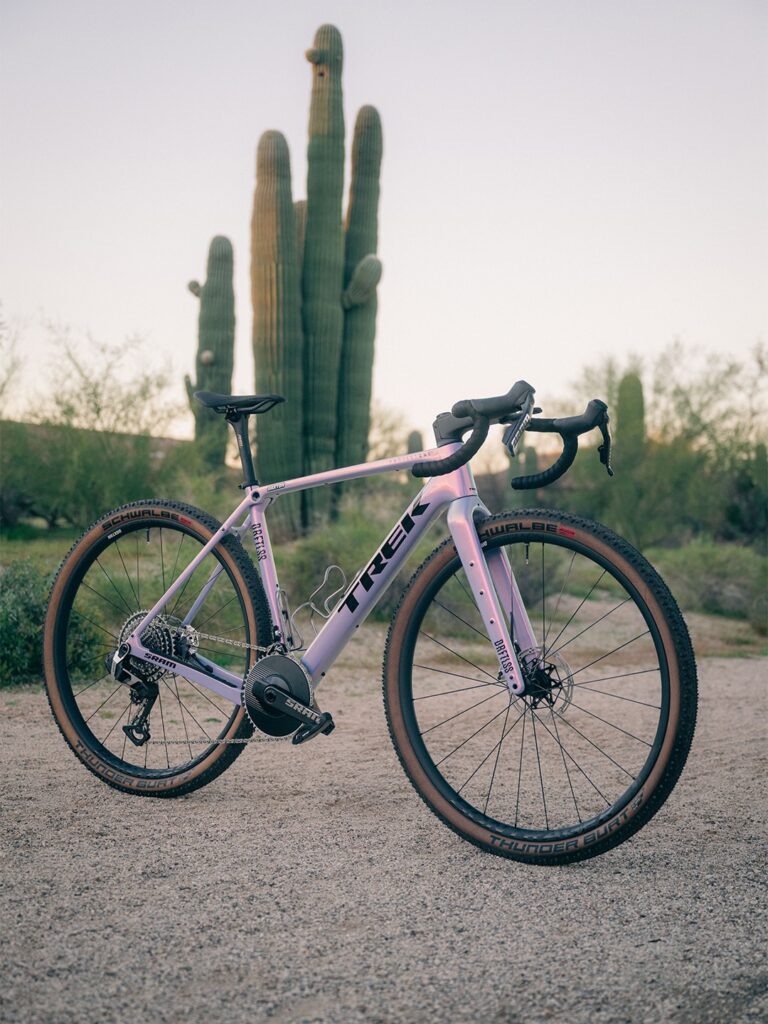
The two biggest names in cycling did not miss the gravel wave, and both have invested seriously in the segment. Trek’s Checkpoint is now a mature platform in its third generation, available in aluminium and carbon variants spanning a wide price range. What sets Trek apart is its consistency: frame quality control is excellent, dealer support is unmatched in most markets, and the IsoSpeed decoupler technology, originally developed for its Domane endurance road bike, translates convincingly to the gravel context by absorbing vertical impacts at the seat tube.
Specialized‘s Diverge tells a different story. The American brand has leaned harder into the adventure end of the gravel spectrum, and its Future Shock suspension system — a small spring cartridge in the head tube — is genuinely innovative, offering 20mm of travel at the front end without the weight and complexity of a suspension fork. The Diverge is not the most neutral-handling gravel bike on the market, but it is arguably the most interesting, and Specialized’s rider customisation programme, Body Geometry, gives it a fitting edge in terms of personalised setup.
The honest caveat: both brands suffer from the premium pricing that comes with operating through an extensive dealer network. You are partly paying for brand infrastructure, and that should be factored into your calculus if you are comparing them with direct-to-consumer alternatives.
Cannondale and Giant: The Underrated Contenders
Cannondale‘s Topstone has developed a passionate following, and rightfully so. The brand’s Kingpin suspension system, which allows the rear triangle to flex independently, is one of the more elegant solutions to rear-end comfort on a rigid frame. In the carbon version especially, the Topstone delivers a ride quality that competes directly with bikes costing significantly more. Giant’s Revolt is less glamorous but no less worthy: the Taiwanese manufacturer’s ability to produce high-quality aluminium frames at scale means the entry-level Revolt models represent some of the best value propositions in gravel cycling. Giant’s in-house component brand, Shimano rival Liv’s women’s range aside, also means buyers get a more vertically integrated product.

Canyon and BMC: The Engineer’s Choices
If you ask a cycling engineer which gravel brands they would buy with their own money, Canyon and BMC come up with remarkable frequency. Both operate from a philosophy of performance above marketing, and both have built genuine reputations in gravel racing as a result.
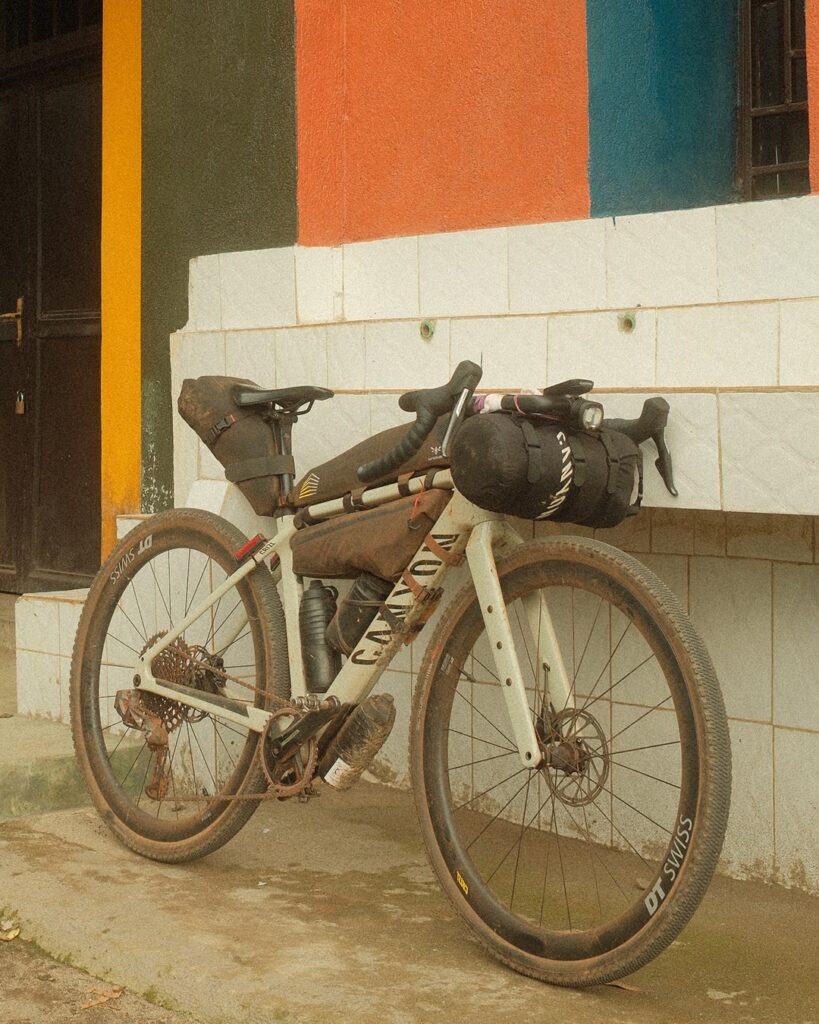
Canyon’s Grail is arguably the most architecturally distinctive gravel bike on the market. Its double-decker handlebar, integrating a secondary stem that bends downward before sweeping back up to the drops, divides opinion aesthetically but delivers a measurable improvement in vibration damping at the hands — one of the key contact points most brands neglect. The Grail is also a remarkably complete racing tool, having been ridden to podiums at major events including Unbound Gravel, the discipline’s unofficial world championship. Canyon’s direct-to-consumer model keeps prices honest, and the German brand has become genuinely competitive on the international market.
BMC’s URS is a quieter proposition but no less impressive. The Swiss manufacturer applies the same obsessive engineering rigour it brings to its road bikes, and the result is a gravel machine that feels unusually planted and precise. BMC does not chase gravel fashion — there are no gimmicks, no excessive mounts, no lifestyle positioning. What you get is a finely calibrated instrument for riders who want to ride fast on mixed terrain and trust their equipment implicitly. The URS is not a cheap bike, and BMC makes no apologies for that.
What About Ribble, Mason, and the European Specialists?
Below the radar of the major brands sits a constellation of European specialists that deserve far more attention than they typically receive in mainstream cycling media. Ribble, the British direct-to-consumer brand, has built a serious gravel range using its in-house carbon frames and an unusually customer-friendly customisation system. The CGR range, available in steel, aluminium, and carbon, covers virtually every type of gravel rider and offers a degree of spec flexibility that larger brands cannot match.
Mason Cycles, also British, occupies a more artisanal position. Its Resolution and Definition models are designed with a fastidiousness about fit and ride quality that reflects founder Dom Mason’s background as a racing cyclist and frame designer. These are not lifestyle objects — they are serious tools built by people who ride hard and think carefully about what that requires. If you want a gravel bike that will still feel right in fifteen years, Mason is worth the conversation.
The Case for Steel: Why Vintage Material Isn’t Going Anywhere
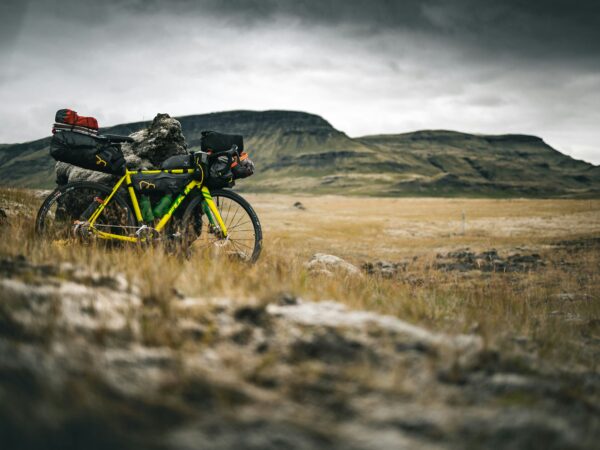
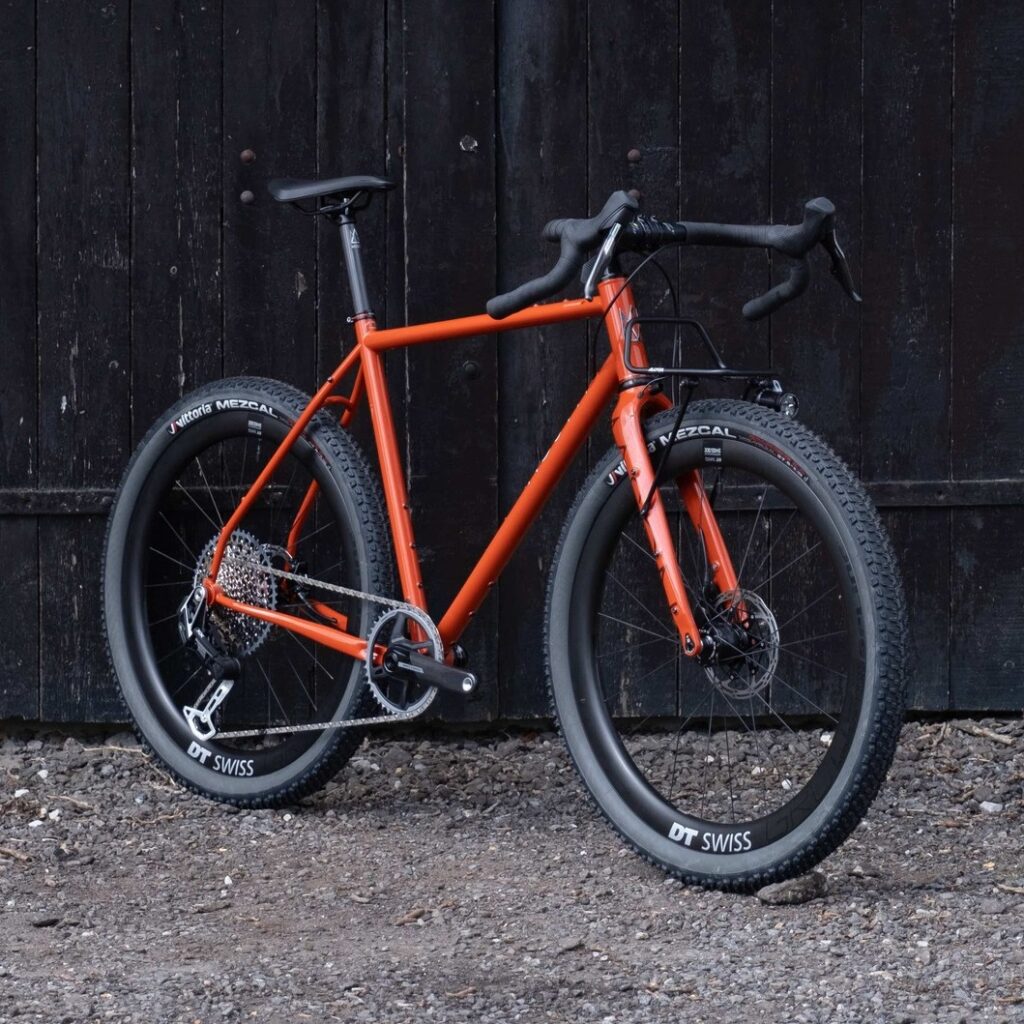
The gravel revival has been one of the most significant events in the history of steel frame building. Brands like Surly, All-City, and — in Europe — Seven Cycles and Sonder have found a new generation of riders who care more about longevity, repairability, and honest ride character than gram counts and aerodynamic profiles.
Surly, in particular, has built a cult around accessible, no-nonsense steel. The Midnight Special and the Straggler are among the most sensibly designed bikes in the world: simple, bombproof, and deeply amenable to personalisation. Surly does not sell you a dream of race performance — it sells you a bike that will take you anywhere without complaint. That proposition resonates strongly with the bikepacking community, and the brand’s influence on gravel culture is disproportionate to its size.
Steel also makes practical sense for riders based outside major cities where bike shops are sparse. A broken carbon frame in the middle of a multi-day route through rural terrain is a crisis. A bent steel chainstay is a workshop problem. The argument for steel is not nostalgia — it is pragmatism dressed in a beautiful material.
Budget vs. Premium: Does Price Tag Actually Matter in Gravel?
The honest answer is: more than in road cycling, but less than the marketing suggests. The gravel discipline has a democratising streak baked into its DNA — the whole point, originally, was to ride wherever you wanted on whatever you had. That spirit translates into a market where entry-level bikes are genuinely capable.
At the sub-1,500 euro tier, Decathlon’s Van Rysel range and the Giant Revolt Disc represent the best value. Both use competent aluminium frames with sensible geometry and Shimano GRX components, and both will take you on demanding routes without apologising for themselves. The gains from spending twice as much are real but incremental: lighter frames, smoother shifting, marginally better rolling stock.
The value ceiling, in most analysts’ estimation, sits around the 3,000 to 4,000 euro mark. Above that, you are largely paying for carbon frame refinement, electronic groupsets, and the intangible quality of ownership that comes with premium brands. If you are not racing competitively or covering enormous volumes of kilometres, that premium is difficult to justify objectively. The Cannondale Topstone Carbon at 3,500 euros, for example, is a genuinely complete gravel bike that will satisfy the vast majority of riders without requiring a second thought.
New vs. Used: The Case for the Pre-Owned Market
One of the best-kept secrets in gravel cycling is the secondary market. Because the category has grown so rapidly, there is now a substantial supply of two- and three-year-old bikes from serious brands at prices that represent extraordinary value. A Canyon Grail from 2022, for instance, rides essentially identically to the current model and can be found at a significant discount. The rapid pace of gravel innovation — endless new geometries, new tyre standards, new cockpit systems — means that many riders upgrade frequently, flooding the used market with quality equipment. If your budget is constrained but your ambitions are not, buying used from a reputable seller is a legitimate and often superior strategy.
Our Verdict: Which Brand Should You Actually Choose?
After surveying the full landscape, a few conclusions emerge with reasonable confidence. If you want the most complete, well-rounded gravel bike with maximum dealer support and minimum risk, Trek’s Checkpoint and Specialized’s Diverge are the safe choices. They are excellent bikes backed by mature brands, and you will not regret either.
If you want engineering ambition and a bike that will prompt genuine curiosity from fellow riders on the gravel path, Canyon’s Grail is the clear standout. Its direct-to-consumer model makes it better value than its performance level suggests, and its racing pedigree is unimpeachable.
If long-distance adventure is your priority over speed, look seriously at steel from Surly or a mid-range Mason. The ride quality, repairability, and sheer honesty of a well-built steel gravel bike is something that no carbon frame has yet managed to render obsolete.
And if budget is the primary constraint, the Giant Revolt and Decathlon Van Rysel remain the most rational entry points into the discipline — bikes that will take you far further than their price tags imply.
The gravel market in 2026 is mature enough that there are very few genuinely bad choices. The real risk is not buying a bad bike — it is buying a bike that does not fit your specific ambitions. Define your riding before you define your brand, and the right choice will usually become obvious.
Frequently Asked Questions About Gravel Bike Brands
Which gravel bike brand offers the best value for money?
For entry-level buyers, Giant and Decathlon (Van Rysel) offer the most competitive pricing relative to spec and ride quality. In the mid-range, Canyon provides excellent performance at prices lower than comparable name-brand competitors due to its direct-to-consumer model.
Is it worth buying a gravel bike from a premium brand like Specialized or Trek?
Yes, especially if access to a physical dealer network and after-sales support is important to you. Premium brands also offer broader size ranges and better warranty processes, which matter considerably over the lifetime of a bike.
Steel or carbon for gravel?
Steel is preferable for multi-day bikepacking trips, commuting on rough surfaces, and riders who value longevity and repairability. Carbon makes more sense for performance-oriented riding and longer events where sustained speed matters. Both materials have a legitimate place in the gravel world.
What is the most capable gravel bike for racing?
The Canyon Grail and the BMC URS are consistently cited by competitive gravel riders as the most race-focused platforms currently available. Specialized’s Diverge S-Works is also a serious racing tool. For UCI-sanctioned events, the choice often comes down to personal preference and team sponsorship.