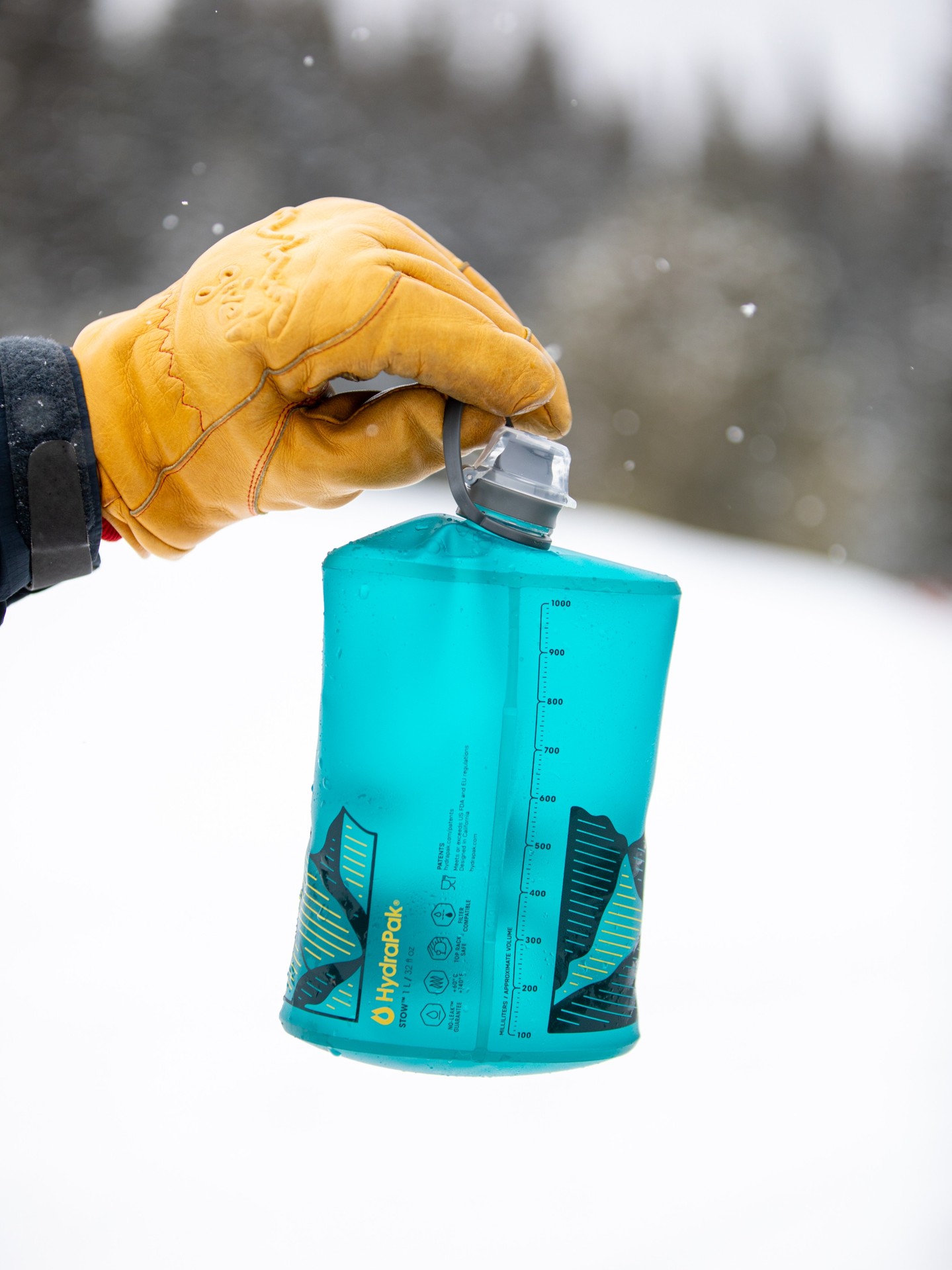
There is a good chance you have been using HydraPak products without knowing it. If you own a running vest from Salomon, a pack from Deuter, or a hydration system from any number of other major outdoor brands, the reservoir or soft flask inside it may well have been designed and manufactured by a small company based in Oakland, California. HydraPak is the world’s leading original equipment manufacturer of hydration reservoirs and soft flasks — the component supplier that dozens of premium brands rely on to build their own products. That invisible role is both HydraPak’s greatest strength and the reason most trail runners have never heard of the brand, despite using its work on almost every long run they do.
But HydraPak is not only a supplier. It is also a brand in its own right, with a product range that competes directly with Ultimate Direction and CamelBak for the attention of serious endurance athletes. Understanding both sides of that identity — the quiet industrial backbone and the athlete-facing brand — is the key to understanding why HydraPak matters.
Oakland, 1996: Mountain Bikers First
HydraPak was born in Northern California in 1996 under the Bell Sports umbrella, initially producing hydration packs for mountain bikers under the Blackburn brand name. In 2001, Matt Lyon — fresh out of graduate school in business and product design, and ready for an entrepreneurial leap — purchased the company and set its course for the next two decades. Lyon remains president and CEO today, giving HydraPak something relatively rare in the outdoor industry: long-term leadership from a founder with deep roots in the product.
The early years were defined by a strategic insight that few brands have managed to execute as cleanly: pursue the OEM business and the consumer brand simultaneously, treating each as a source of intelligence about the other. By supplying reservoirs to major outdoor brands, HydraPak gained unparalleled visibility into how different athletes used hydration systems across different sports. That knowledge flowed back into product development, making the brand’s own consumer products better — and making its OEM offering more compelling in return. It is the kind of virtuous cycle that takes discipline to build and that competitors find genuinely difficult to replicate.
Today, HydraPak supplies reservoirs and soft flasks to more than 120 brands worldwide — including Deuter, Scott, Berghaus, Vaude, and others. In 2025, Deuter formalised its partnership with HydraPak to integrate customised reservoirs and soft flasks into a range of its performance backpacks. The company also owns Polar Bottle (the original insulated sports water bottle for cycling) and Bottle Bright (biodegradable cleaning tablets for hydration gear). For runners wanting guidance on how to maintain and choose the right hydration system, our trail running hydration pack guide covers the essentials.
The SoftFlask: HydraPak’s Most Consequential Product
If the hydration vest changed trail running in 2012 — which it did, as we explored in our look at Ultimate Direction’s Signature Series — then the soft flask made the vest work. A collapsible, lightweight TPU flask that shrinks as you drink, fits cleanly into a chest pocket, and can be refilled without removing it from its holder is a fundamentally better solution than a rigid bottle at the front of a vest. HydraPak pioneered this category and remains its leading supplier.
The HydraPak SoftFlask range is available in multiple sizes — 150ml (for gels), 250ml, 500ml, 600ml, and 750ml — and in several configurations including the UltraFlask (with an extended neck for easy refilling) and the standard SoftFlask with a push-pull nozzle. The 150ml version is specifically designed for energy gel, with a wide silicone nozzle that dispenses thick liquids cleanly — a practical solution to the sticky, wasteful gel sachet problem that every long-distance runner knows too well.
The material is TPU (thermoplastic polyurethane) — lightweight, flexible, abrasion-resistant, and BPA-free. At 20–23 grams for a 500–600ml flask, it is among the lightest hydration options available. Crucially, the flexible walls mean there is no sloshing sound or water movement as the flask empties — a detail that matters less on a short run and enormously on a 50km race where a sloshing water sound in your chest pocket becomes genuinely irritating after the first hour.
Reservoirs: The Invisible Standard
HydraPak’s reservoir line is where the OEM expertise is most visible. The brand’s bladders feature several proprietary innovations: fully reversible reservoirs for easy cleaning (flip it inside out, rinse, and dry); pressure-activated Plug-N-Play valves for one-handed dispensing; and the Quick Link disconnect system that allows the hose to be detached and reattached cleanly. These are not incremental improvements — they are engineering decisions that change how often runners actually clean their hydration gear, which has direct implications for health and product longevity.
The Seeker and Shape-Shift reservoirs are the flagship models for hiking and trail running. The Shape-Shift is particularly well-regarded for its ability to sit flat against the back of a pack without shifting during movement — a problem that affects many reservoir designs and is more noticeable on technical terrain. The Pioneer series, launched more recently, targets long-duration expeditions and alpine use where large-capacity, durable water storage matters more than weight. For runners thinking about how to fuel and hydrate across long efforts, the principles are covered in our piece on trail running nutrition and hydration.
What HydraPak Makes for Runners
Unlike CamelBak or Ultimate Direction, HydraPak does not make complete running vests. Its consumer product focus is on the components — the flasks, reservoirs, and accessories that go inside the vests — plus standalone carrying solutions and water storage for longer efforts. This is a deliberate strategic choice: HydraPak competes where it has the deepest expertise and the most defensible technical position, rather than trying to match the full-system brands at their own game.
| Product | Category | Capacity | Best For |
|---|---|---|---|
| SoftFlask 500ml | Soft flask | 500 ml | Vest front pockets |
| SoftFlask 150ml | Soft flask (gel) | 150 ml | Energy gel carry |
| UltraFlask 600ml | Soft flask | 600 ml | Easy-fill, trail running |
| Shape-Shift Reservoir | Bladder | 1.5–3 L | Pack and vest use |
| Seeker Reservoir | Bladder | 2–3 L | Hiking, trail running |
| Pioneer Series | Water storage | 2–4 L | Expedition, alpine |
| Flux+ Filter Bottle | Filtered bottle | 1 L | Backcountry, filtration |
The Flux+ is worth singling out: a 1-litre collapsible bottle with an integrated filter, designed for backcountry use where water sources are available but not safe to drink directly. It is light, packable, and genuinely useful for trail runners doing long ultra-trail preparations or mountain routes far from aid stations. The filter removes bacteria and protozoa, giving runners access to stream water without carrying the weight of a full water treatment system.
Sustainability as Genuine Strategy
HydraPak has built a sustainability programme that goes beyond standard outdoor industry pledges. The Re_Pak initiative — launched in 2024 and scaled nationally in 2025 — collects used soft bottles from any brand (not just HydraPak) at participating retailers and events, and transforms them into composite construction materials through a recycling partnership. In its first year, the programme diverted approximately 170 pounds of plastic from landfills. Small in absolute terms, but the model is sound: make it easy for athletes to return gear, accept product from competitors, and build the infrastructure to scale.
The brand has also long supported the Protect Our Winters coalition, connecting the running, cycling, climbing, and ski communities around climate advocacy. For a company of 50-odd employees, the breadth of that commitment is notable. It is not performative — it reflects the values of a team that, by all accounts, actually uses the gear it makes.
Why Most Runners Don’t Know HydraPak — and Why That’s Changing
The OEM model that built HydraPak’s business also obscured its identity. When a runner buys a Salomon vest and drinks from a soft flask, they think of it as a Salomon flask. The HydraPak logo — if it is there at all — goes unnoticed. That invisibility served the OEM side well but made brand-building harder on the consumer side.
The strategy is shifting. HydraPak has become more visible at major endurance events — including the Leadville 100 ultramarathon, where it provides SpeedCups and branded flasks across aid stations as part of the race’s cupless format. These touchpoints give athletes direct contact with the HydraPak brand in the context where the products matter most. The approach is slower than a traditional marketing push, but it is more credible — consistent with a brand that has always built its reputation by being genuinely useful rather than simply visible.
In Europe, HydraPak is better known than most North American hydration brands by virtue of its OEM presence in European-made packs (Deuter, Vaude, Berghaus). But it remains underappreciated as a direct consumer brand, particularly in trail running circles where Salomon, Nathan, and Raidlight dominate shelf space. That is beginning to change as more experienced runners start paying attention to the specific components inside their vests, not just the brand on the outside.
Who Should Buy HydraPak Directly?
The honest answer is: runners who care about the details. If you already own a vest and want to upgrade the flasks inside it, HydraPak’s SoftFlask range is the most technically refined option on the market. The UltraFlask in particular — with its extended neck for one-handed refilling — is a meaningful improvement over the stock flasks that come with most vests. The gel flask (150ml) solves a genuine problem for runners who race long enough to need on-the-go nutrition without the waste and mess of individual sachets.
If you are building a hydration system from scratch and want the deepest expertise focused on the components rather than the complete system, HydraPak is the reference. If you want a complete vest with all the features integrated, you will need to look at brands like Ultimate Direction or CamelBak for the carrying system, and possibly use HydraPak flasks inside it.
The brand is also an excellent choice for anyone who values supply-chain integrity and component quality in their gear. Knowing that your bladder was designed by a company whose entire identity is built around hydration engineering — and that dozens of other premium brands trust it with their own products — is a form of confidence that marketing campaigns cannot manufacture. HydraPak earned it quietly, over two decades, one reservoir at a time. Trail runners who care about what they carry would do well to pay attention.