
hill.camp does not conduct first-hand product testing. This Tracksmith Eliot Range review is a synthesis of independent field tests, specialist press articles, and verified consumer feedback gathered from multiple sources. All technical data and performance observations are drawn from those sources and attributed accordingly.
Trail running has, in the last few years, become its own arms race of grip, stack height, and rugged engineering. Hoka and Altra built empires on maximum cushion and generous toe boxes. Norda and Speedland chase ultra-technical terrain with Dyneema and exotic outsoles. Into that landscape steps Tracksmith — a brand whose entire identity is built on New England restraint — with the Eliot Range, its first dedicated trail shoe. The result, according to the wide range of reviewers who have tested it, is less a competitor to the mountain-built technical trail shoe and more a deliberate departure from the category’s prevailing logic. This Tracksmith Eliot Range review brings together that full body of testing to establish exactly what the shoe is, and who it is actually for.
The Eliot Range launched in August 2025 as the headline product of Tracksmith’s new Overland Collection, and represents only the third shoe the brand has ever released, following the Eliot Runner and the Eliot Racer. It borrows construction principles from both: the Racer’s drop-in supercritical foam platform, and the Runner’s last and overall silhouette. What it adds is a merino wool-lined upper, a flexible nylon plate, and a Vibram XS Trek Evo outsole built for gravel, light singletrack, and the kind of pine-needle New England trails that define Tracksmith’s entire identity.
Tracksmith Eliot Range — Quick Specs
| Price | $240 / £240 |
| Weight | 275–281g / 9.7–9.9oz (men’s US9) |
| Stack height | 34.5mm heel / 25.5mm forefoot |
| Drop | 9mm |
| Midsole | Drop-in supercritical foam sockliner + PEBA carrier + flexible nylon plate |
| Upper | Ripstop shell with merino wool liner, woven sash |
| Outsole | Vibram XS Trek Evo rubber |
| Release | August 2025 |
| Category | Road-to-trail / non-technical trail shoe |
What Kind of Trail Shoe Is the Eliot Range, Really?
The single point of consensus across every Tracksmith Eliot Range review consulted here is this: it is not built for technical mountain terrain, and Tracksmith never claimed it was. Runner’s World’s Jeff Dengate frames it most usefully, comparing the Eliot Range to hybrid road-to-trail shoes like the Nike Pegasus Trail or Saucony’s off-road Ride variants — a solid road shoe given extra grip and upper protection rather than a ground-up technical trail design. RoadTrailRun’s Sam Winebaum goes further, suggesting the shoe is best understood as « the Eliot Runner with a different outsole » — a characterisation echoed almost verbatim by fellow tester Ben David.
This is not necessarily a criticism. Tracksmith has been explicit that the shoe is designed around New England’s particular trail character — gravel roads, pine-needle singletrack, well-maintained county park paths — rather than the technical, rock-strewn terrain of the Rockies or the Alps. GearJunkie’s Andrew McLemore, testing the shoe extensively around Atlanta’s Panola Mountain and Arabia Mountain state parks, found it performed beautifully on exactly that kind of moderate terrain, while UltraRunning’s Donald Buraglio specifically recommends it as « an exceptional shoe for cross-country season » — fast, lightweight, and built to move efficiently over relatively mellow ground.

Believe in the Run’s Reese Ruland captured the visual impression shared by multiple reviewers, describing the Eliot Range as looking like « a very, very fashionable version » of an old-school trail racer — more cross-country flat than mountain shoe, in both appearance and intended use.
Upper: Merino Wool Meets Ripstop, to Mixed Reviews
The Eliot Range’s most distinctive feature — and the one every Tracksmith Eliot Range review highlights first — is its upper construction: a thin ripstop shell lined with the same merino wool used in Tracksmith’s Brighton base layer apparel. The rationale is temperature regulation and natural odour resistance, and on this point, testing is broadly positive. Gear Patrol’s Jack Seemer calls it an intriguing, if unusual, choice for a 2025 trail shoe — natural fibre in a category dominated by synthetic yarns like Matryx. Runner’s World found the upper breathable and water-shedding even after a creek crossing, with shoes drying out on the drive home despite a soaked test team.
RoadTrailRun’s testers were similarly impressed with comfort and security. Sam Winebaum found the merino-lined upper « totally any trail worthy » with excellent midfoot hold that required no over-cinching of the laces. Sally Reiley reported zero hot spots across extensive testing, including a two-week European trip during which the Eliot Range served as her sole travel and casual footwear. GearJunkie’s McLemore loved the snug, sock-like fit for his narrow feet, comparing the sensation favourably to a well-fitted dress shirt — though he was equally clear that wider-footed runners should look elsewhere.

That narrowness is the most consistent criticism across Tracksmith Eliot Range reviews. UltraRunning’s Buraglio found the forefoot genuinely restrictive on runs beyond half-marathon distance, recommending the shoe primarily for medium-to-narrow-footed runners. Believe in the Run’s Ben David, an experienced Tracksmith apparel wearer, found the heel narrow in a way consistent with other Tracksmith footwear. Runner’s World noted a lack of additional protection — no robust toe bumper, minimal midfoot stiffening — that left the shoe feeling less locked-down on technical sections; Jeff Dengate experienced a mid-run slip on a wet rock that he attributes partly to this flexible, low-structure upper design. GearJunkie’s McLemore raises the same point: the lack of toe protection will likely deter trail runners prone to stubbed toes on rocky descents.
One detail several reviewers flag for improvement: Sally Reiley at RoadTrailRun and others note the thick flat laces do not hold a knot reliably and require double-knotting before heading out.
Midsole: A Familiar Eliot Racer Platform, Slightly Reworked
The midsole construction echoes the Eliot Racer closely: a thick, drop-in supercritical foam sockliner — likely the same A-TPU compound, though Tracksmith has not officially confirmed the material — nesting into an outer PEBA carrier, with a full-length plate sitting between the two layers. The key difference from the Racer is material: where the road racing shoe uses carbon, the Eliot Range uses an injected nylon plate, deliberately chosen for flexibility rather than stiffness. RoadTrailRun’s Sam Winebaum considers this the right call for a trail shoe, noting the flex assists with climbing agility — a quality multiple testers, including Believe in the Run’s Reese Ruland, confirmed in practice.
Underfoot character is described consistently as firm, snappy, and old-school responsive rather than soft or trampoline-like — a deliberate contrast to the maximalist, ultra-cushioned platforms that now dominate trail running. Sam Winebaum describes the ride as reactive and stable without being overly « springy, » a sentiment Ben David echoes: the dual-foam construction provides a moderate bounce that some runners may find understated rather than insufficient. Runner’s World’s testers, accustomed to the current wave of thick, soft trail shoes, specifically appreciated the lower stack height and firmer foam as a change of pace, alongside a 9mm heel-to-toe drop that several testers — including Dengate, who runs with tight Achilles tendons — found close to ideal for flowing gravel sections.
Where Tracksmith Eliot Range reviews diverge most sharply is on rock protection. Sam Winebaum’s central critique — echoed in detail across the review — is that the midsole’s inherent quality is partially masked by the outsole design, which creates a firmer, more rigid sensation at the heel specifically due to extensive unsegmented rubber coverage there. He suggests a thicker drop-in midsole, closer to the Racer’s stack, would unlock more of the platform’s potential rebound. Runner’s World’s Jeff Dengate experienced this directly on technical, rock-strewn terrain near a creek inlet, finding the protection underfoot inadequate for sharp stones despite handling chunkier gravel comfortably. Believe in the Run’s Reese Ruland — testing with custom orthotic inserts due to flat feet — found the single supercritical foam construction (with the footbed acting as the second density layer) limiting for her specific biomechanics, though she notes this is unlikely to affect most runners.
Outsole: Vibram XS Trek Evo — Durable, But Not the Grippiest in Class
The Eliot Range uses Vibram XS Trek Evo rubber rather than the Megagrip or Litebase compounds found on most premium technical trail shoes — a distinction Runner’s World’s Dengate is careful to flag, noting that XS Trek Evo is more commonly associated with hiking footwear and delivers lugs barely more aggressive than a road shoe’s waffle pattern. This is consistent across every Tracksmith Eliot Range review: traction is described as reliable on dry gravel, packed dirt, and moderate singletrack, but noticeably less confident on wet rock or technical, sloppy terrain. GearJunkie’s McLemore found solid grip on Atlanta’s granite hiking trails until rain made the rock genuinely slick — though he notes few technical shoes fare much better in those exact conditions.
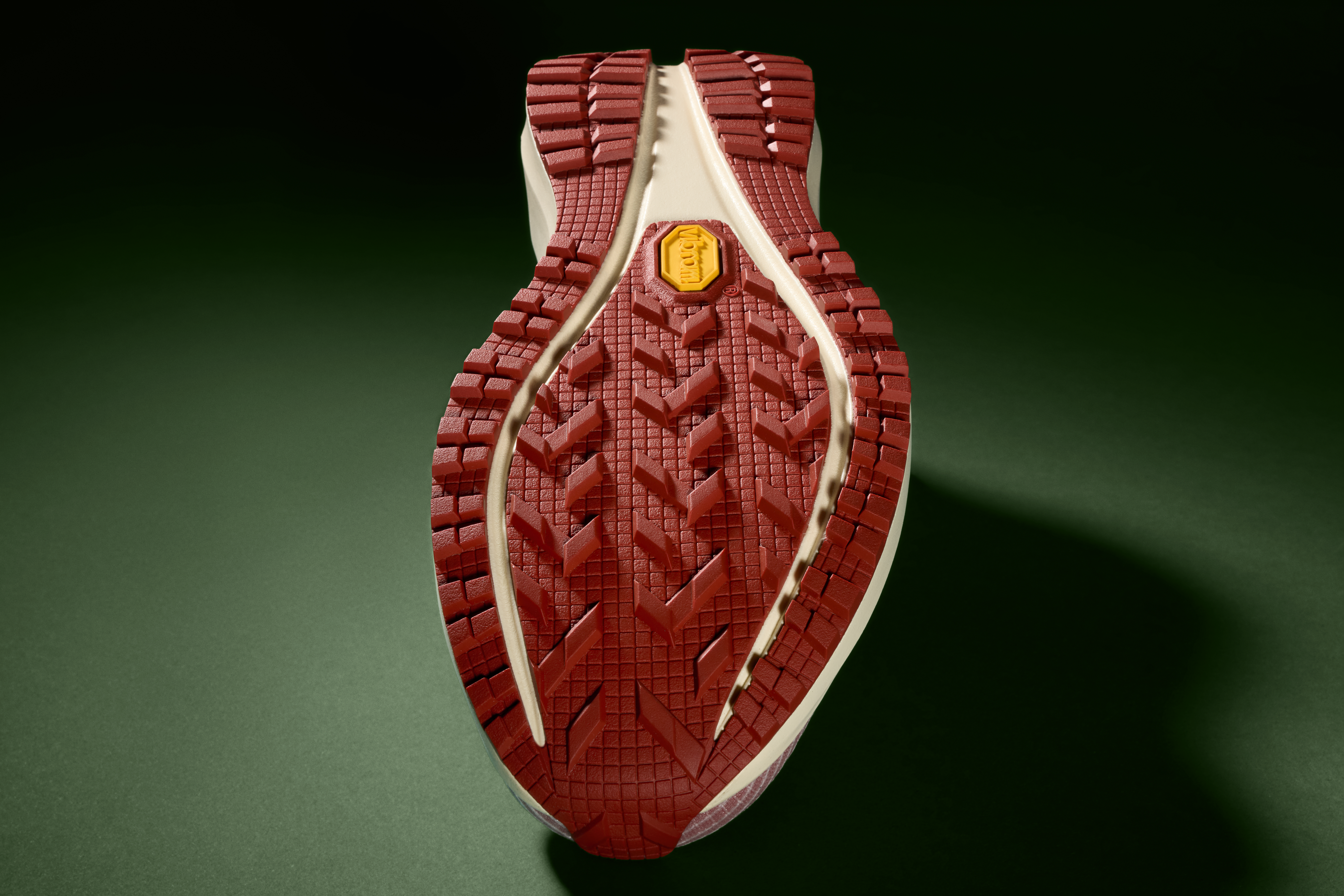
What every reviewer agrees on without exception is durability. RoadTrailRun’s testers report zero visible outsole wear after extensive use, and UltraRunning’s Buraglio specifically highlights rubber durability as a priority for gravel-focused running. The trade-off, again raised most pointedly by Sam Winebaum, is that the extensive heel rubber coverage contributes meaningfully to the firm, somewhat rigid ride character on hard surfaces — durability purchased at the cost of some underfoot liveliness.
The $240 Question
Every Tracksmith Eliot Range review eventually confronts the price, and opinion divides sharply. Believe in the Run’s Ben David is the most pointed critic, calling the pricing « simply outrageous » for a shoe he feels is « not going to handle serious trails, » and noting you could buy nearly two pairs of comparable shoes from La Sportiva or Hoka for the same money. Gear Patrol’s Jack Seemer offers useful context: at $240, the Eliot Range actually undercuts fellow boutique trail entrants Norda 005 ($325) and Satisfy’s The Rocker (£285) — positioning it, relatively speaking, as the value option in the ultra-premium trail shoe segment, even if that segment remains expensive by any conventional measure.
RoadTrailRun’s Sam Winebaum lands closer to the middle: a quality, well-built, genuinely durable shoe that justifies its cost primarily through versatility — gravel, light trail, road, casual wear, and extended travel days — rather than through outright trail performance. Sally Reiley’s experience supports this directly: she wore the Eliot Range continuously through a two-week European trip covering marathon racing, hiking in Kitzbühel, and sightseeing in Salzburg, finding it comfortable enough that she « rarely thought of her feet. » GearJunkie’s McLemore, while acknowledging the price is « hard to justify » for casual buyers, remains personally enthusiastic enough to call it his new favourite shoe for unfussy trail running.
Who Should Buy the Tracksmith Eliot Range?
Drawing together the full range of testing, the Eliot Range suits a fairly specific runner profile. It is a strong fit if you run primarily gravel roads, cross-country style terrain, or moderate, well-maintained singletrack rather than technical mountain trails; if you have a narrow to medium foot, since the shared last with the Eliot Runner runs slim throughout; if you want a single shoe versatile enough to cover road, gravel, light trail, and casual or travel use; and if the Tracksmith aesthetic and brand identity already resonate with how you approach running.
It is a poor fit if you regularly run technical, rocky, or steep mountain terrain requiring serious underfoot protection and aggressive grip; if you need a wide toe box or have wider feet generally; if you prioritise maximum cushioning and a soft, bouncy ride over ground feel and responsiveness; or if ultra-distance trail performance is the primary use case — nearly every reviewer here independently arrives at the same ceiling, recommending the shoe for efforts up to a marathon distance rather than beyond it.
Our Take
The Tracksmith Eliot Range is a confident, well-considered first attempt at trail footwear from a brand that built its name on apparel, not shoes — and the considerable disagreement among reviewers says less about inconsistent quality than about how differently runners define « trail shoe » in 2026. For runners chasing technical mountain terrain with maximum rock protection and aggressive grip, this is not that shoe, and several testers are refreshingly direct about saying so. For runners whose trail running actually means gravel roads, cross-country circuits, and the kind of mixed, moderate terrain that defines most people’s actual weekly mileage, the Eliot Range offers a genuinely versatile, beautifully finished, and durable option that crosses effortlessly into casual and travel wear — territory where Tracksmith has always excelled.
The narrow fit and modest rock protection are real limitations worth taking seriously before buying. But for the right runner — narrow-footed, New England-minded, more interested in flowing singletrack than summit scrambles — the Eliot Range earns its place in the Tracksmith lineage as a shoe that looks the part and, within its intended terrain, largely performs it too.
Explore the Tracksmith Eliot Range and the full Tracksmith footwear range at tracksmith.com.
Tracksmith Eliot Range — Frequently Asked Questions
Is the Tracksmith Eliot Range good for technical trails?
No — every independent reviewer agrees on this point. The Eliot Range uses Vibram XS Trek Evo rubber with shallow, road-shoe-like lugs and limited rock plate protection, making it unsuitable for steep, rocky, or technical mountain terrain. It is best suited to gravel roads, cross-country style courses, and moderate, well-maintained singletrack — the New England trail character it was specifically designed around.
How does the Tracksmith Eliot Range fit?
The Eliot Range shares its last with the Eliot Runner and fits narrow through the midfoot, forefoot, and heel. Most reviewers found it true to size in length, with a secure, sock-like hold from the merino-lined upper. However, multiple testers flagged the forefoot as restrictive on longer runs, and the shoe is explicitly not recommended for wide or high-volume feet.
What is the merino wool lining for?
The Eliot Range uses the same merino wool found in Tracksmith’s Brighton base layer apparel, lining the ripstop upper for temperature regulation, natural odour resistance, and a soft, sock-like feel against the foot. Independent testing found it breathable in warm conditions and effective at shedding moisture, even after wet trail crossings.
Is the Tracksmith Eliot Range worth $240?
Opinions diverge. Some reviewers consider the price excessive relative to the shoe’s trail capability, noting cheaper alternatives offer comparable or better technical performance. Others point out that $240 actually undercuts comparable boutique trail shoes like the Norda 005 or Satisfy The Rocker, making it relatively competitive within the premium trail category. The strongest value argument rests on versatility: durability, casual wear, travel use, and road-to-gravel crossover performance, rather than pure technical trail capability.
How does the Tracksmith Eliot Range compare to the Eliot Runner and Eliot Racer?
The Eliot Range shares its last and overall silhouette with the Eliot Runner, and its drop-in supercritical foam midsole construction closely echoes the Eliot Racer, substituting the Racer’s carbon plate for a more flexible nylon plate suited to trail use. Several reviewers describe it simply as « the Eliot Runner with a trail outsole. » It is the only one of the three designed for off-road use.