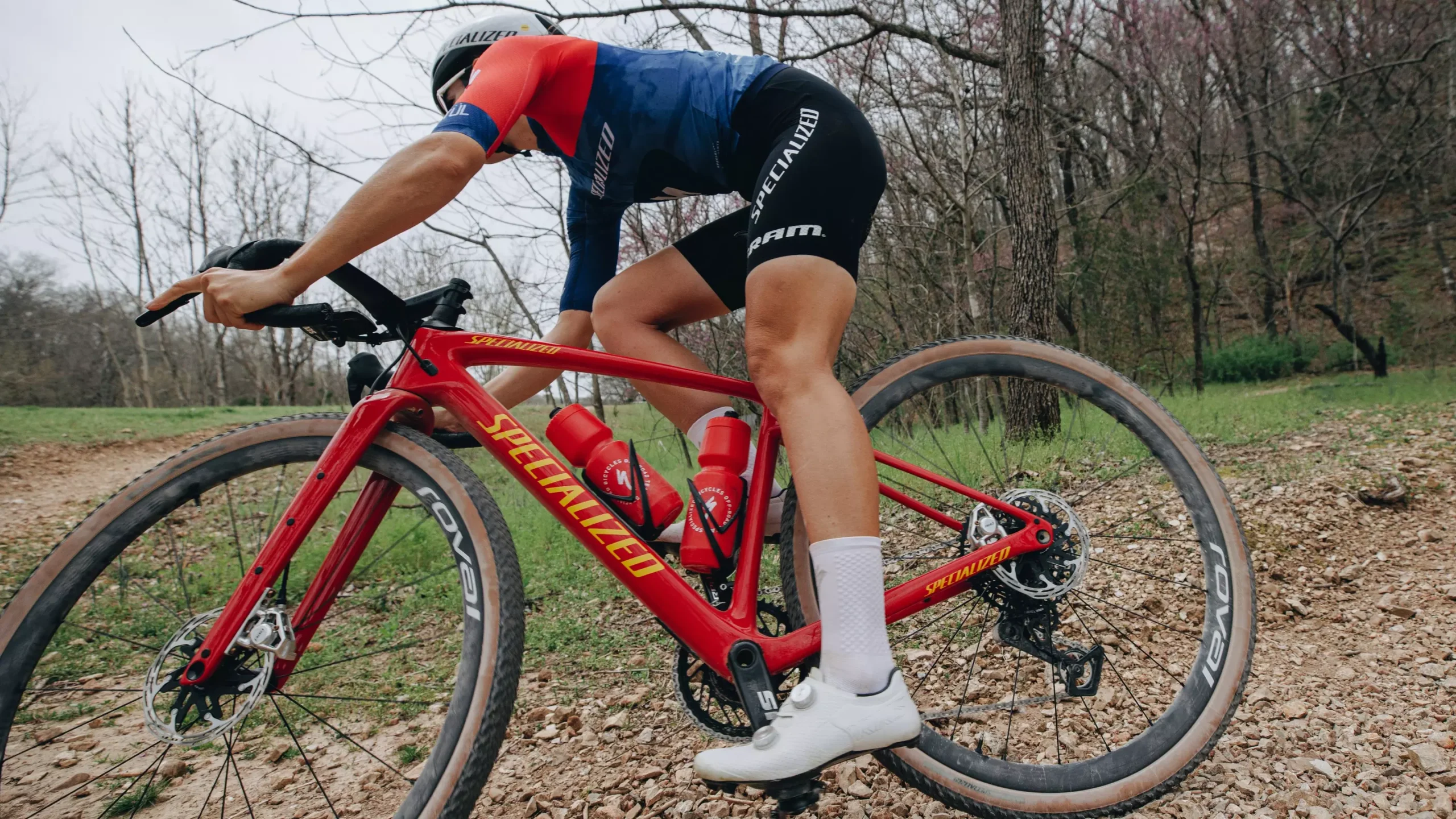
If you walk into a specialist bike shop and say you want a gravel bike that handles everything — race days, long adventure routes, bikepacking weekends, mixed-surface commutes — the answer will almost certainly involve one of these two. The Specialized Diverge and the Trek Checkpoint are the most versatile and most widely recommended bikes in the mid-to-premium gravel category, each backed by a brand with serious engineering investment and a wide retail network. They are also genuinely different machines with different design philosophies. Getting this choice right is worth the time to understand what each one prioritises.
For full brand context, read our profiles on Specialized and Trek. For related comparisons, see our Canyon Grizl vs Specialized Diverge and Cannondale Topstone vs Trek Checkpoint articles.
The Short Answer
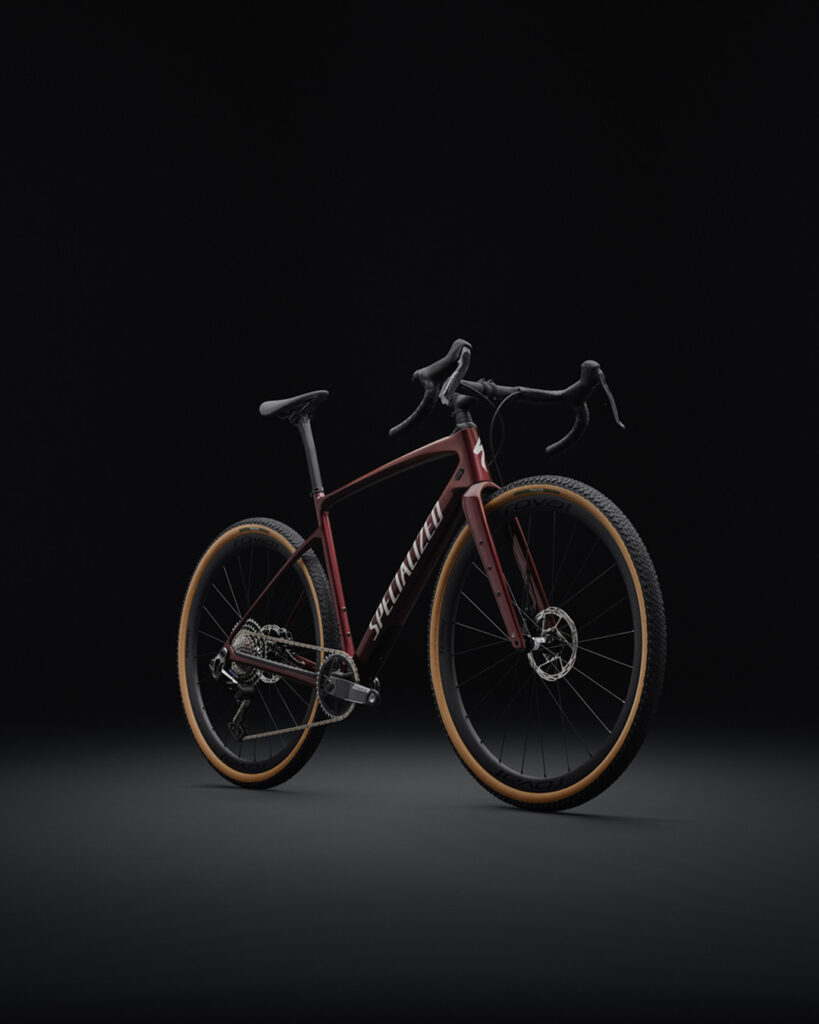
The Specialized Diverge is the more comfort-oriented platform. Future Shock 2.0 — Specialized’s proprietary 20mm of handlebar suspension — absorbs trail and road chatter at the contact point where most gravel bikes offer nothing. The geometry is more relaxed, the position more upright, and the overall character of the bike is oriented toward all-day comfort and endurance riding rather than competitive pace.
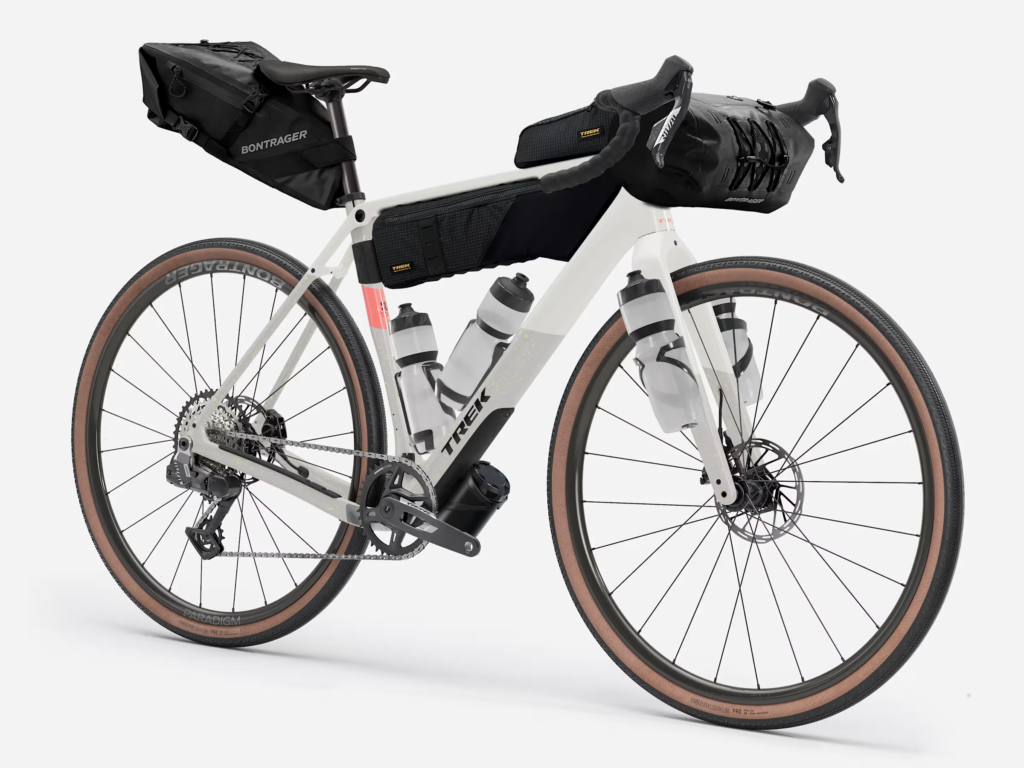
The Trek Checkpoint is the more expedition-capable platform. IsoSpeed rear compliance, integrated storage, multiple mounting points for bags and accessories, and geometry that sits between an endurance road bike and a light tourer make it the better choice for multi-day bikepacking and adventure riding where carrying capacity and system integration matter as much as pure ride quality.
Specs Side by Side
| Spec | Specialized Diverge Comp Carbon | Trek Checkpoint SL 5 |
|---|---|---|
| Frame | FACT 9r carbon | 500 Series OCLV carbon |
| Compliance system | Future Shock 2.0 (20mm fork travel) | IsoSpeed rear decoupler |
| Geometry | Relaxed endurance / upright | Adventure gravel / endurance |
| Tyre clearance | Up to 47mm | Up to 45mm |
| Groupset (at price point) | Shimano GRX 810 | Shimano GRX 810 |
| Bikepacking mounts | Moderate | Extensive (top tube, down tube, fork) |
| Internal storage | SWAT door (down tube) | Top tube storage integration |
| Price range (carbon) | ~€2,500–4,500 | ~€2,200–5,000+ |
The Compliance Systems: Fundamentally Different Approaches
This is where the two bikes diverge most meaningfully, and it reflects fundamentally different theories about where compliance should be introduced in a gravel bike.
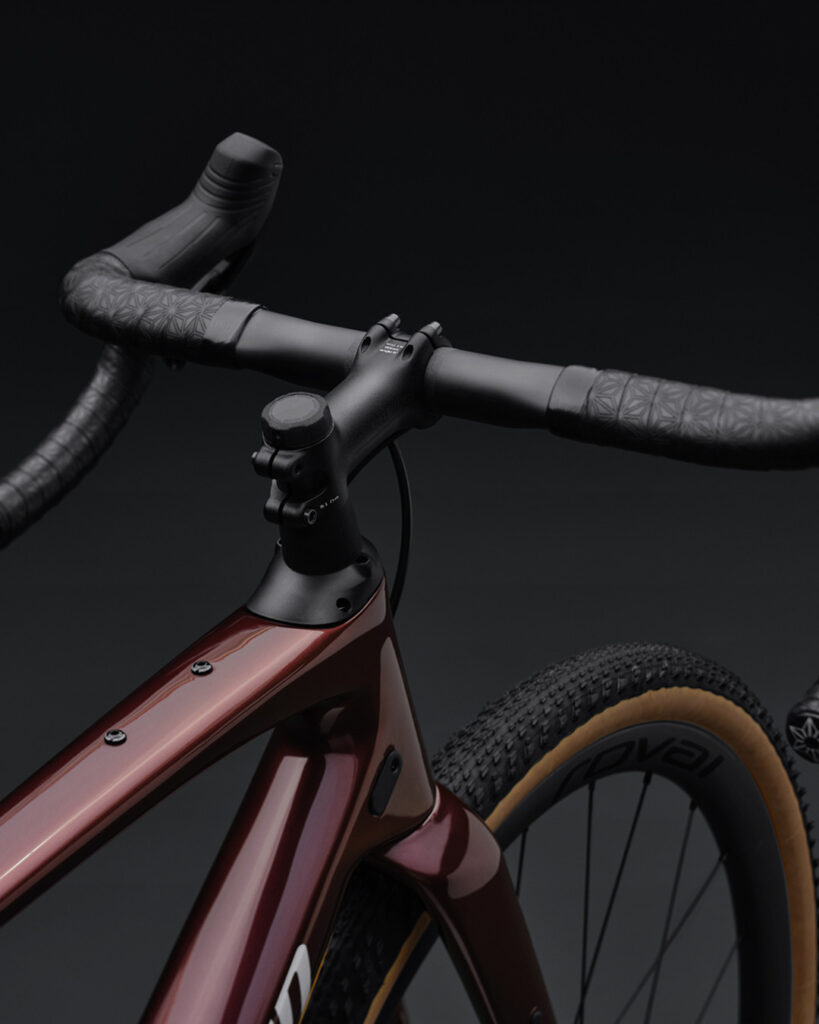
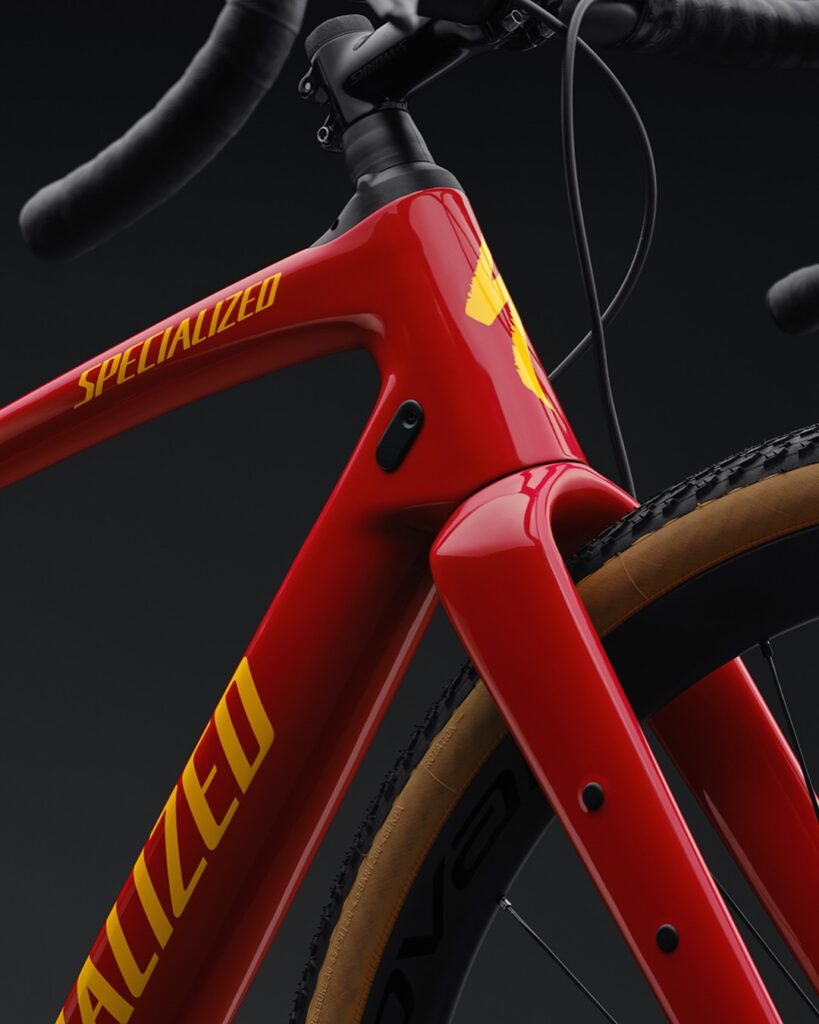
Specialized’s Future Shock 2.0 puts 20mm of travel in the fork steerer, between the fork crown and the stem. This means your hands, arms, and shoulders are isolated from the chatter that travels up the fork from the front wheel. On rough gravel, cobblestones, and technical surfaces, the Future Shock’s effect is immediately and dramatically perceptible — the handlebar simply does not transmit the same vibration signature that a conventional rigid fork does. The trade-off is that the front of the bike feels slightly unusual under hard cornering loads, and the mechanism adds weight to a part of the bike where weight is most felt.
Trek’s IsoSpeed decoupler works at the rear: the seat tube can flex vertically relative to the rest of the frame, reducing the impact transmitted to the saddle and hips from the rear wheel. Where Future Shock isolates your hands, IsoSpeed isolates your body. The combination of front and rear IsoSpeed on higher-end Checkpoint versions (SLR) addresses both inputs simultaneously — a more complete compliance picture than either system alone. At equivalent price points, the Checkpoint SL’s rear IsoSpeed does not come paired with front IsoSpeed, leaving the handlebars uncushioned. The Diverge’s Future Shock at equivalent price addresses the front but leaves the rear conventionally seatposted.
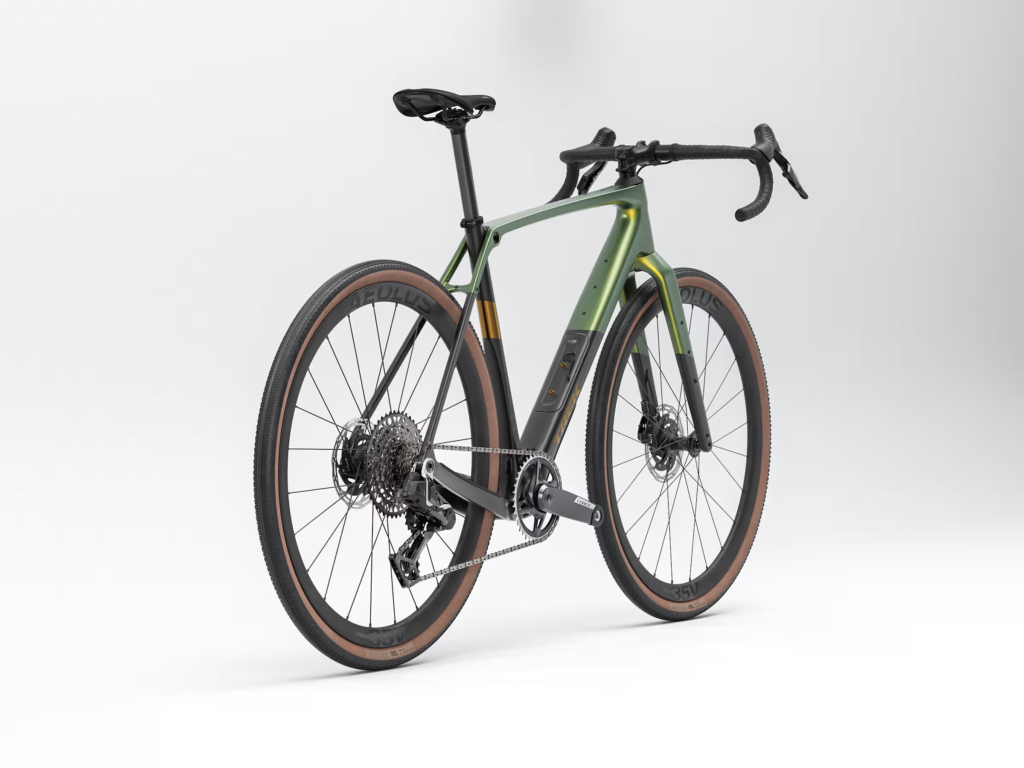
Neither approach is definitively superior. They solve different parts of the comfort equation and riders respond differently to each. Trying both before committing is strongly advisable if at all possible.
Bikepacking and Storage Integration
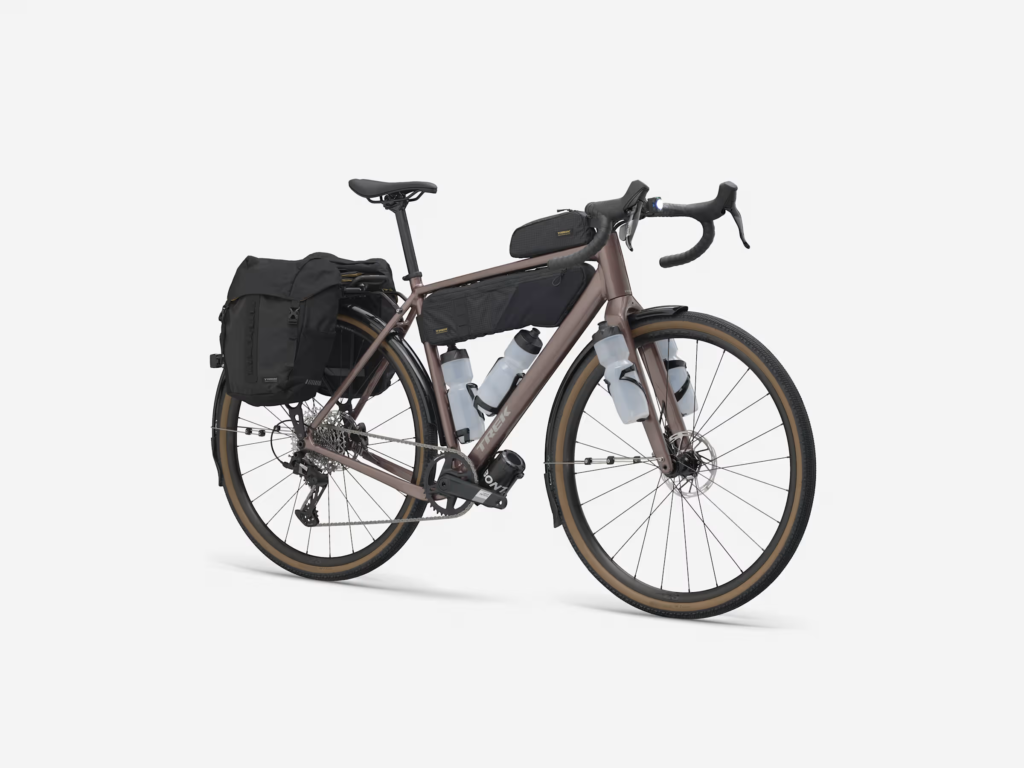
The Checkpoint is the more bikepacking-ready platform. Its frame geometry accommodates a comprehensive bag system, Trek’s Anywhere Mounts provide consistent attachment points across the bike, and the internal top tube storage integrates unobtrusively into the frame design. For riders planning multi-day routes or loaded adventures, the Checkpoint’s infrastructure thinking is thorough and well-executed.
The Diverge’s SWAT door — an access port in the down tube that stores a small emergency kit — is a neat detail but not a bikepacking solution. The Diverge accommodates frame bags but is less systematically integrated for loaded adventure riding than the Checkpoint.
Geometry and Riding Position
The Diverge is more upright and more relaxed. Its stack is higher, its reach shorter at comparable sizes, and its head tube angle is slacker — producing a stable, confidence-inspiring front end that suits riders coming from endurance road bikes or those who prefer a less aggressive position for long days in the saddle. The Future Shock’s 20mm of travel also means the effective head tube can be run with a lower stem without the harshness that a lower position would produce on a conventional rigid fork.
The Checkpoint’s geometry is modern gravel but slightly more aggressive than the Diverge — longer reach, slightly more stretched position, better suited to riders who want to push pace on mixed terrain without feeling over-extended. It is not a race geometry, but it responds better to higher-effort riding than the Diverge’s comfort-first setup.
Verdict
Choose the Specialized Diverge if: you prioritise comfort and the Future Shock system’s front suspension genuinely changes your riding experience; your gravel riding is primarily day trips and sportives rather than loaded multi-day adventures; you prefer a more relaxed, upright position; or you are coming from an endurance road background and want to move into gravel without a dramatic position change.
Choose the Trek Checkpoint if: bikepacking and multi-day adventure riding are part of your plan; storage integration and mounting points matter; you want the more systemically expedition-capable bike; or IsoSpeed’s rear compliance matches your specific comfort needs better than Future Shock’s front isolation. The Checkpoint is also the more compelling choice for riders who want to grow into longer and more ambitious routes over time.
Explore the Specialized gravel range on the Specialized official website, and the full Trek Checkpoint lineup on the Trek official website.