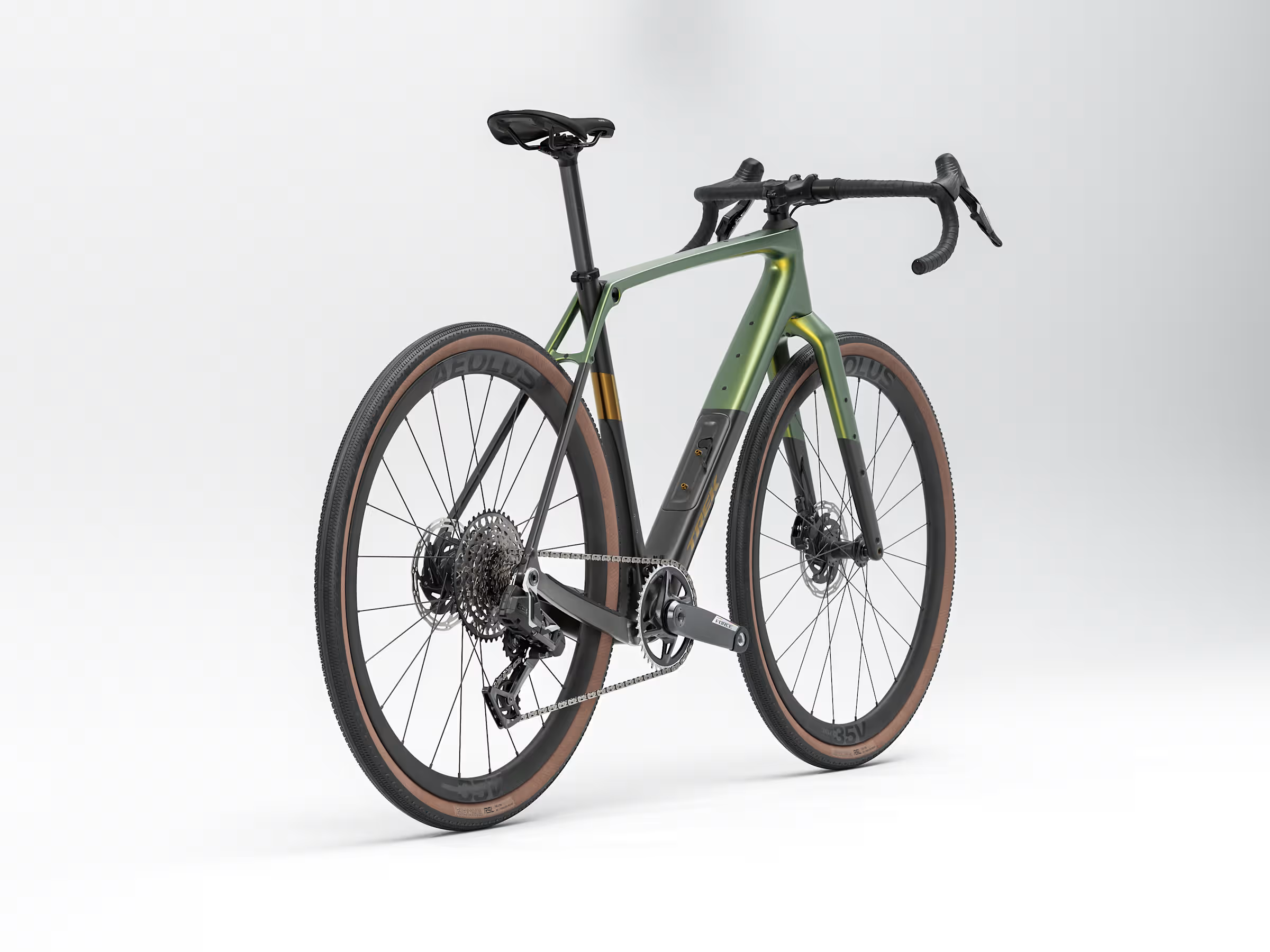
If you are buying your first proper gravel bike and your research has narrowed to two names that keep coming up in every honest roundup, this is probably it. The Trek Checkpoint and the Giant Revolt are the two gravel bikes that independent testers, long-term owners, and specialist retailers consistently recommend to serious cyclists making their first move into the category. Both are excellent. Both are available across a wide price range. And they are genuinely different enough that choosing between them should not be arbitrary.
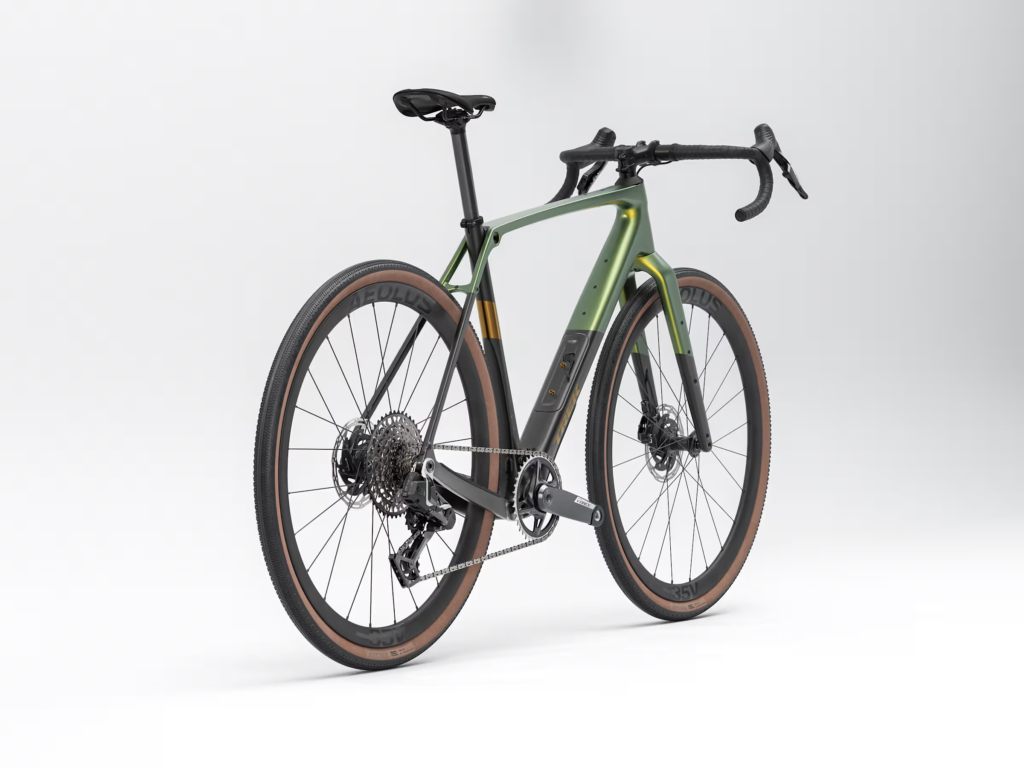
Full brand profiles are available for Trek and Giant. Adjacent comparisons: Specialized Diverge vs Trek Checkpoint and Giant Revolt vs Canyon Grizl.
The Short Answer
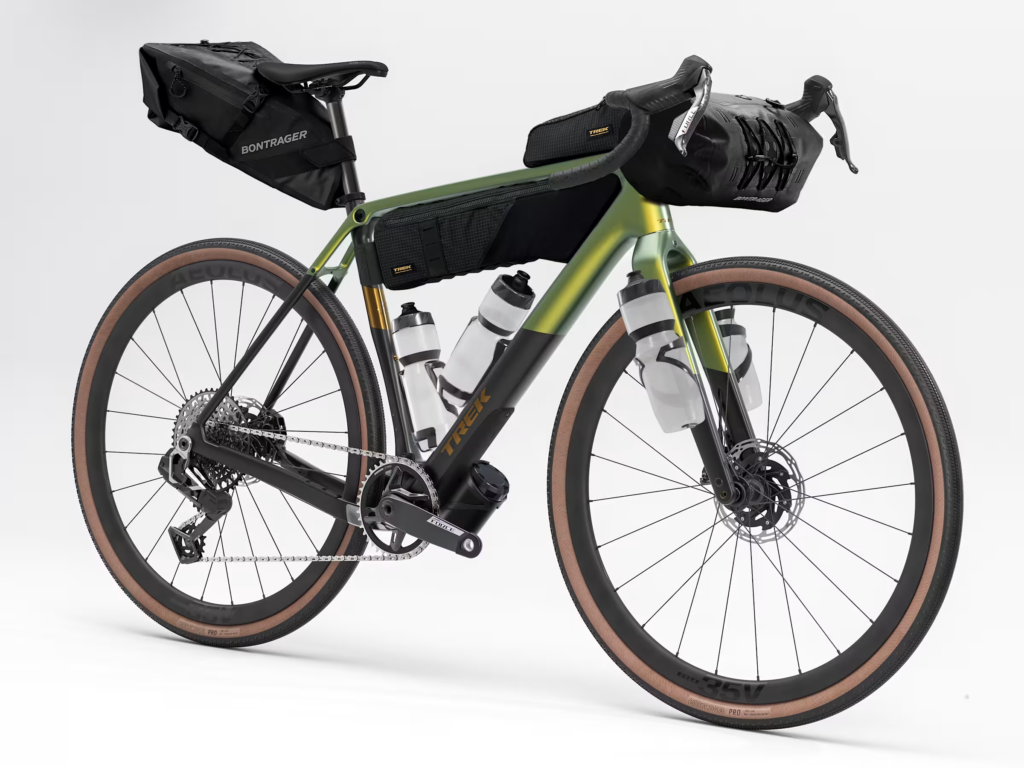
The Trek Checkpoint is the better platform for riders whose ambitions include loaded bikepacking and multi-day adventure riding. Its integrated storage system, IsoSpeed rear compliance, comprehensive mounting points, and geometry that accommodates front and rear bags make it the more capable expedition platform of the two. It is also the bike with the wider retail availability and longer service network in most European markets.
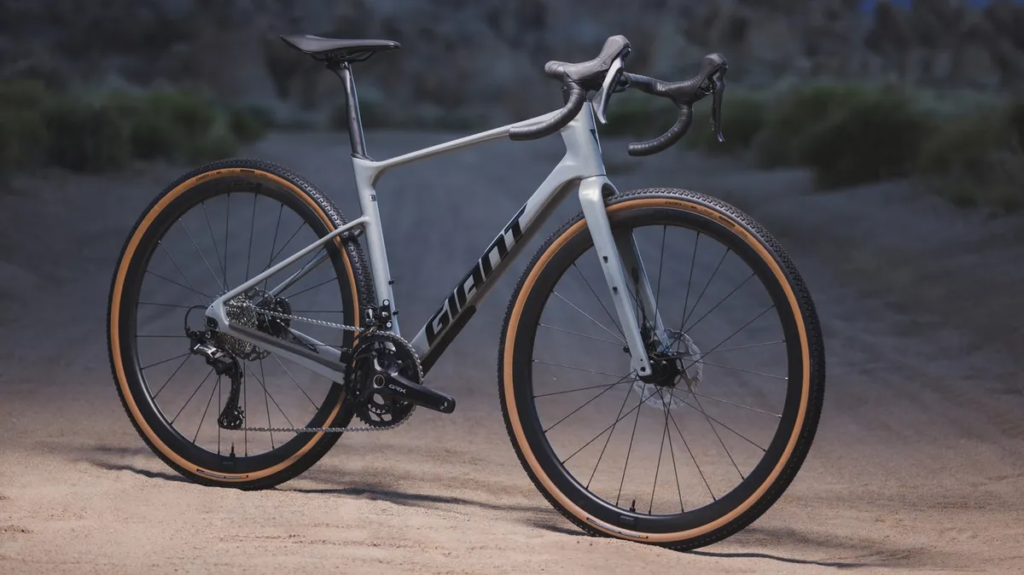
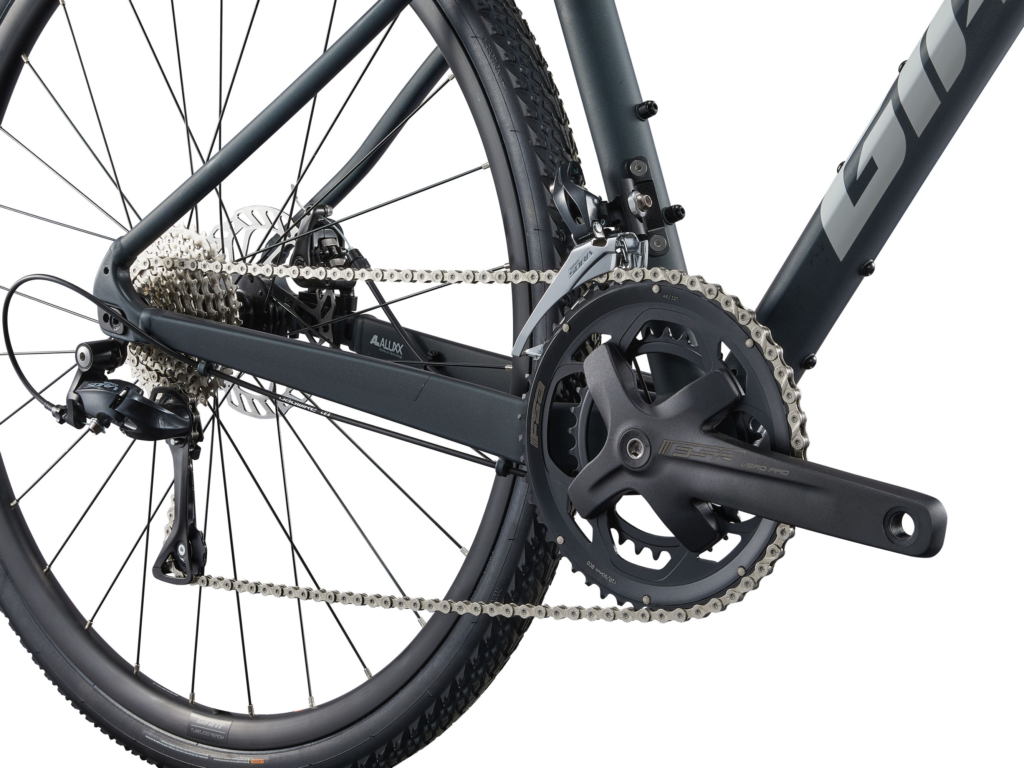
The Giant Revolt is the better platform for riders who want to go fast and go far on mixed terrain without a loaded bike. D-Fuse compliance technology, slightly more aggressive geometry, and Giant’s consistently strong frame quality at every price point make it the more dynamic and performance-oriented of the two. For sportives, gravel races, and fast adventure days without overnight gear, the Revolt is the sharper tool.
Specs Side by Side
| Spec | Trek Checkpoint SL 5 | Giant Revolt Advanced 2 |
|---|---|---|
| Frame | 500 Series OCLV carbon | Advanced carbon |
| Compliance | IsoSpeed rear decoupler | D-Fuse seatpost (Advanced models) |
| Geometry | Adventure / endurance | Balanced gravel / performance |
| Tyre clearance | Up to 700×45mm | Up to 700×53mm |
| Bikepacking mounts | Extensive (Anywhere Mounts system) | Good (standard mounts) |
| Integrated storage | Top tube bag integration | None |
| Groupset | Shimano GRX 810 | Shimano GRX 600 / 810 |
| Price range (carbon) | ~€2,200–4,500 | ~€2,500–3,500 |
What Matters Most: Your Use Case
This comparison is decided more by use case than by absolute quality, because both bikes are genuinely well-made at their price points. The question is what you actually plan to do on the bike.
If you plan to do multi-day bikepacking routes with overnight kit, the Checkpoint’s integrated storage, Anywhere Mounts, and expedition-ready geometry are a real advantage. The bike was designed with loaded adventure riding in mind from the start, and it shows in the details. The Revolt can accommodate bags, but it was not designed with the same systematic infrastructure thinking.
If you plan to race gravel events, do fast mixed-surface days, and occasionally take on rough terrain, the Revolt’s D-Fuse compliance, wider tyre clearance, and slightly more performance-oriented geometry are the better fit. The Revolt is a more dynamic bike to ride hard; the Checkpoint is a more practical bike to live with over multiple days.
Tyre Clearance
The Revolt’s 53mm versus the Checkpoint’s 45mm is a meaningful difference at the adventurous end of tyre selection. Running 50mm+ tyres on rough terrain genuinely changes the capability of a gravel bike — it approaches the contact patch and compliance of a hardtail mountain bike. For riders whose routes include genuinely rough or technical sections, the Revolt’s extra clearance is worth having.
Verdict
Choose the Trek Checkpoint if: bikepacking and multi-day adventure are part of your plan now or in the near future; you want Trek’s dealer network for fitting and ongoing service; or the IsoSpeed rear compliance and integrated storage system match your riding priorities. The Checkpoint grows with you as your ambitions expand into longer and more loaded routes.
Choose the Giant Revolt if: performance and ride dynamics are the priority; you want wider tyre clearance for technical terrain; D-Fuse compliance at both seatpost and handlebar (on Advanced models) appeals; or your primary use is fast mixed-terrain riding without overnight gear. The Revolt is the better choice for riders who want their first gravel bike to feel alive rather than practical.
See the full Trek gravel range on the Trek official website, and the Giant Revolt lineup on the Giant official website.