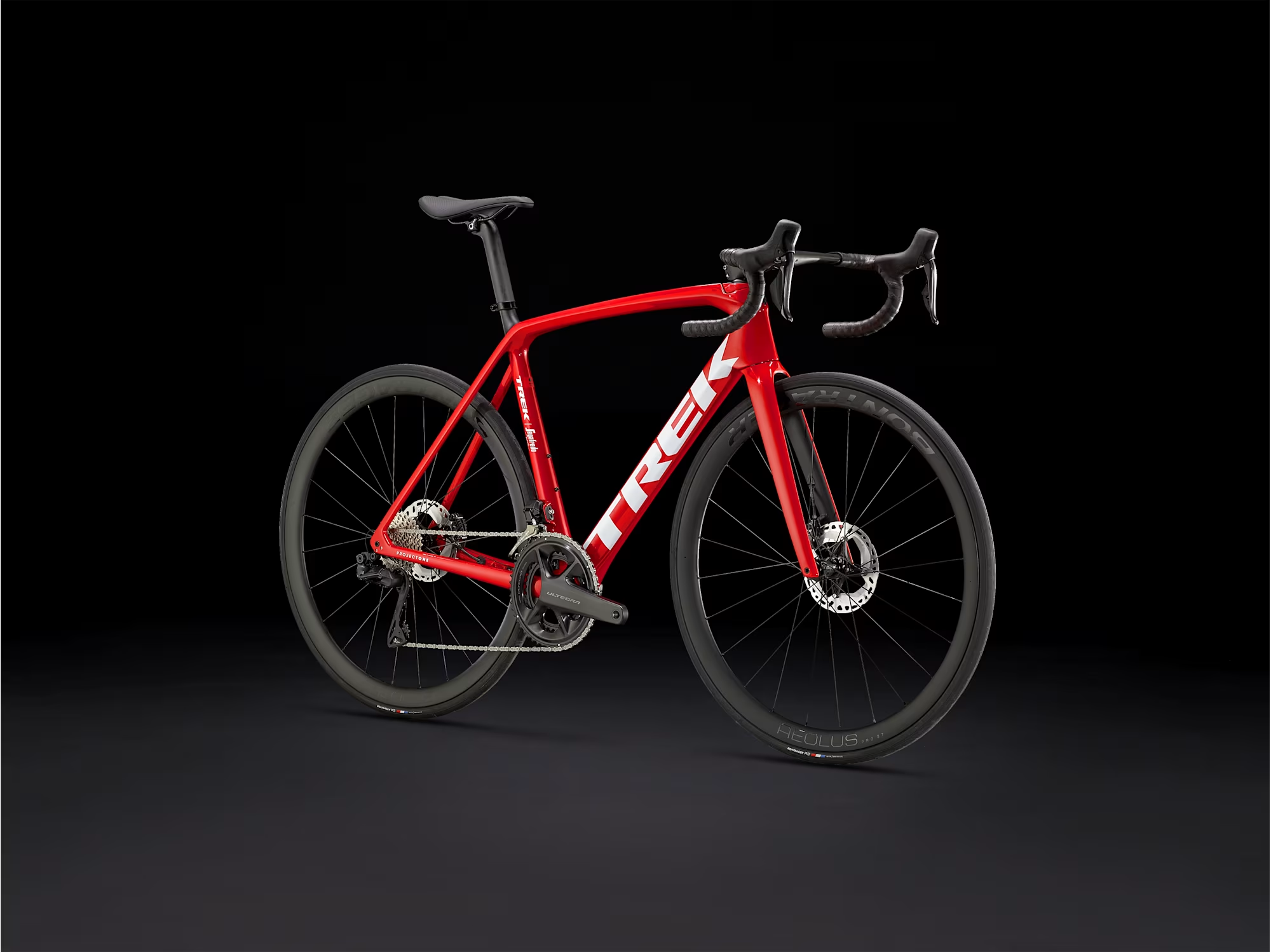
This comparison is for riders who know their terrain is mostly uphill. Not entirely — all climbs come back down — but whose primary performance anxiety is measured in watts per kilogram, whose favourite races are decided on the final alpine col, and who choose their bike with the same deliberateness that a climber chooses their shoes. The Trek Emonda and the Cannondale SuperSix EVO are the two climbing specialists from two of the most respected names in road cycling, and they represent genuinely different answers to the question of what makes a perfect climber’s bike.
Brand profiles: Trek and Cannondale. For the endurance alternative from Trek, our Specialized Diverge vs Trek Checkpoint article covers a different discipline.
The Short Answer
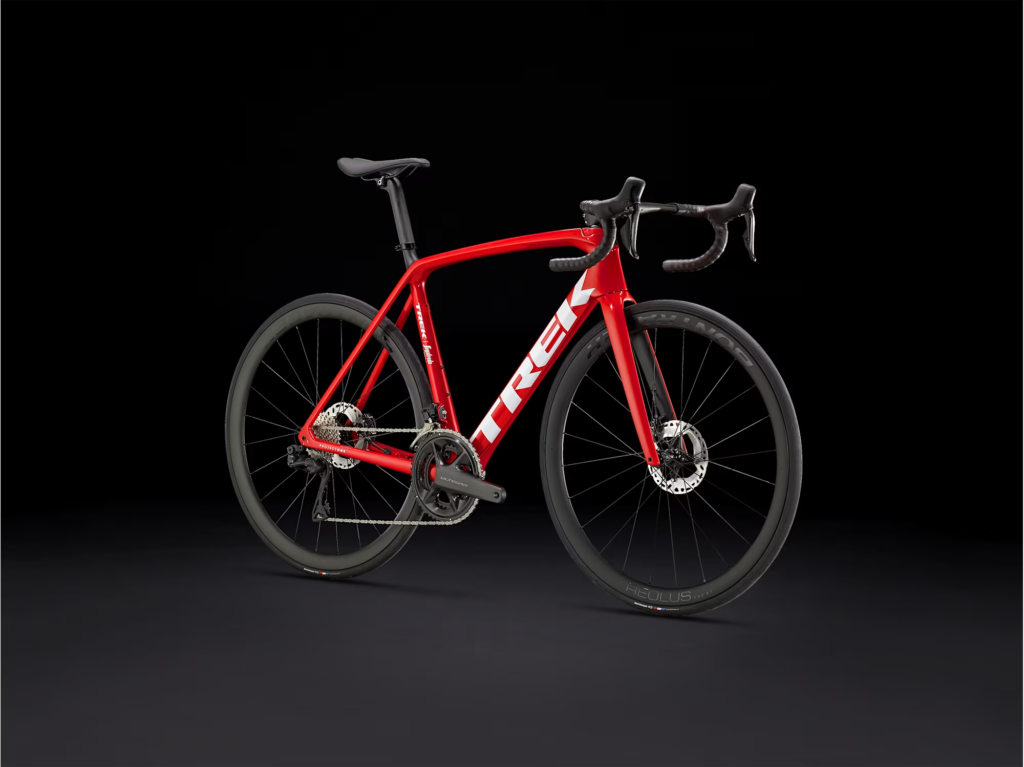
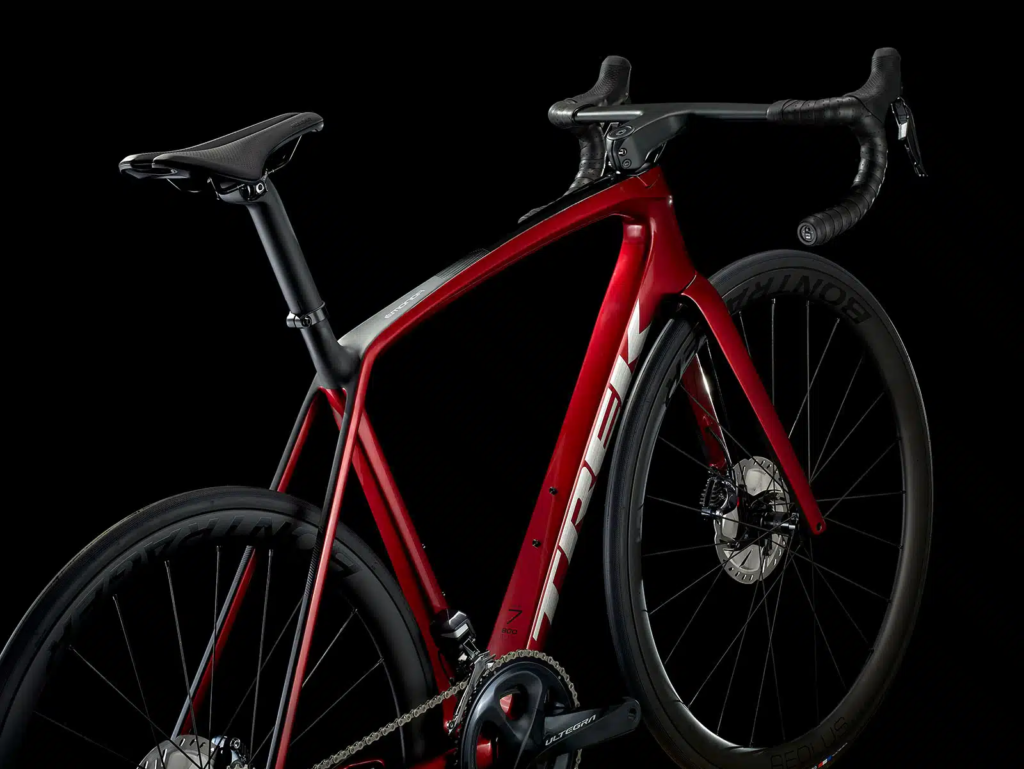
The Trek Emonda SLR is the more aero-integrated climbing bike. Its 800 Series OCLV carbon frame combines low weight with a tube profile that reduces drag at the speeds serious climbers actually ride. It is not an aero bike — it is a climbing bike that has acknowledged the reality that aerodynamics matter even at 25km/h uphill.
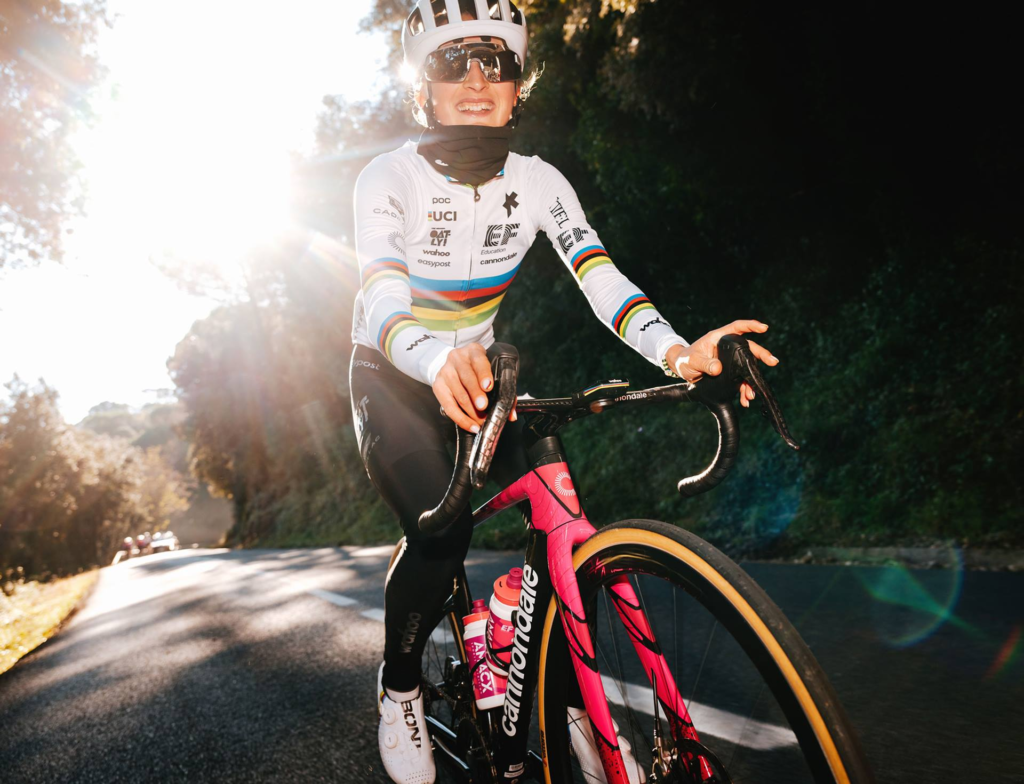
The Cannondale SuperSix EVO is the more traditionally pure climbing bike. Lighter geometry (higher stack relative to reach than the Emonda), the most telepathic handling in the Cannondale road range, and a frame that is often cited as the most refined-feeling climbing platform in the category. For riders who prioritise feel and handling precision over aero-optimisation, the SuperSix EVO is the choice.
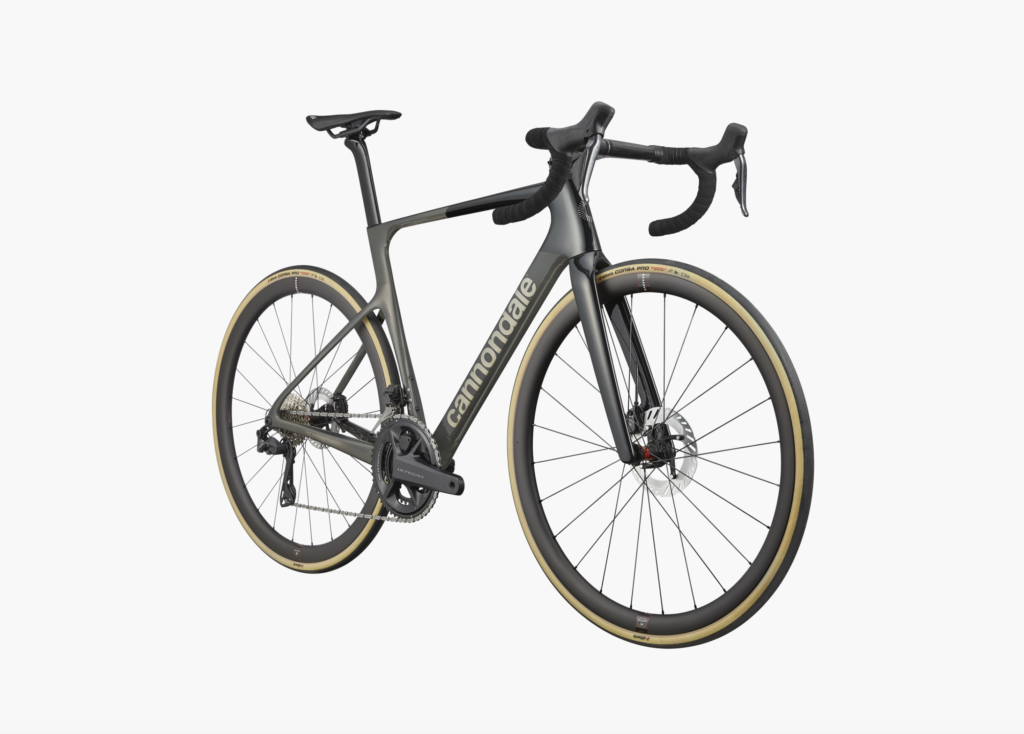
Specs Side by Side
| Spec | Trek Emonda SLR 7 | Cannondale SuperSix EVO Hi-MOD 2 |
|---|---|---|
| Frame | 800 Series OCLV carbon | Hi-MOD carbon |
| Philosophy | Aero-climbing integration | Pure climbing, handling precision |
| Geometry | Slightly more endurance-leaning | Traditional race, less aggressive |
| Frame weight (claimed) | ~638g | ~695g |
| Groupset (at price) | Shimano Ultegra Di2 | Shimano Ultegra Di2 |
| Dealer network | Yes | Yes |
| Price (at spec) | ~€5,000–6,000 | ~€4,500–5,500 |
The Handling Difference
The SuperSix EVO is frequently described as having the most precise, most directly communicative handling of any mainstream climbing bike. Its shorter reach and taller stack (relative to the Emonda at comparable sizes) produce a geometry that feels more upright and more agile in tight switchbacks and technical descents. For riders who prize that nervous, telepathic connection between bike and body in mountain riding, the SuperSix EVO is the bike that delivers it most completely.
The Emonda’s geometry is slightly more modern in its approach — marginally longer reach, marginally lower stack — bringing it closer to what WorldTour teams have standardised around in the current era. It is stable at higher descending speeds and predictable in crosswinds in a way that the shorter SuperSix EVO is not at its most agile. For climbing specialists who also descend aggressively and want a bike that rewards confidence at high speed, the Emonda’s geometry is more appropriate.
Weight
Trek claims the Emonda SLR frame at approximately 638g — making it one of the lightest production frames available from a major brand. The SuperSix EVO Hi-MOD at ~695g is competitive but not at the same weight ceiling. At equivalent complete bike specification, the Emonda builds lighter. For riders where every gram is a religious question, the Emonda’s weight advantage is real and measurable on long climbs.
Verdict
Choose the Trek Emonda SLR if: frame weight is the primary selection criterion; you want a climbing bike with modern aero integration that does not penalise you on flat and descending sections; your riding style is more stable and high-speed than agile and twitchy; or you are already in the Trek ecosystem and want consistent service from your dealer.
Choose the Cannondale SuperSix EVO if: handling precision and the feeling of direct connection to the road matter to you as much as weight; you prefer a more traditional climbing geometry with a higher stack; or the SuperSix EVO’s reputation for the most refined-feeling climb in the category aligns with what you are looking for. Try both if you can — the handling difference between these bikes is immediately perceptible and genuinely matters for some riders and not at all for others.
See the Trek Emonda range on the Trek official website, and the SuperSix EVO on the Cannondale official website.