Putting the Cannondale Topstone Carbon up against the Canyon Grail is an unusual match-up — and that is precisely what makes it interesting. These two bikes are not really competing for the same rider. One is a comfort-focused adventure platform built around the idea of suspension compliance. The other is a gravel race machine that has been ridden to world titles. Understanding where they overlap, and where they diverge dramatically, is what this comparison is about.
For context: before reading this comparison, you might want to check our detailed comparison between the Canyon Grail and the Canyon Grizl, where we break down how Canyon’s two gravel bikes differ from each other. The Grizl is the adventure-focused bike in Canyon’s lineup and a more natural competitor to the Topstone — but the Grail comes up repeatedly in those conversations, so it deserves a direct comparison here.
You can also find a full overview of Canyon’s brand philosophy, pricing model, and product range on our dedicated Canyon brand page.
What Each Bike Is Built For
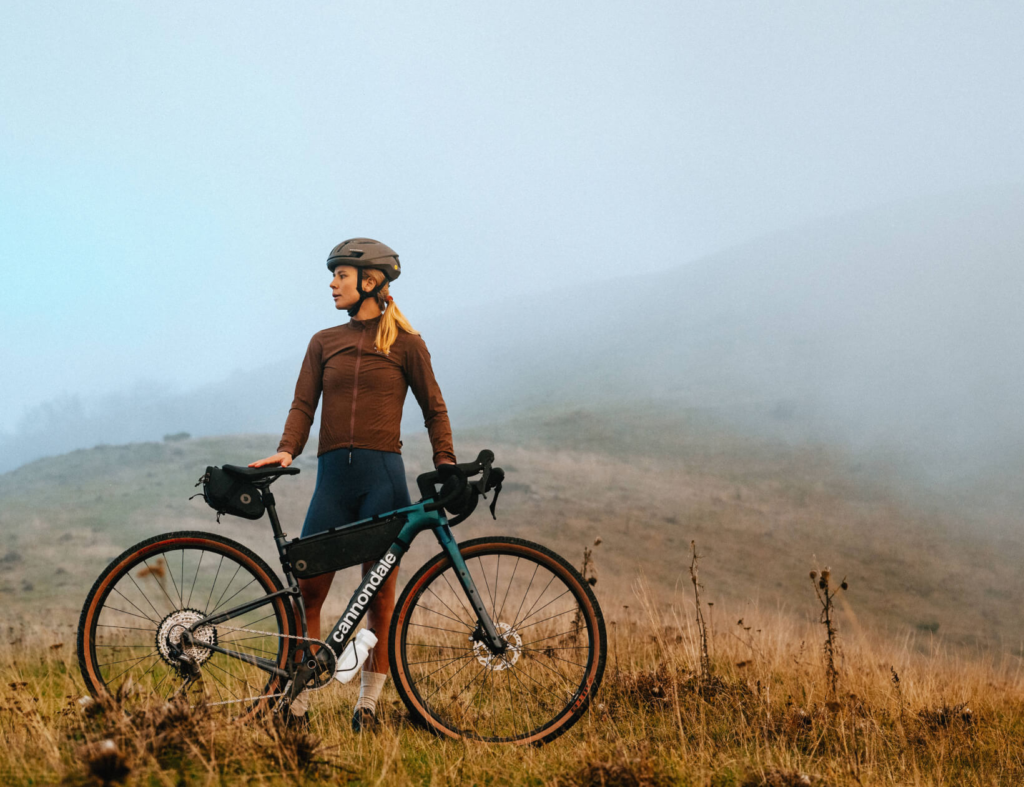
The Cannondale Topstone Carbon is Cannondale’s adventure-focused gravel bike. It exists to tackle rough terrain comfortably, carry gear when needed, and perform across a wide range of surfaces without asking the rider to compromise on either end. The 2025 generation added tire clearance, improved the geometry, and refined the suspension system. It is not a race bike.
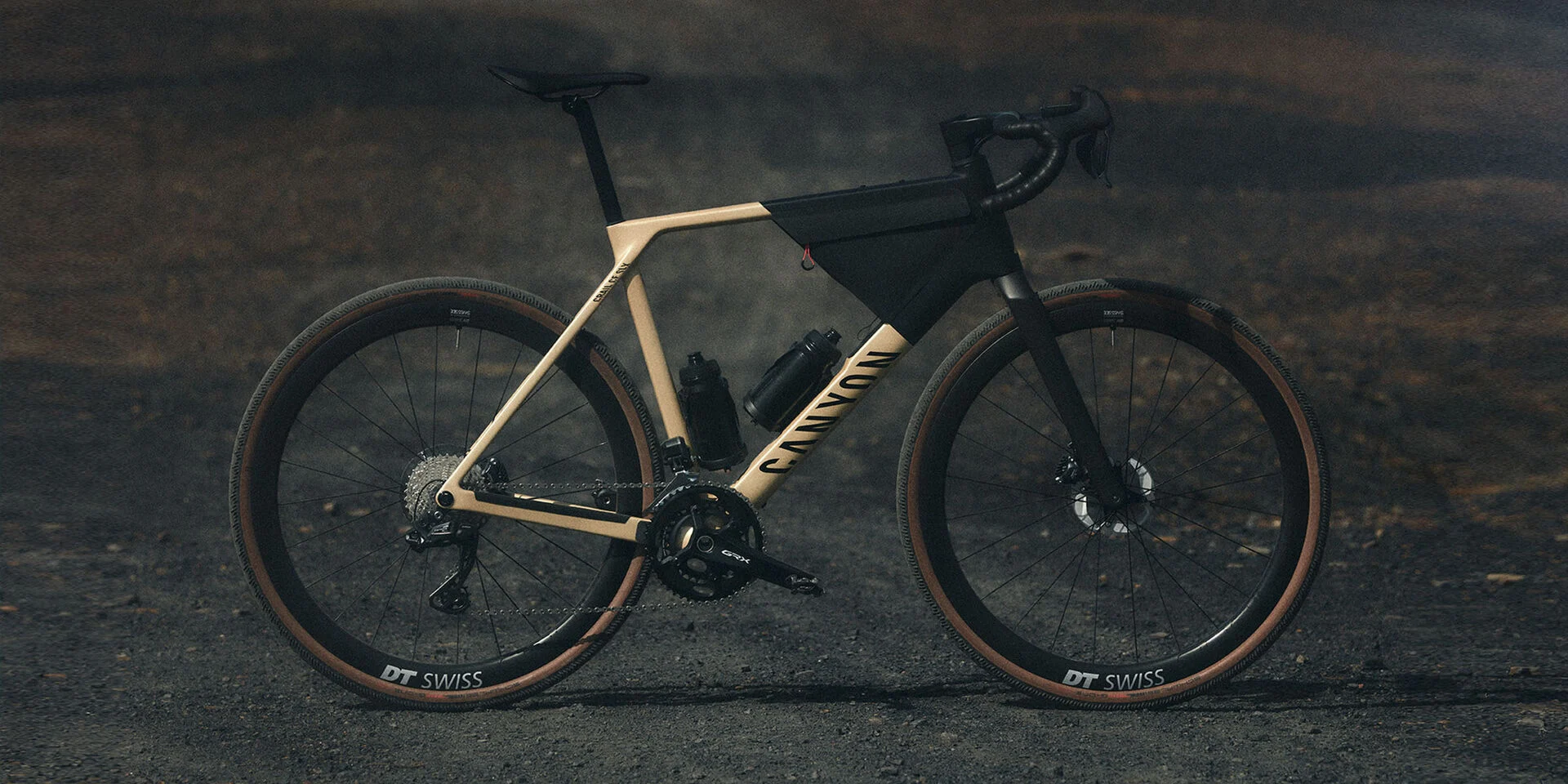
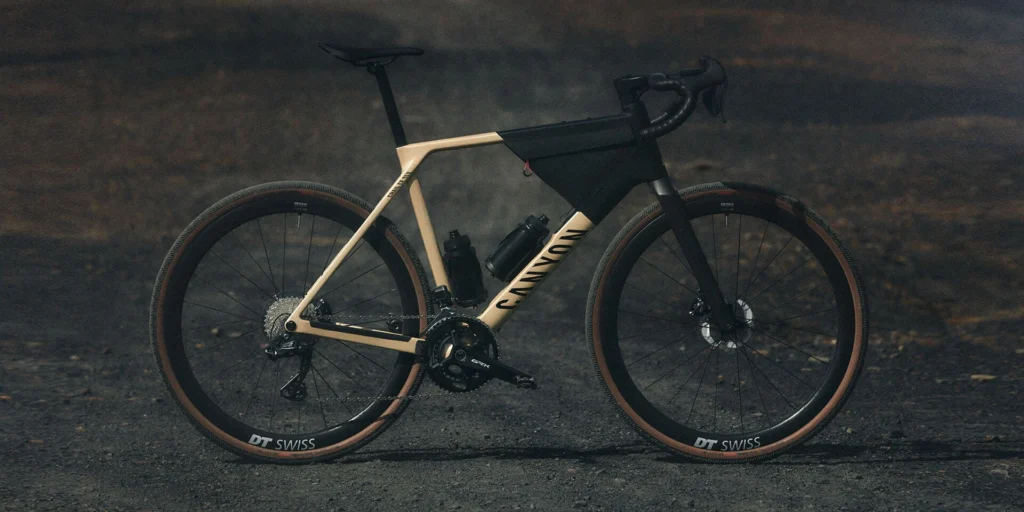
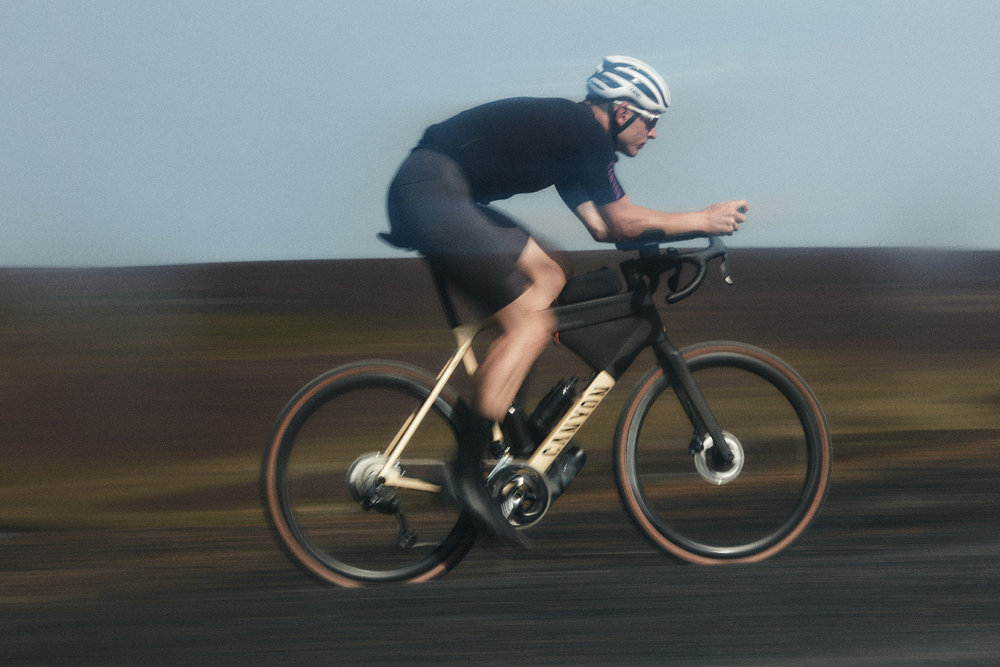
The Canyon Grail is Canyon’s gravel race machine. Following its major 2023 overhaul — which saw it lose the divisive Hoverbar cockpit, gain a more conventional design, and pivot decisively toward race performance — the Grail CF (and flagship CFR) is designed around speed, aerodynamics, and competition. Mathieu van der Poel won the UCI Gravel World Championships on a Grail CFR. This is a bike for going fast.
If you are shopping in the same price bracket and wondering which makes more sense for general adventure riding, this comparison will help you decide.
Frame and Construction
The Topstone Carbon uses Cannondale’s Proportional Response construction: a size-specific carbon layup that tailors stiffness and compliance to the rider’s weight and size. The frame includes the KingPin rear suspension system, StashPort internal storage, and full internal cable routing. It accepts a 27.2mm dropper post internally and uses a UDH rear derailleur hanger.
The Canyon Grail uses Canyon’s CF SL or CFR carbon (depending on build level). The CFR is the lightest and most refined, with claimed complete bike weights as low as 8kg at the top spec. The frame is built around aerodynamic tube shapes, an integrated Aero LOAD storage system in the downtube, and the brand’s new Double Drop Bar with integrated Gear Groove computer mount. The seatpost is Canyon’s D-shaped carbon post, which provides a degree of vertical compliance. A FidLock magnetic frame bag can also be fitted to the front triangle, which Canyon claims reduces drag by 1.5 watts.
Geometry: Adventure vs Race
The Topstone Carbon’s 2025 update steepened the seat tube to 73.1 degrees and lowered the bottom bracket significantly for a more planted, stable feel. Cannondale’s OutFront geometry uses a slack head tube angle paired with a 55mm fork rake, creating a longer front centre that is confident at speed without being slow to respond. The overall position is reasonably aggressive but accessible — not a road racer, but not a touring bike either.
The Grail’s geometry is shaped for racing. In size M, the head tube angle sits at 71.5 degrees, slacker than the previous generation by one degree, and the wheelbase was extended by 27mm for improved stability on rough gravel at race pace. The stack-to-reach ratio of 1.43 signals its performance orientation — a number more typical of a road endurance bike than a relaxed adventure platform. The riding position is sporty and direct, but not excessively aggressive. Reviewers consistently note that the Grail feels intuitive from the first ride despite its race intent.
Suspension and Compliance
This is the most fundamental difference between the two bikes. The Topstone Carbon (Lefty build) has actual suspension: 30mm Lefty Oliver fork and KingPin rear system (up to 30mm travel). It absorbs repeated small impacts on corrugated gravel in a way that passive compliance systems cannot fully replicate over long distances.
The Grail has no suspension. It uses a D-shaped carbon seatpost for minor vertical flex, a slightly longer wheelbase for stability, and wide tyres for compliance. Tyre clearance is 42mm maximum — enough for a race-day tyre, not enough for a loaded adventure setup. The Grail’s priority is speed and power transfer, not comfort absorption.
For a rider doing long adventure days on rough terrain, the Topstone Carbon is the more comfortable tool. For a rider who wants to go fast on mixed gravel surfaces for four to six hours and stay competitive, the Grail has the edge.
Tyre Clearance: A Significant Gap
The difference in tyre clearance between these two bikes tells the whole story of their design intent. The Topstone Carbon clears 52mm (frame, 1x setup) and 56mm on the Lefty fork. The Canyon Grail clears 42mm — the maximum is not a coincidence, it reflects exactly what Canyon considers the optimal balance between grip and rolling resistance for gravel racing, based on feedback from professional riders.
This gap matters enormously in practice. A 40mm Schwalbe G-One RS on the Grail rolls fast and grips well on packed gravel and fast dirt roads. A 45mm or 50mm tyre on the Topstone handles loose, rocky, or deeply rutted terrain in a completely different league. If your riding involves genuinely rough off-road sections, this clearance difference is decisive.
Storage, Bikepacking and Carrying Capacity
The Topstone Carbon is the clear winner here. Multiple cage mounts on frame and fork, rear rack mounts, StashPort internal storage, and full dropper post compatibility make it a credible bikepacking platform. The Grail, by contrast, is oriented around minimising drag: its storage system (the Aero LOAD setup) is designed primarily to reduce aerodynamic penalty while keeping essentials accessible, not to maximise carrying capacity. There are some mounting points, and the FidLock frame bag works well, but the Grail is not built for loaded multi-day rides.
If you are planning a bikepacking trip, the Canyon Grizl — not the Grail — is the right bike from Canyon’s range. We covered that comparison in depth in our Canyon Grail vs Grizl article.
Speed and Road Performance
Here, the Canyon Grail has the advantage. Its lightweight aero carbon frame (as low as 1,030g on the CF version), narrow tyre clearance focused on fast-rolling rubber, aggressive geometry, and integrated aerodynamic details are all oriented around going faster. The Grail CFR top builds are among the lightest and most aerodynamic gravel bikes in production. The Topstone Carbon, even in rigid-fork builds, carries more weight and more mechanical complexity.
On a fast 100km gravel ride on well-packed surfaces, the Grail will likely be the quicker machine for most riders. The Topstone will be more comfortable if the terrain is rough, but on smooth gravel roads the Grail’s efficiency advantage is real.
Comparison Table
| Feature | Cannondale Topstone Carbon | Canyon Grail CF / CFR |
|---|---|---|
| Frame material | Full carbon (Proportional Response) | CF SL or CFR carbon |
| Rear suspension | KingPin (up to 30mm travel) | None (D-shaped carbon seatpost) |
| Fork | Lefty Oliver 30mm / rigid carbon | Rigid carbon |
| Tyre clearance | 52mm frame (1x) / 56mm fork | 42mm maximum |
| Wheel size | 700c | 700c |
| Frame weight (CFR) | Not published | ~1,030g (CF SL) |
| Complete bike weight | ~9-10kg (Lefty builds) | From 8kg (top spec CFR) |
| Storage system | StashPort downtube + multiple mounts | Aero LOAD system + FidLock bag |
| Rack mounts | Yes | No |
| Design focus | Adventure and all-terrain | Gravel racing and performance |
| Retail channel | Dealer network | Direct-to-consumer |
Cannondale Topstone Carbon: Pros and Cons in This Context
What it does well: Real suspension compliance on rough terrain. Up to 52mm tyre clearance for genuine off-road capability. Adventure-ready with rack mounts, dropper post support, and multiple carrying options. Dynamic OutFront geometry that works on both road and rough terrain. Dealer-supported with strong service network.
Where it falls short: Heavier than the Grail across all builds, especially with the Lefty fork. Less efficient on smooth, fast surfaces where the suspension and wider tyres become unnecessary baggage. The Lefty fork is proprietary and limits your servicing options. Not the right tool if speed is your primary measure of success.
Canyon Grail CF / CFR: Pros and Cons in This Context
What it does well: Genuinely fast and efficient on packed gravel and fast mixed surfaces. Among the lightest gravel bikes in production at the top CFR level. Aerodynamic design with smart integrated storage. Intuitive handling that rewards confident riding despite its race geometry. Direct-to-consumer pricing delivers competitive value at the mid-range CF SL builds.
Where it falls short: 42mm maximum tyre clearance limits capability on rough and loose terrain. No rack mounts makes it a poor bikepacking platform. The D-shaped seatpost clamp has attracted criticism in some builds — Canyon has addressed this but it is worth noting. Buying directly online means no local dealer for test rides or in-person service. The proprietary Double Drop Bar and some cockpit elements limit aftermarket options.
Who Should Buy Which?
Choose the Cannondale Topstone Carbon if you ride on varied, rough terrain and want a bike that handles everything from smooth roads to rocky tracks without needing to be swapped out. The suspension compliance is a genuine advantage on corrugated gravel, and the adventure-ready spec makes it a more complete all-rounder for real-world riding.
Choose the Canyon Grail if you are primarily motivated by performance on gravel events, sportives, and fast mixed-surface rides. If speed, weight, and aerodynamics matter more to you than carrying capacity and rough-terrain compliance, the Grail is a more focused, better-optimised tool for that purpose. Just be clear about what you are giving up in return: tyre clearance, load-carrying ability, and dealer access.
Our Cannondale brand page covers the full Topstone range and how it sits alongside the SuperX in Cannondale’s gravel lineup. And our best gravel bike brands guide for 2026 puts both brands in the broader market context.
FAQ
Is the Canyon Grail a good bike for beginners?
The Grail is not the most natural choice for beginners. Its race-focused geometry and narrow tyre clearance are most rewarding for riders who already have a clear idea of the type of riding they want to do. The CF SL 7 entry-level builds are affordable and do not feel aggressive, but new riders would generally be better served by the more forgiving Grizl or a bike like the Checkpoint. That said, reviewers consistently note that the Grail handles intuitively — it is not intimidating to ride.
Can you use the Canyon Grail for bikepacking?
In theory, yes. In practice, the 42mm tyre clearance, absence of rack mounts, and aerodynamic-first storage system make it a compromised bikepacking platform. Canyon’s Grizl is the better choice for multi-day loaded riding within the Canyon range. We compared both in detail in our Canyon Grail vs Grizl comparison.
How does the Cannondale Topstone’s KingPin suspension compare to the Trek IsoSpeed?
KingPin is an active rear suspension system: the rear triangle physically moves, delivering up to 30mm of travel. IsoSpeed is a passive compliance system: the seat tube and top tube junction flex independently, absorbing vibrations through material movement rather than mechanical travel. KingPin provides more cushioning on rough terrain; IsoSpeed provides a subtler but more efficient compliance on mixed surfaces.
Is the Canyon Grail worth the price?
At the CF SL 7 level (entry carbon, around 2,699 euros), the Grail offers a strong spec for the money by direct-to-consumer standards. At the CFR level (flagship carbon, from around 6,499 euros and above), it competes with the very best gravel race bikes in the world — and delivers on that promise, as demonstrated by its race results. The mid-tier CF SLX builds are arguably the sweet spot, offering most of the performance at a more accessible price.
Does Canyon sell through bike shops?
Canyon sells primarily through its own website, direct to consumer. This keeps prices competitive but means there is no local dealer for test rides or in-person service. Canyon has formed some select retail partnerships (such as with REI in the United States), but these are exceptions rather than the rule. Full details on our Canyon brand page.
What tyres does the Canyon Grail use?
Most Canyon Grail builds are specced with Schwalbe G-One RS tyres in 700x40mm — a fast-rolling, lightly-treaded gravel tyre optimised for packed surfaces and mixed terrain at speed. The frame clears 42mm maximum, so there is not much room to go wider. For riders who want more grip or comfort, the G-One R (front) plus G-One RS (rear) is a common upgrade pairing.