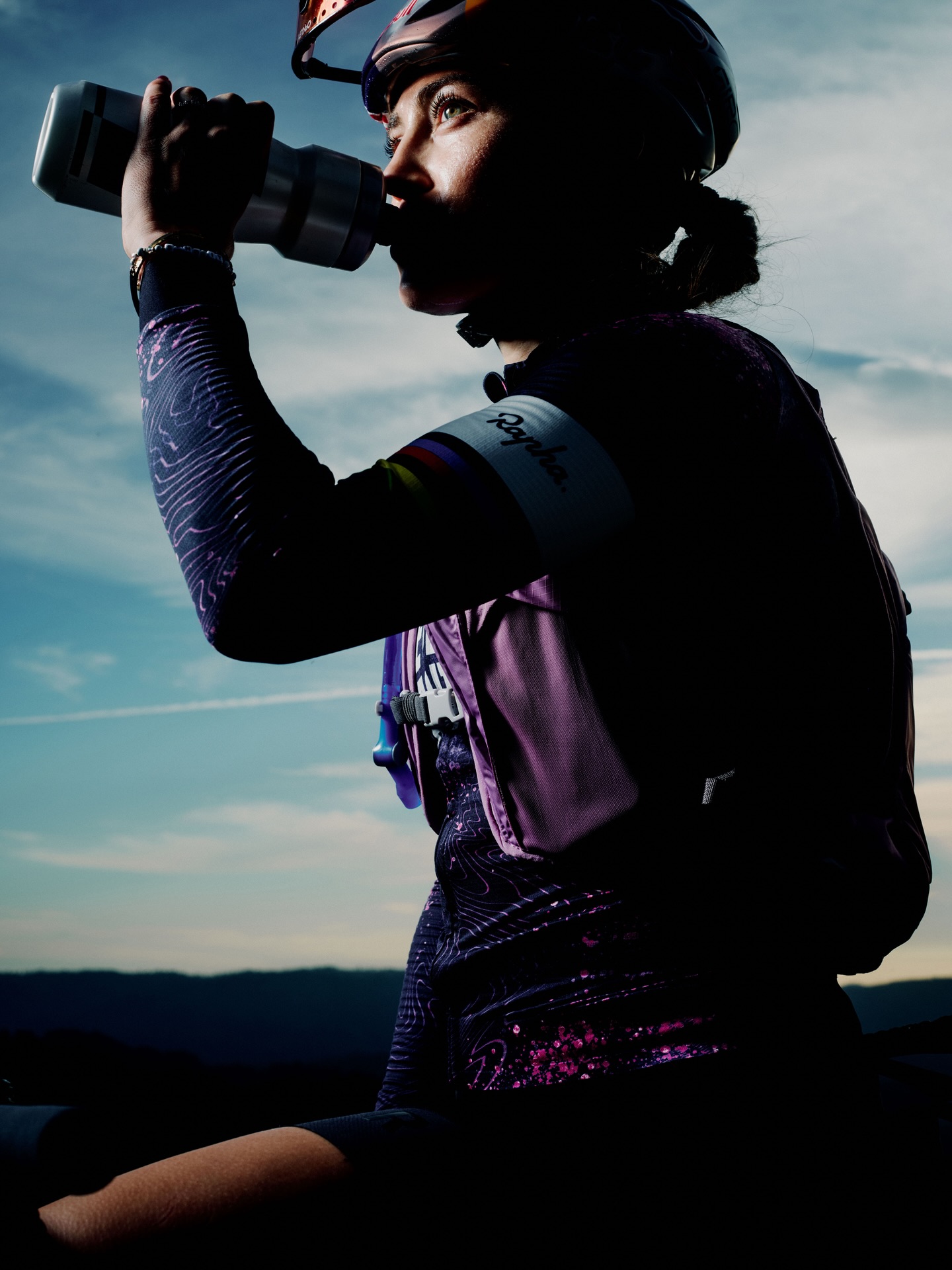
Ask ten gravel riders whether they run bottles or a hydration pack and you will get ten confident, contradictory answers. That is not because one camp is wrong. It is because the « right » setup for a two-hour loop with three water stops has almost nothing in common with the right setup for a six-hour self-supported gravel race through terrain with no services at all. The question worth asking is not which system is better, but which one matches the ride you are actually doing.
This guide breaks down what actually changes between bottles and hydration packs on a gravel bike, where each one falls apart, and how experienced gravel riders — from weekend loop riders to Unbound finishers — end up building their own hybrid setups.
What Actually Changes Between Bottles and a Pack
Three things shift when you move water from your frame to your back: where the weight sits, how easily you can drink it, and how hot you get.
Bottles keep weight low and centred on the bike, which keeps the handling predictable through corners and descents. A hydration pack puts 1.5 to 3 litres on your shoulders instead, which changes the bike’s balance less than people expect, but changes your own comfort a lot over several hours.
Drinking access is the second variable, and it is a bigger deal on gravel than on road. A hose and bite valve let you sip constantly without taking a hand off the bar, which matters when you are riding washboard gravel, loose descents, or sitting in a fast-moving group where reaching for a down-tube bottle is a genuine handling risk. Riders on gravel forums consistently report drinking more, and more consistently, once they switch to a hose — not because they are more disciplined, but because the friction of drinking has basically disappeared.
Heat is the trade-off nobody gets around. Covering part of your back reduces the surface area available for sweat to evaporate, and on a hot ride that shows up in perceived effort and core temperature. Bottles leave your back fully exposed and let you dump water over your head at a feed stop, something no bladder setup replicates.
Short, Supported Rides: Bottles Are Still the Right Call
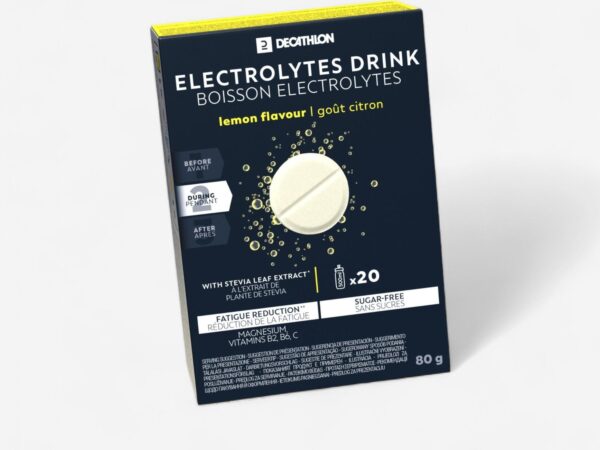
For rides under two to three hours with regular access to water — a local loop, a group ride with a coffee stop, most road-adjacent gravel routes — bottles remain the simpler and objectively better choice. They are lighter on your body, cheaper, faster to clean, and let you run two different mixes at once: plain water in one cage, a carbohydrate or electrolyte mix in the other. A hydration pack for this kind of ride is not really solving a problem you have.
The maths riders use informally is fairly consistent across gravel forums: roughly one bottle per hour of moderate effort, closer to 500-750 ml per hour on trail-style efforts, more in the heat. If your ride fits comfortably inside what two bottles can cover between refills, that settles the question.
Where Cages Actually Fail: Rough Terrain
This is the point that gets underweighted in most bottles-vs-pack debates, and it is specific to gravel and mixed-terrain riding rather than road. On washboard gravel or anything genuinely chunky, even well-fitted cages eject bottles. Riders describe entire descents littered with dropped bottles during races — one Bike Forums rider described the aftermath of a washed-out downhill section as looking like « a water bottle graveyard, » and finished the rest of a century on a single bottle as a result.
The fix is not necessarily a hydration pack — a stronger cage system, such as a reinforced third-mount setup like Wolf Tooth’s B-RAD system, solves the ejection problem while keeping weight on the bike. But it is worth knowing this is a real failure mode before you build a bottles-only plan around a technical route, not a hypothetical one.
Long, Remote, or Race-Day Efforts: Where a Pack Earns Its Weight
Once a ride stretches past three or four hours, or moves into terrain with genuinely long gaps between water sources, the calculus flips. Two bottles cap out around 1 to 1.5 litres. A compact hydration pack starts around 1.5 to 2 litres and climbs from there, which removes the « what if I miss the next aid station » problem entirely — a real concern in gravel races where feed zones can be crowded, poorly stocked, or simply skipped by a group riding hard.
Elite gravel racers lean on packs for exactly this reason. Riders who have finished at the front of races like Unbound and the Belgian Waffle Ride describe hydration packs as a way to control their own nutrition rather than depend on aid-station timing, and to avoid losing time reaching for bottles in a fast-moving group. The safety angle matters too on genuinely remote routes: a pack that also carries a phone, a spare layer, and repair essentials is a reasonable hedge against being stuck somewhere with no support.
For riders coming from trail running, the underlying logic will be familiar — our guide to choosing a trail running hydration pack covers harness stability and bladder capacity in more depth, and most of it carries over directly to gravel.
The Aerodynamics Question
It sounds counterintuitive, but a pack is not automatically the slower option. Wind-tunnel testing on low-profile vest-style packs has found small aerodynamic gains rather than losses in some cases — Silca’s testing put certain low-profile packs at 1.3 to 3 watts saved by smoothing airflow off the rider’s back, and separate testing referenced by gravel racers on cycling forums reported similar findings. It is not the reason to choose a pack, and the gains are small enough that they should not override comfort or heat concerns, but it does rule out one common objection.
Heat Is the Real Constraint, Not a Deal-Breaker
The most consistent complaint about hydration packs, across every source we looked at, is heat. Covered back, damp straps, and a general sense of running warmer than a bottles-only setup. This is real and worth taking seriously if you ride in genuinely hot conditions — several riders on cycling forums switch back to bottles specifically for summer racing and reserve the pack for cooler months or longer, more remote events.
Pack design matters more here than people assume. Vest-style packs with wide mesh panels and minimal back coverage run noticeably cooler than older-style backpack designs. If heat is your main hesitation, that is the feature to prioritise over capacity.
One claim worth flagging rather than repeating as fact: a recurring anecdote on cycling forums suggests hydration packs contribute to DNFs on ultra-long rides. It shows up as a secondhand story rather than anything measured, and it was directly disputed by other riders in the same discussion, including finishers of thousand-mile-plus gravel races wearing packs. Treat it as forum folklore, not a real risk factor.
The Hybrid Setup Most Serious Gravel Riders End Up With
Almost nobody who rides long gravel events full-time sticks to a pure bottles-only or pack-only setup. The most common pattern that comes up again and again, from casual riders to professional gravel racers: plain water in the pack, carbohydrate or electrolyte mix in one or two bottles on the bike. This keeps sugar out of the bladder and hose — which matters for cleaning — while giving hands-free access to plain hydration on rough terrain.
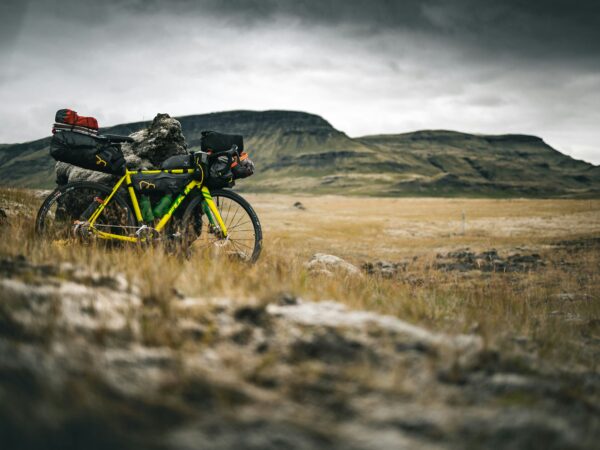
Bikepackers frequently take this a step further and move the bladder off their back entirely, running a soft reservoir inside a frame bag instead. It keeps the weight low and centred like a bottle setup while still allowing hose-based drinking, and frees up back comfort for long days. A 2-3 litre bladder like those from HydraPak — the company behind many major hydration brands’ reservoirs, including CamelBak’s — fits this role well.
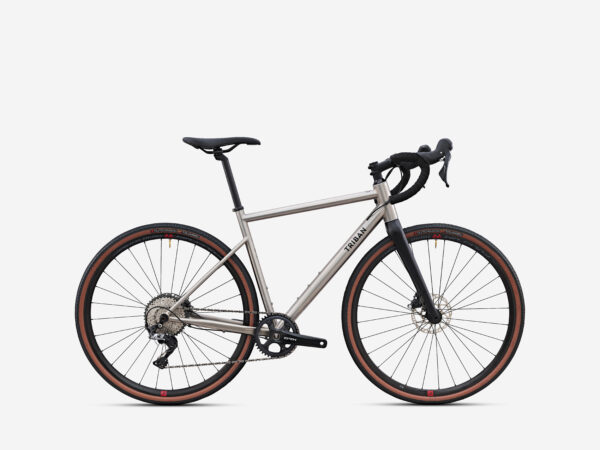
For gravel bikes with limited bottle-cage clearance, particularly smaller frames or bikes built for wider tyres, a hybrid setup is sometimes less a preference than a necessity. Worth checking your specific frame’s mount count before assuming two full-size bottles will fit comfortably — some gravel platforms, like the Canyon Grizl, ship with three mounts in the main triangle specifically to give loaded riders more options.
How to Choose Based on Your Ride
Use this as a starting point rather than a rulebook — your own sweat rate, frame clearance, and tolerance for a warm back all shift the answer.
| Ride profile | Recommended setup | Why |
|---|---|---|
| Under 2-3h, regular water access, smooth-ish gravel | Two bottles | Lighter, cooler, cheaper — a pack solves nothing here |
| Technical, rough gravel with no aid stations | Bottles + reinforced cage, or small pack | Ejection risk is the real issue, not just capacity |
| 3-6h with reliable aid stations | Hybrid: pack for water, bottles for fuel | Removes aid-station dependency without overheating |
| Remote, self-supported, or 6h+ | Hydration pack (2-3L) + bottles | Capacity and safety margin outweigh the heat trade-off |
| Hot-weather racing | Bottles, or vest-style low-coverage pack | Back coverage becomes the limiting factor before capacity does |
Our Take
There is no universally correct gravel hydration setup, and anyone selling you one is skipping the part where terrain, distance, and weather all pull in different directions. Bottles are the right default for most rides most riders do. A hydration pack stops being optional once your ride gets long, remote, or technical enough that missing a refill or ejecting a bottle becomes a real problem rather than an inconvenience. And once you are riding long enough to need both systems’ strengths, the hybrid approach — water on your back, fuel on the bike — is not a compromise, it is what most people who ride gravel seriously actually land on.
If capacity and stability are your priority for longer efforts, brands like USWE built their reputation specifically on no-bounce harness systems for exactly this kind of riding, and they come up constantly in gravel racer feedback for good reason.
FAQ
Do I need a hydration pack for gravel riding?
Not for most rides. If your route is under two to three hours with reasonable access to water, two bottles are lighter, cooler, and simpler. A pack starts to make sense once rides get longer, terrain gets rough enough to eject bottles, or aid stations become unreliable.
How much water should I carry on a long gravel ride?
A common target among gravel riders is roughly 500-750 ml per hour, rising toward 1 litre per hour in hot conditions. For multi-hour efforts, that usually means combining bottle and pack capacity rather than relying on either alone.
Do hydration packs make you overheat on the bike?
Covering part of your back does reduce evaporative cooling compared with bottles, and this is the most consistently reported downside of packs. Vest-style designs with more mesh and less back coverage reduce the effect but do not eliminate it entirely.
What should go in the pack versus the bottles?
The setup most experienced gravel riders converge on is plain water in the pack and carbohydrate or electrolyte mix in the bottles. It keeps sticky mix out of the bladder and hose, which makes cleaning significantly easier after the ride.